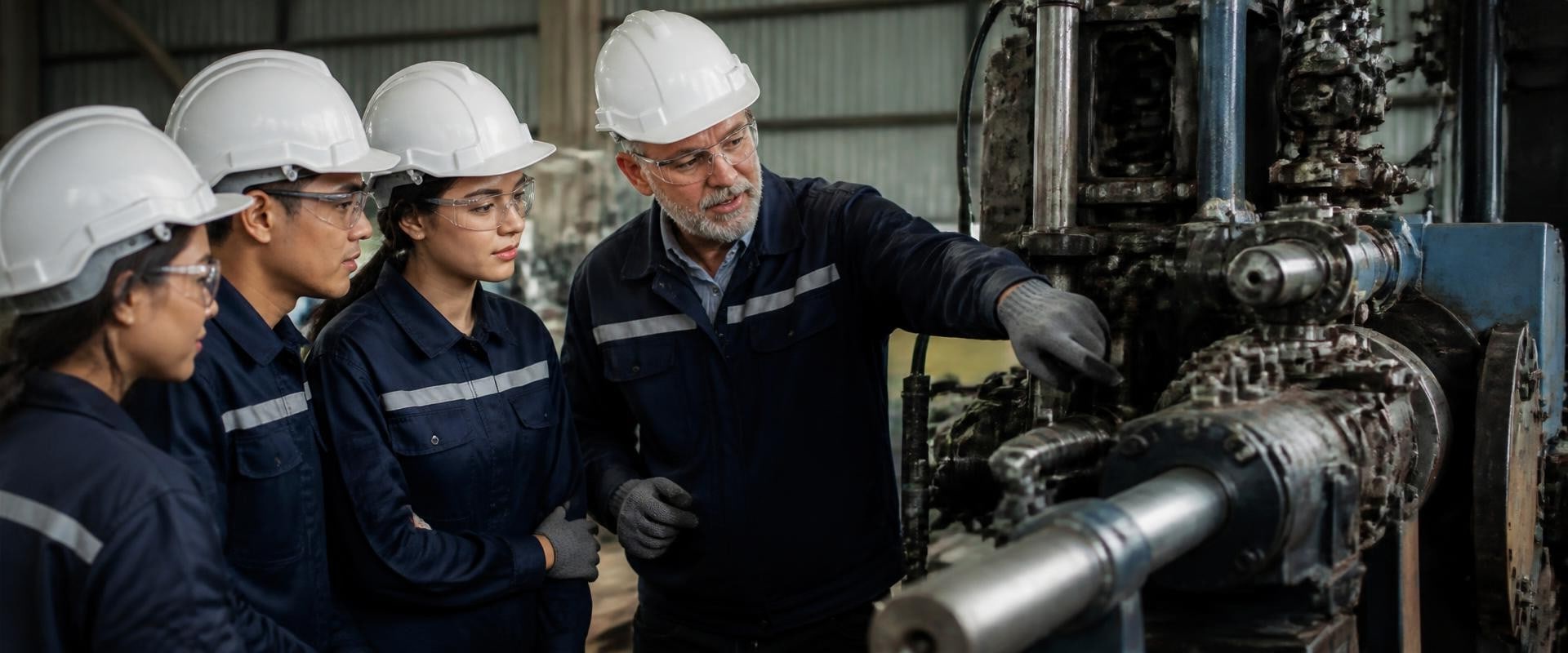
In the realm of industrial machinery services, the significance of training cannot be overstated. As industries evolve and technology advances, the machinery used in various sectors becomes increasingly complex. This complexity necessitates a workforce that is not only skilled but also well-versed in the latest operational protocols and safety measures. Effective training programs are essential for ensuring that employees can operate machinery efficiently, maintain equipment properly, and respond adeptly to any issues that may arise. Moreover, the role of training extends beyond mere operational knowledge; it encompasses a comprehensive understanding of machinery maintenance.
Regular maintenance is crucial for prolonging the lifespan of industrial equipment and minimizing downtime. Trained personnel are equipped with the skills to perform routine checks, identify potential problems before they escalate, and implement corrective measures swiftly. This proactive approach not only enhances productivity but also significantly reduces operational costs associated with unexpected machinery failures. As we delve deeper into the topic, it becomes clear that investing in training is not just a regulatory requirement but a strategic imperative for businesses aiming to thrive in a competitive landscape. The interplay between effective training and optimal machinery performance lays the foundation for a safe and efficient working environment, ultimately driving success in industrial machinery services.
The Importance of Training in Industrial Machinery Services
In the realm of industrial machinery services, training plays a pivotal role in ensuring that both personnel and equipment operate at peak efficiency.The complexity of modern machinery necessitates a workforce that is not only skilled but also knowledgeable about the latest technologies and safety protocols.
Importance of Training
- Enhanced Skill Development: Regular training programs equip employees with the necessary skills to handle sophisticated machinery, reducing the likelihood of errors that can lead to costly downtime.
- Safety Compliance: Proper training ensures that workers are aware of safety regulations and best practices, significantly lowering the risk of accidents and injuries in the workplace.
- Adaptability to New Technologies: As industrial machinery evolves, ongoing training helps technicians stay updated on new tools and techniques, fostering a culture of continuous improvement.
Benefits of Training
- Increased Efficiency: Well-trained employees can operate machinery more effectively, leading to higher productivity levels and reduced operational costs.
- Improved Service Quality: Knowledgeable technicians are better equipped to diagnose issues quickly and accurately, enhancing the overall quality of service provided to clients.
- Employee Retention: Investing in training demonstrates a commitment to employee development, which can lead to higher job satisfaction and lower turnover rates.
Types of Training for Industrial Machinery Services
In the realm of industrial machinery services, effective training is crucial for ensuring that personnel are equipped with the necessary skills and knowledge to operate, maintain, and troubleshoot complex machinery. Various types of training programs are available, each tailored to meet specific needs within the industry.- Technical Training: This type of training focuses on imparting specialized knowledge related to the operation and maintenance of industrial machinery.
It covers topics such as:
- Understanding machine components and their functions
- Operating procedures for different types of machinery
- Troubleshooting techniques for common mechanical issues
- Software training for automated systems and controls
- Safety Training: Safety is paramount in industrial settings, making safety training an essential component of any industrial machinery services program. This training includes:
- Proper use of personal protective equipment (PPE)
- Emergency response procedures
- Hazard identification and risk assessment
- Safe lifting techniques and ergonomics
- Hands-On Training: Practical experience is invaluable in the field of industrial machinery services. Hands-on training allows employees to:
- Practice operating machinery under supervision
- Engage in real-world troubleshooting scenarios
- Gain confidence in their skills before working independently
- Continuous Education: The industrial sector is constantly evolving, necessitating ongoing education. Continuous training programs help employees stay updated on:
- The latest technologies and machinery advancements
- Regulatory changes affecting safety standards
- Best practices in maintenance and operations
Key Components of Effective Training Programs
Effective training programs for industrial machinery services are crucial for ensuring that technicians and operators are well-equipped to handle complex machinery.These programs should encompass several key components that facilitate both theoretical understanding and practical application.
- Theoretical Knowledge: A solid foundation in the principles of machinery operation, maintenance, and safety protocols is essential. This includes understanding the mechanics of various machines, the technology involved, and the potential hazards associated with their operation.
- Hands-On Experience: Practical training is vital. Participants should engage in real-world scenarios where they can operate machinery under supervision. This hands-on experience helps reinforce theoretical concepts and builds confidence in handling equipment.
- Assessment and Feedback: Regular assessments should be integrated into the training program to evaluate participants' understanding and skills.
Constructive feedback allows trainees to identify areas for improvement and enhances their learning experience.
- Continuous Learning: The field of industrial machinery services is constantly evolving with new technologies and methodologies. Effective training programs should encourage ongoing education through workshops, seminars, and online courses to keep technicians updated on industry advancements.
- Safety Training: Given the risks associated with operating heavy machinery, safety training must be a core component. This includes emergency response procedures, proper use of personal protective equipment (PPE), and adherence to safety regulations.
Challenges in Training for Industrial Machinery Services
Training for industrial machinery services is essential for ensuring that technicians are equipped with the necessary skills and knowledge to operate and maintain complex machinery.However, several challenges can hinder the effectiveness of these training programs.
Common Barriers to Effective Training
- Lack of Resources: Many organizations struggle with limited budgets, which can restrict access to quality training materials and experienced instructors.
- Rapid Technological Changes: The fast-paced evolution of technology in industrial machinery means that training programs can quickly become outdated, making it difficult for employees to keep their skills current.
- Diverse Learning Styles: Employees often have varying learning preferences, and a one-size-fits-all approach to training may not effectively engage all participants.
- Time Constraints: With busy production schedules, finding time for comprehensive training can be challenging, leading to rushed or incomplete learning experiences.
Solutions to Training Issues
To address these challenges, organizations can implement several strategies:- Invest in E-Learning: Utilizing online training platforms allows employees to learn at their own pace and access updated materials as needed.
- Regularly Update Training Content: Establishing a routine for reviewing and revising training programs ensures that they remain relevant in light of technological advancements.
- Diverse Training Methods: Incorporating various teaching methods—such as hands-on workshops, simulations, and interactive modules—can cater to different learning styles and enhance engagement.
- Flexible Scheduling: Offering training sessions during off-peak hours or integrating short modules into regular work shifts can help accommodate busy schedules.
The Role of Technology in Training for Industrial Machinery Services
In the rapidly evolving field of industrial machinery services, the integration of technology into training programs is revolutionizing how technicians acquire the necessary skills and knowledge. Traditional training methods, often reliant on hands-on experience and classroom instruction, are being supplemented—and in some cases replaced—by innovative technological solutions.E-Learning Platforms
E-learning platforms have emerged as a vital tool in the training arsenal for industrial machinery services. These platforms offer flexible, on-demand access to a wealth of resources, including video tutorials, interactive modules, and comprehensive assessments. Technicians can learn at their own pace, revisiting complex topics as needed.This flexibility not only enhances retention but also allows for a more personalized learning experience.
Virtual Reality Training
Another groundbreaking advancement is the use of virtual reality (VR) in training programs. VR simulations provide an immersive environment where technicians can practice operating machinery without the risks associated with real-world scenarios. This hands-on experience is invaluable, allowing trainees to troubleshoot issues and familiarize themselves with equipment in a safe setting. The realism of VR training can significantly reduce the learning curve and improve confidence when working with actual machinery.Benefits of Technology-Enhanced Training
- Cost-Effectiveness: Reduces the need for physical materials and travel expenses associated with traditional training.
- Scalability: Easily accommodates a growing workforce by allowing multiple users to access training simultaneously.
- Consistency: Ensures that all trainees receive the same high-quality instruction, regardless of location.
- Real-Time Feedback: Many e-learning platforms offer instant assessments, enabling trainees to identify areas for improvement immediately.
As these technologies continue to evolve, they will undoubtedly play an even more critical role in shaping the future of training in this essential field.
Measuring the Effectiveness of Training Programs
Measuring the effectiveness of training programs in industrial machinery services is crucial for ensuring that employees are equipped with the necessary skills and knowledge to operate and maintain complex machinery efficiently. Various methods can be employed to evaluate training effectiveness, each providing unique insights into the training process.Training Evaluation Methods
- Pre- and Post-Training Assessments: Conducting assessments before and after training sessions helps gauge knowledge retention and skill acquisition. This method allows organizations to quantify improvements in employee performance.
- Feedback Surveys: Collecting feedback from participants through surveys can provide qualitative data on the training experience. Questions can focus on content relevance, instructor effectiveness, and overall satisfaction.
- On-the-Job Performance Metrics: Monitoring employees' performance in real-world scenarios post-training can reveal how effectively they apply what they learned.
Key performance indicators (KPIs) such as productivity rates and error reduction can be tracked.
- Peer Reviews: Involving colleagues in the evaluation process can offer additional perspectives on an employee's performance and integration of new skills into their daily tasks.
Calculating ROI on Training
Determining the return on investment (ROI) for training programs is essential for justifying expenditures in industrial machinery services. To calculate ROI, organizations can follow these steps:- Identify Training Costs: Include all expenses related to the training program, such as materials, instructor fees, and employee time spent in training.
- Measure Performance Improvements: Use the aforementioned evaluation methods to quantify improvements in productivity, efficiency, or safety.
- Calculate Financial Benefits: Translate performance improvements into financial terms. For example, reduced downtime or increased output can be quantified as cost savings or additional revenue.
- Calculate ROI: Use the formula: ROI = (Net Benefits / Total Costs) x 100. This will provide a percentage that reflects the financial return on the training investment.
Case Studies: Successful Training Implementations in Industrial Machinery Services
Training plays a pivotal role in enhancing the efficiency and safety of industrial machinery services.Several companies have successfully implemented training programs that not only improved operational performance but also reduced downtime and maintenance costs. Here are a few notable case studies:
Case Study 1: XYZ Manufacturing
XYZ Manufacturing, a leader in automotive parts production, faced frequent machinery breakdowns due to operator errors. To address this, they launched a comprehensive training program focusing on:- Hands-on equipment operation
- Preventive maintenance techniques
- Safety protocols
Case Study 2: ABC Heavy Equipment Services
ABC Heavy Equipment Services recognized the need for specialized training for their technicians to keep up with evolving technology. They partnered with a local technical college to develop a tailored curriculum that included:- Advanced diagnostics
- New software applications for machinery
- Industry best practices
Case Study 3: DEF Construction Equipment
DEF Construction Equipment implemented an online training platform for their field technicians.This platform provided:
- Access to updated training materials
- Interactive simulations of machinery operations
- Regular assessments to track progress
Future Trends in Training for Industrial Machinery Services
As industries continue to evolve, the training landscape for industrial machinery services is undergoing significant transformation. Emerging technologies and changing industry needs are shaping the future of training programs, ensuring that technicians are equipped with the skills necessary to operate and maintain advanced machinery.Integration of Virtual Reality (VR) and Augmented Reality (AR)
One of the most promising trends is the integration of Virtual Reality (VR) and Augmented Reality (AR) into training modules. These technologies provide immersive learning experiences that allow trainees to interact with machinery in a simulated environment.This hands-on approach not only enhances understanding but also reduces the risk associated with on-the-job training.
Emphasis on Continuous Learning
The rapid pace of technological advancement necessitates a shift towards continuous learning. As new machinery and software are introduced, ongoing training will become essential. Companies are increasingly adopting microlearning techniques, where short, focused training sessions are delivered regularly to keep employees updated on the latest technologies and practices.Data-Driven Training Approaches
The use of data analytics is another trend shaping the future of training in industrial machinery services. By analyzing performance metrics and identifying skill gaps, organizations can tailor their training programs to meet specific needs.This data-driven approach ensures that training is relevant and effective, ultimately leading to improved operational efficiency.
Collaboration with Educational Institutions
Partnerships between industry leaders and educational institutions are becoming more common. These collaborations aim to develop curricula that align with current industry standards and future demands. By working together, companies can ensure that new entrants into the workforce are adequately prepared for the challenges they will face in industrial machinery services.In conclusion, as we look towards the future, it is clear that training in industrial machinery services will need to adapt to keep pace with technological advancements and evolving industry requirements. Embracing innovative training methods will be crucial for organizations aiming to maintain a competitive edge in this dynamic field.Conclusion: The Critical Role of Training in Industrial Machinery Services
In conclusion, the role of training in industrial machinery services cannot be overstated.As we have explored throughout this article, effective training programs are essential for ensuring that technicians and operators possess the necessary skills and knowledge to handle complex machinery safely and efficiently. One of the primary benefits of ongoing training is the enhancement of safety standards. Well-trained personnel are less likely to make errors that could lead to accidents or equipment failures. This not only protects the workforce but also minimizes downtime and costly repairs, ultimately contributing to a more productive work environment. Moreover, continuous education in industrial machinery services keeps employees updated on the latest technologies and best practices. As machinery evolves, so too must the skills of those who operate and maintain it.
Regular training sessions can help bridge the gap between outdated practices and modern techniques, ensuring that companies remain competitive in a rapidly changing industry. Additionally, investing in training fosters a culture of excellence within organizations. Employees who feel supported in their professional development are more likely to be engaged and motivated, leading to higher job satisfaction and retention rates. This not only benefits the individual but also enhances overall team performance. In summary, prioritizing training in industrial machinery services is crucial for maintaining high operational standards, ensuring safety, and promoting employee satisfaction. Companies that recognize and act on this need will undoubtedly see long-term benefits in efficiency, safety, and profitability.