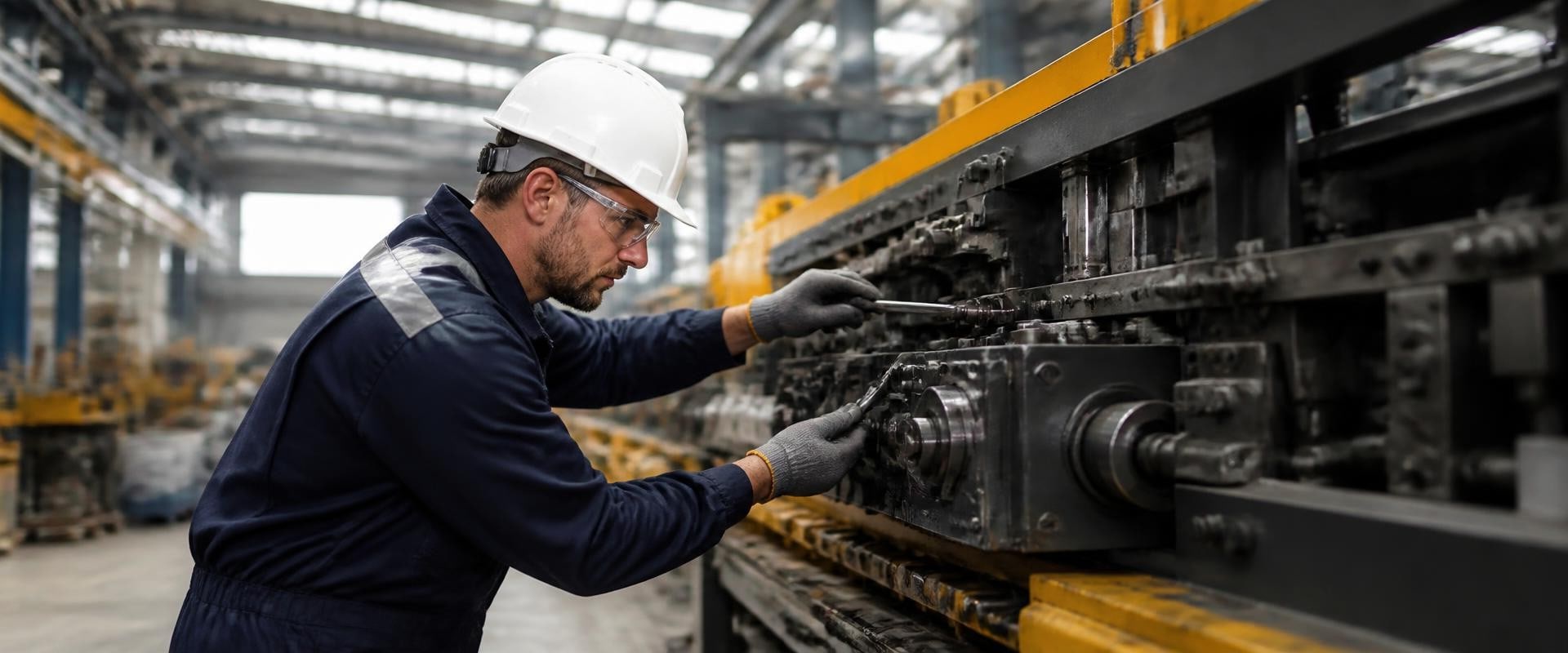
In the fast-paced world of manufacturing, industrial machinery services play a pivotal role in ensuring operational efficiency and productivity. These services encompass a wide range of activities, including maintenance, repair, and optimization of machinery used in various manufacturing processes. By understanding what these services entail, manufacturers can better appreciate their significance in maintaining a competitive edge in the industry. At its core, industrial machinery services are designed to enhance the performance and longevity of equipment that is crucial for production. This includes everything from routine maintenance checks to complex repairs and upgrades.
The importance of these services cannot be overstated; they not only prevent costly downtime but also ensure that machinery operates at peak efficiency. In an environment where every second counts, having reliable machinery is essential for meeting production targets and maintaining quality standards. Moreover, as technology evolves, so too do the demands placed on industrial machinery. Advanced systems require specialized knowledge and skills to manage effectively. This is where professional industrial machinery services come into play, providing manufacturers with the expertise needed to navigate these complexities.
By investing in these services, companies can optimize their operations, reduce waste, and ultimately drive profitability.
The Importance of Maintenance in Manufacturing Efficiency
In the realm of manufacturing, industrial machinery services play a pivotal role in ensuring operational efficiency. One of the most critical aspects of these services is regular maintenance, which directly influences the longevity and reliability of machinery.Regular maintenance services encompass a variety of tasks designed to keep machinery in optimal condition. These tasks include:- Routine inspections: Regular checks help identify potential issues before they escalate into costly breakdowns.
- Lubrication: Proper lubrication reduces friction and wear, extending the life of moving parts.
- Calibration: Ensuring that machinery operates within specified parameters enhances precision and reduces waste.
- Parts replacement: Timely replacement of worn-out components prevents unexpected failures.
- Increased productivity: Fewer breakdowns mean less downtime, allowing for uninterrupted production schedules.
- Cost savings: Preventative maintenance is often less expensive than emergency repairs, helping manufacturers save money in the long run.
- Enhanced safety: Well-maintained equipment reduces the risk of accidents, creating a safer work environment for employees.
By prioritizing maintenance, manufacturers can ensure their operations remain competitive in an ever-evolving market.
Types of Industrial Machinery Services
Industrial machinery services encompass a variety of specialized offerings that are crucial for maintaining and enhancing the efficiency of manufacturing operations. Understanding the different types of services available can help businesses make informed decisions that lead to improved productivity and reduced downtime.Repair Services
Repair services are essential for addressing equipment malfunctions and breakdowns. Timely repairs can prevent minor issues from escalating into major problems, which can significantly disrupt production schedules. Skilled technicians diagnose faults and implement solutions quickly, ensuring that machinery operates at optimal levels.Regular maintenance checks as part of repair services also help in identifying potential issues before they become critical.
Installation Services
Installation services play a pivotal role when new machinery is introduced into a manufacturing environment. Proper installation ensures that equipment functions correctly from the outset, minimizing the risk of operational inefficiencies. Professional installers not only set up the machinery but also provide training for staff on how to operate it effectively, which is vital for maximizing productivity.Consulting Services
Consulting services offer expert guidance on optimizing machinery use and improving overall operational efficiency. Consultants analyze existing processes and recommend strategies for better resource allocation, technology upgrades, and workflow enhancements.By leveraging their expertise, manufacturers can implement best practices that lead to significant gains in efficiency and cost savings.In summary, the various types of industrial machinery services, including repair, installation, and consulting, each contribute uniquely to enhancing manufacturing efficiency. By investing in these services, companies can ensure their operations run smoothly and effectively, ultimately leading to increased productivity and profitability.
Impact of Technology on Industrial Machinery Services
The integration of technology into industrial machinery services has revolutionized the manufacturing landscape, enhancing efficiency and productivity. Key advancements such as automation and the Internet of Things (IoT) are at the forefront of this transformation.Automation in Machinery Services
Automation streamlines operations by minimizing human intervention in repetitive tasks. This not only reduces the likelihood of errors but also accelerates production rates.For instance, automated machinery can operate continuously, leading to increased output without the need for breaks or downtime associated with manual labor.
The Role of IoT
The IoT connects machinery and equipment to the internet, enabling real-time data collection and analysis. This connectivity allows manufacturers to monitor machine performance, predict maintenance needs, and optimize operations. By leveraging IoT technology, companies can:- Enhance Predictive Maintenance: Sensors can detect anomalies in machinery performance, allowing for timely interventions before failures occur.
- Improve Resource Management: Real-time data helps in managing resources more effectively, reducing waste and lowering operational costs.
- Facilitate Remote Monitoring: Operators can oversee machinery from remote locations, ensuring that production continues smoothly even when personnel are not physically present.
Case Studies: Successful Implementation of Machinery Services
In the competitive landscape of manufacturing, companies are increasingly turning to industrial machinery services to enhance their operational efficiency.Here are a few case studies that illustrate the tangible benefits of these services.
Case Study 1: XYZ Manufacturing
XYZ Manufacturing, a leader in automotive parts production, faced significant downtime due to equipment failures. By partnering with an industrial machinery service provider, they implemented a predictive maintenance program. This program utilized advanced analytics to monitor machine performance and predict failures before they occurred.- Results: XYZ Manufacturing reported a 30% reduction in unplanned downtime and a 15% increase in overall equipment effectiveness (OEE).
- Impact: The improved reliability of machinery allowed for smoother production flows and better adherence to delivery schedules.
Case Study 2: ABC Food Processing
ABC Food Processing struggled with inefficiencies in their packaging line, leading to bottlenecks and increased labor costs. After engaging an industrial machinery service, they upgraded their packaging equipment and integrated automation solutions.- Results: The company achieved a 25% increase in packaging speed and reduced labor costs by 20%.
- Impact: These enhancements not only improved throughput but also allowed ABC Food Processing to expand their product offerings without significant capital investment.
Case Study 3: DEF Electronics
DEF Electronics, specializing in circuit board manufacturing, faced challenges with quality control due to outdated machinery.By utilizing industrial machinery services, they upgraded their inspection systems and implemented real-time monitoring technologies.
- Results: The company saw a 40% decrease in defects and rework rates.
- Impact: Enhanced quality control not only improved customer satisfaction but also reduced waste, leading to significant cost savings.
Future Trends in Industrial Machinery Services
As the manufacturing landscape evolves, industrial machinery services are poised to undergo significant transformations that will enhance operational efficiency and productivity. Several key trends are emerging that will shape the future of these services.- Integration of IoT and Smart Technologies: The Internet of Things (IoT) is revolutionizing how machinery operates and is serviced. By embedding sensors in industrial equipment, manufacturers can collect real-time data on machine performance, enabling predictive maintenance.
This proactive approach minimizes downtime and extends the lifespan of machinery.
- Increased Automation: Automation is becoming a cornerstone of industrial machinery services. With advancements in robotics and AI, routine maintenance tasks can be automated, allowing skilled technicians to focus on more complex issues. This shift not only improves efficiency but also reduces labor costs.
- Sustainability Initiatives: As industries face pressure to adopt sustainable practices, industrial machinery services are evolving to support eco-friendly operations. This includes optimizing machinery for energy efficiency and implementing recycling programs for old equipment.
- Data-Driven Decision Making: The rise of big data analytics is enabling manufacturers to make informed decisions based on comprehensive insights from their machinery.
By analyzing performance metrics, companies can identify inefficiencies and implement targeted improvements.
- Customized Service Solutions: The future will see a shift towards more personalized service offerings. Providers of industrial machinery services will tailor their solutions to meet the specific needs of individual manufacturers, enhancing overall service quality and customer satisfaction.
FAQs about Industrial Machinery Services and Manufacturing Efficiency
When it comes to industrial machinery services, many manufacturers have questions about how these services can enhance their operational efficiency. Below are some frequently asked questions that address common concerns and misconceptions.What are industrial machinery services?
Industrial machinery services encompass a range of support activities, including maintenance, repair, installation, and optimization of manufacturing equipment.These services ensure that machinery operates at peak performance, minimizing downtime and maximizing productivity.
How do these services improve manufacturing efficiency?
- Preventive Maintenance: Regular maintenance helps identify potential issues before they lead to equipment failure, reducing unexpected downtime.
- Expert Repairs: Skilled technicians can quickly diagnose and fix problems, ensuring that machinery is back in operation as soon as possible.
- Optimized Performance: Services often include performance assessments that help fine-tune machinery for better output and efficiency.
Are industrial machinery services cost-effective?
While there is an upfront cost associated with industrial machinery services, the long-term savings from reduced downtime and increased productivity often outweigh these expenses. Investing in these services can lead to significant cost reductions over time.How often should I schedule industrial machinery services?
The frequency of service depends on several factors, including the type of machinery, usage levels, and manufacturer recommendations. Generally, a proactive approach with regular check-ups is advisable to maintain optimal performance.Can I perform maintenance on my own?
While some basic maintenance tasks can be performed by operators, it is recommended to engage professional industrial machinery services for complex repairs and thorough inspections. This ensures safety and compliance with industry standards.Understanding the role of industrial machinery services in enhancing manufacturing efficiency can help businesses make informed decisions that lead to improved productivity and reduced operational costs.Conclusion: The Critical Role of Industrial Machinery Services in Manufacturing Success
In conclusion, the role of industrial machinery services in enhancing manufacturing efficiency cannot be overstated.Throughout this article, we have explored various facets of how these services contribute to operational excellence and productivity in manufacturing environments. Firstly, regular maintenance and timely repairs provided by industrial machinery services ensure that equipment operates at peak performance. This proactive approach minimizes downtime, which is crucial for maintaining production schedules and meeting customer demands. Secondly, the integration of advanced technologies and expert knowledge through these services allows manufacturers to optimize their processes. By leveraging data analytics and predictive maintenance strategies, companies can identify potential issues before they escalate, thus avoiding costly interruptions. Moreover, industrial machinery services facilitate training and support for staff, ensuring that operators are well-equipped to handle machinery efficiently. This not only enhances safety but also boosts overall productivity as employees become more adept at utilizing the equipment. Lastly, the strategic partnership with service providers can lead to significant cost savings over time.
By investing in comprehensive machinery services, manufacturers can reduce operational costs associated with unexpected breakdowns and inefficient processes. In summary, embracing industrial machinery services is essential for any manufacturing entity aiming to thrive in a competitive landscape. The benefits of improved efficiency, reduced downtime, and enhanced employee training collectively contribute to a more robust manufacturing operation.