Industrial machinery services encompass a wide range of support functions that ensure the optimal performance and longevity of machinery used in various sectors, including manufacturing, construction, and logistics. These services include maintenance, repair, installation, and training, all tailored to meet the specific needs of different industries. Understanding these services is crucial for businesses aiming to enhance productivity and reduce downtime. The significance of industrial machinery services cannot be overstated. As industries evolve and technology advances, the complexity of machinery increases, necessitating specialized knowledge and skills for effective operation.
By investing in these services, companies not only safeguard their equipment but also empower their workforce with the necessary training to handle sophisticated machinery confidently. This dual focus on equipment and personnel is essential for maintaining a competitive edge in today’s fast-paced market. Moreover, the role of industrial machinery services extends beyond mere maintenance; they are integral to workforce training initiatives. By providing hands-on training and access to expert knowledge, these services help bridge the skills gap that often exists in technical fields. As a result, employees become more adept at using advanced machinery, leading to improved safety standards and operational efficiency.
The Role of Industrial Machinery Services in Workforce Training
In today's rapidly evolving industrial landscape, industrial machinery services play a pivotal role in enhancing workforce training.These services not only provide the necessary equipment but also offer expertise that is crucial for effective learning and skill development.
Industrial machinery services
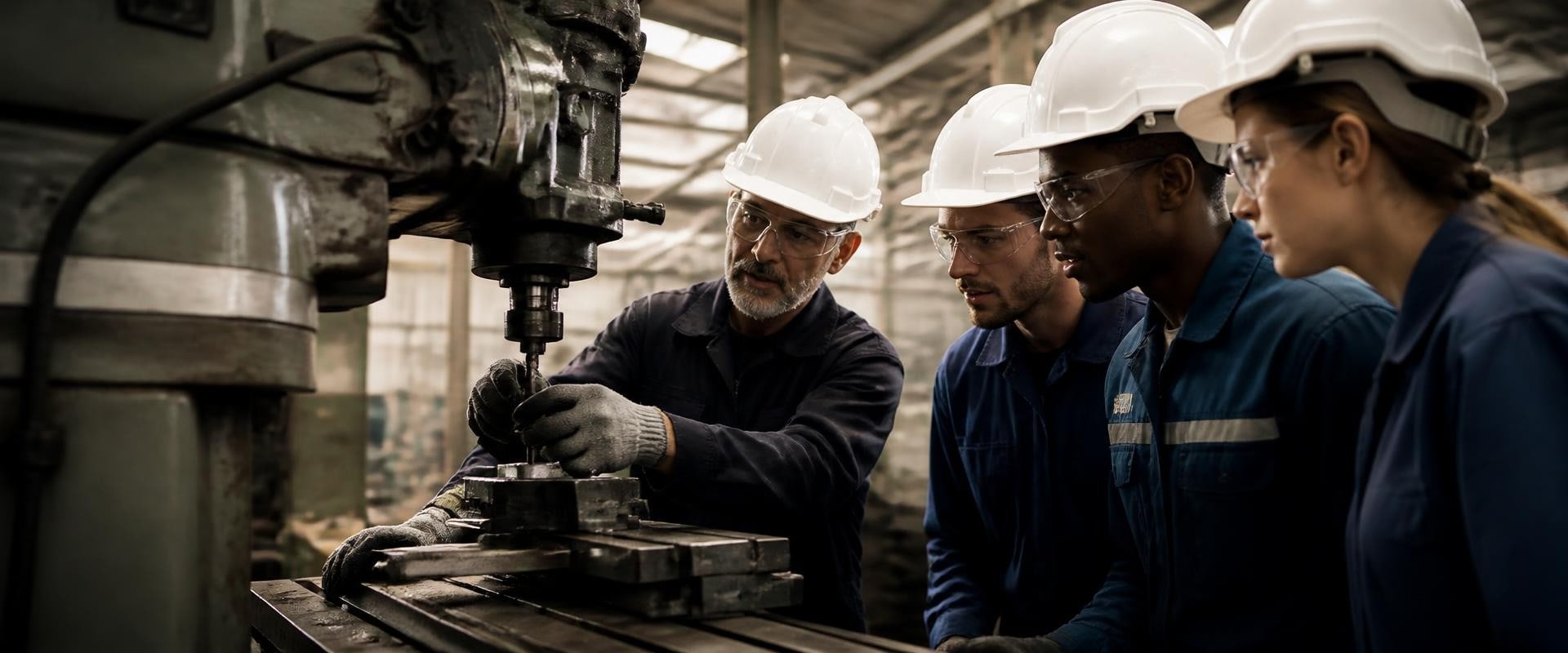
facilitate hands-on training experiences that are essential for workers to gain practical knowledge. By integrating real-world machinery into training programs, employees can familiarize themselves with the tools they will use on the job. This exposure helps bridge the gap between theoretical knowledge and practical application, ensuring that workers are well-prepared for their roles.Benefits of Training with Industrial Machinery Services
- Access to Latest Technology: Industrial machinery services often provide access to cutting-edge equipment, allowing trainees to learn on the latest models and technologies. This ensures that they are not only skilled in current practices but also adaptable to future advancements.
- Expert Guidance: Many industrial machinery service providers offer training programs led by experienced professionals.
This mentorship can significantly enhance the learning experience, as trainees receive insights and tips from those who have extensive industry knowledge.
- Customized Training Programs: Industrial machinery services can tailor training programs to meet specific organizational needs. This customization ensures that the training is relevant and directly applicable to the tasks employees will perform.
- Improved Safety Standards: Training with industrial machinery services emphasizes safety protocols and best practices. This focus on safety not only protects employees but also reduces the risk of costly accidents and downtime for businesses.
Types of Training Offered by Industrial Machinery Services
Industrial machinery services play a crucial role in enhancing workforce capabilities through a variety of specialized training programs.These programs are designed to equip employees with the necessary skills to operate, maintain, and troubleshoot complex machinery effectively.
- Hands-on Training: One of the most effective methods of learning is through hands-on training. This approach allows employees to engage directly with the machinery they will be using in their daily tasks. By working under the guidance of experienced trainers, workers can gain practical experience that theoretical training alone cannot provide. This type of training often includes simulations and real-world scenarios that prepare employees for actual operational challenges.
- Technical Skills Development: Industrial machinery services also offer comprehensive technical training programs that focus on specific skills required for operating various types of machinery.
These programs cover essential topics such as machine operation, maintenance procedures, and troubleshooting techniques. By enhancing technical skills, employees become more proficient and confident in their roles, leading to increased productivity and reduced downtime.
- Safety Protocols: Safety is paramount in any industrial setting. Training programs provided by industrial machinery services emphasize safety protocols to ensure that employees understand the risks associated with operating heavy machinery. This includes instruction on proper use of personal protective equipment (PPE), emergency procedures, and safe handling practices.
By prioritizing safety training, companies can minimize accidents and create a safer work environment.
Benefits of Partnering with Industrial Machinery Services for Training
Partnering with industrial machinery services for workforce training offers numerous advantages that can significantly enhance an organization’s operational efficiency and employee skill sets. Here are some key benefits:- Customized Training Programs: Industrial machinery services often provide tailored training solutions that align with specific organizational needs. This customization ensures that employees gain relevant skills that directly apply to their roles, enhancing productivity.
- Access to Expertise: By collaborating with experienced machinery service providers, organizations can leverage the expertise of seasoned professionals.
These experts bring valuable insights and practical knowledge that can elevate the training experience.
- Improved Safety Standards: Training programs offered by industrial machinery services typically emphasize safety protocols and best practices. This focus not only reduces the risk of workplace accidents but also fosters a culture of safety among employees.
- Reduced Downtime: Well-trained employees are less likely to make errors that lead to equipment malfunctions or production delays. By investing in training through industrial machinery services, organizations can minimize downtime and maintain smooth operations.
- Enhanced Employee Retention: Providing ongoing training opportunities demonstrates a commitment to employee development, which can lead to higher job satisfaction and retention rates. Employees are more likely to stay with a company that invests in their growth.
Case Studies: Successful Workforce Training Programs Using Industrial Machinery Services
In the realm of industrial machinery services, several organizations have successfully integrated workforce training programs that leverage advanced machinery and technology.These case studies highlight the effectiveness of such initiatives in enhancing employee skills and productivity.
Case Study 1: ABC Manufacturing
ABC Manufacturing implemented a comprehensive training program utilizing their state-of-the-art CNC machines. By partnering with a local technical college, they developed a curriculum that included hands-on training sessions on the latest machining technologies. As a result, employees reported a 30% increase in productivity and a significant reduction in error rates.Case Study 2: XYZ Construction
XYZ Construction adopted industrial machinery services to train their workforce on new heavy equipment. They organized workshops where employees could operate excavators and bulldozers under the guidance of certified trainers.This initiative not only improved operational efficiency but also enhanced safety awareness, leading to a 40% decrease in workplace accidents.
Case Study 3: DEF Logistics
DEF Logistics utilized virtual reality (VR) technology as part of their training program for warehouse machinery operation. By collaborating with an industrial machinery services provider, they created immersive training modules that allowed employees to practice in a risk-free environment. Feedback indicated that trainees felt more confident and prepared for real-world scenarios, resulting in faster onboarding times.These examples illustrate how industrial machinery services can play a pivotal role in developing effective workforce training programs. By investing in tailored training solutions, companies not only enhance their operational capabilities but also foster a culture of continuous learning and improvement among their employees.Challenges and Solutions in Implementing Training Programs with Industrial Machinery Services
Implementing effective training programs with industrial machinery services can present several challenges for organizations.Understanding these obstacles is crucial for developing solutions that enhance workforce competency and safety.
- Resource Allocation: Many companies struggle with allocating sufficient resources, including time and budget, for comprehensive training programs. This can lead to inadequate training that fails to meet the needs of the workforce.
- Technological Complexity: As machinery becomes increasingly sophisticated, training programs must keep pace with technological advancements. Employees may find it difficult to grasp complex systems without proper guidance and hands-on experience.
- Employee Resistance: Some employees may resist training initiatives due to fear of change or a lack of confidence in their ability to learn new skills. This resistance can hinder the overall effectiveness of training programs.
- Invest in Resources: Allocate dedicated budgets and personnel for training initiatives.
This investment can include hiring expert trainers or partnering with industrial machinery services that specialize in workforce development.
- Utilize Technology: Leverage virtual reality (VR) and augmented reality (AR) tools to create immersive training experiences. These technologies can simplify complex machinery operations and provide safe environments for practice.
- Foster a Positive Culture: Encourage a culture of continuous learning by promoting the benefits of training. Highlight success stories within the organization to motivate employees and reduce resistance.
Future Trends in Industrial Machinery Services and Workforce Training
As the landscape of industrial machinery services evolves, so too does the approach to workforce training. Emerging trends and innovations are reshaping how companies equip their employees with the necessary skills to operate and maintain advanced machinery.Integration of Virtual Reality (VR) and Augmented Reality (AR)
One of the most significant trends is the integration of Virtual Reality (VR) and Augmented Reality (AR) into training programs.These technologies provide immersive experiences that allow trainees to interact with machinery in a simulated environment. This hands-on approach not only enhances understanding but also reduces the risk associated with on-the-job training.
Data-Driven Training Programs
The use of data analytics is another trend gaining traction in industrial machinery services. By analyzing performance metrics and training outcomes, companies can tailor their training programs to meet specific needs. This data-driven approach ensures that employees receive targeted instruction that addresses their weaknesses, ultimately leading to improved operational efficiency.Remote Training Solutions
The rise of remote work has also influenced workforce training in industrial settings.With advancements in communication technology, companies can now offer remote training sessions that allow employees to learn from anywhere. This flexibility not only saves time but also enables organizations to reach a broader audience.
Collaborative Learning Platforms
Furthermore, collaborative learning platforms are becoming increasingly popular. These platforms facilitate knowledge sharing among employees, allowing them to learn from each other's experiences. By fostering a culture of collaboration, organizations can enhance their workforce's skill set while promoting teamwork.In conclusion, the future of industrial machinery services and workforce training is poised for transformation through innovative technologies and methodologies.By embracing these trends, companies can ensure their workforce remains skilled and adaptable in an ever-changing industrial landscape.
FAQs About Industrial Machinery Services and Workforce Training
When it comes to industrial machinery services and their impact on workforce training, several common questions arise. Below are some frequently asked questions that can help clarify the relationship between these services and effective training programs.- What types of training do industrial machinery services offer?
Industrial machinery services often provide hands-on training, technical workshops, and online courses tailored to specific machinery. This training can cover operation, maintenance, troubleshooting, and safety protocols. - How can workforce training improve safety in industrial settings?
Proper training ensures that employees understand how to operate machinery safely, reducing the risk of accidents.Industrial machinery services
often emphasize safety training as a critical component of their programs. - Are there certifications available through industrial machinery services?
Yes, many industrial machinery service providers offer certification programs that validate an employee's skills and knowledge.These certifications can enhance career prospects and ensure compliance with industry standards.
- How do I choose the right industrial machinery service for workforce training?
Consider factors such as the provider's reputation, the range of training programs offered, customization options, and post-training support. Reading reviews and seeking recommendations can also be beneficial. - Can industrial machinery services help with ongoing employee development?
Absolutely! Many providers offer refresher courses and advanced training sessions to keep employees updated on new technologies and practices in the industry.
Conclusion: The Impact of Industrial Machinery Services on Workforce Development
In conclusion, the integration of industrial machinery services into workforce training initiatives is not just beneficial but essential for fostering a skilled and adaptable workforce. As industries evolve and technology advances, the need for continuous learning and development becomes increasingly critical.Throughout this article, we have explored how industrial machinery services can enhance training programs by providing hands-on experience, access to the latest technologies, and tailored training solutions that meet specific industry needs. By leveraging these services, organizations can:- Improve Skill Acquisition: Practical training on real machinery allows workers to gain valuable skills that are directly applicable to their roles.
- Enhance Safety Standards: Training programs that incorporate industrial machinery services often emphasize safety protocols, reducing workplace accidents.
- Boost Employee Retention: Investing in employee development through specialized training fosters loyalty and reduces turnover rates.
- Increase Productivity: A well-trained workforce is more efficient, leading to higher productivity levels and better overall performance.
Companies gain access to expert knowledge and resources, while service providers can showcase their technologies and solutions in real-world applications.Ultimately, as industries face challenges such as skill gaps and technological advancements, integrating industrial machinery services into workforce training will be a key strategy for success. By prioritizing this integration, organizations can ensure they remain competitive in an ever-changing market while empowering their workforce with the skills needed for the future.