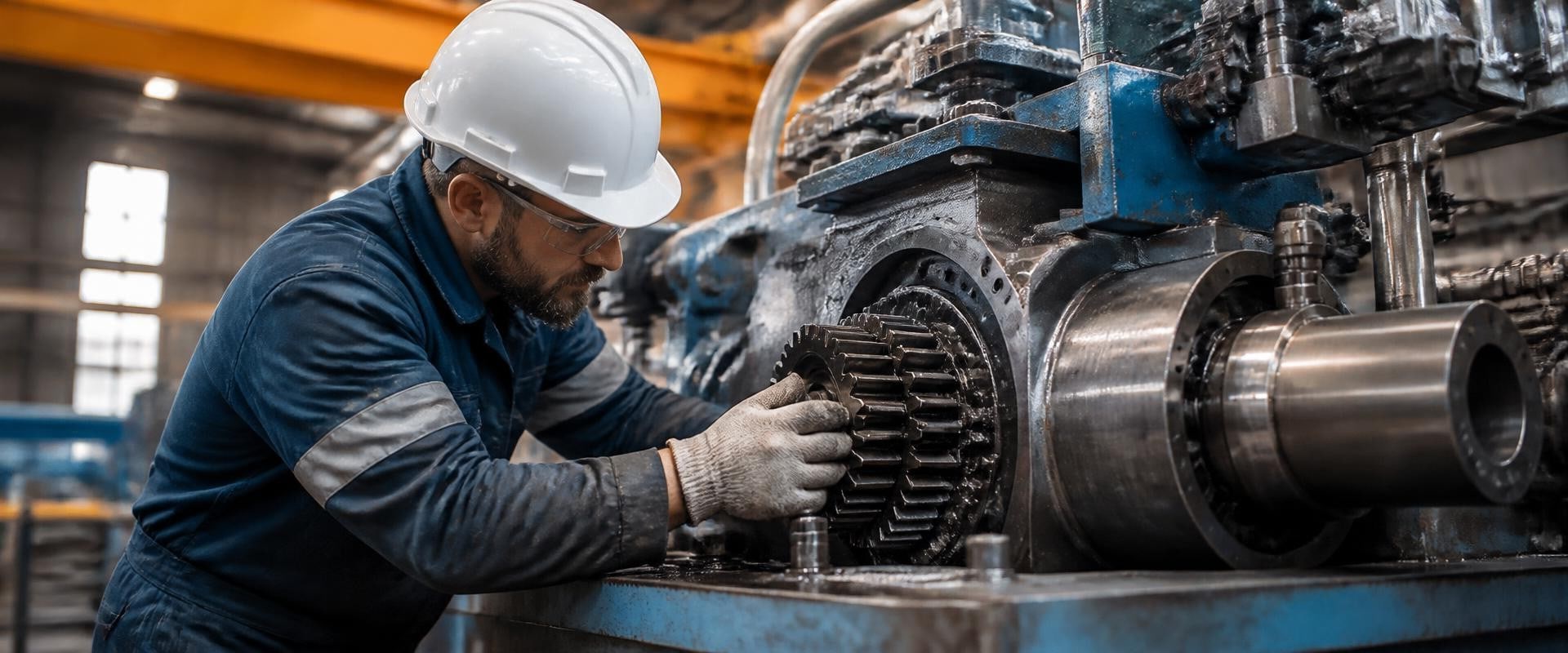
In the realm of industrial machinery services, understanding the intricacies of machinery maintenance and repair is crucial for any business reliant on heavy equipment. These services encompass a wide range of activities aimed at ensuring that machinery operates at peak efficiency, minimizing downtime, and extending the lifespan of valuable assets. Regular maintenance not only helps in identifying potential issues before they escalate into costly repairs but also plays a vital role in maintaining safety standards within the workplace. The importance of timely repairs cannot be overstated. Machinery that is not functioning optimally can lead to decreased productivity, increased operational costs, and even safety hazards for employees.
By investing in industrial machinery services, companies can ensure that their equipment remains in top condition, thereby enhancing overall operational efficiency. This proactive approach to maintenance and repair fosters a culture of reliability and trust, both within the workforce and with clients who depend on timely delivery of products and services. Moreover, understanding the common repairs needed in industrial machinery services allows businesses to prepare better for potential disruptions. From routine inspections to more complex repairs, being informed about what to expect can significantly reduce the impact on production schedules. As we delve deeper into this topic, we will explore the most frequent repairs encountered in industrial settings and how they can be effectively managed to sustain productivity and profitability.
Common Types of Industrial Machinery Repairs
In the realm of industrial machinery services, understanding the common types of repairs is crucial for maintaining operational efficiency and minimizing downtime.Various machinery components can experience wear and tear, leading to the need for specific repairs. Here are some of the most frequent types of repairs encountered:
- Mechanical Repairs: These involve fixing or replacing parts such as gears, bearings, and shafts. Mechanical failures often stem from inadequate lubrication or misalignment, which can lead to significant machinery breakdowns.
- Electrical Repairs: Industrial machinery relies heavily on electrical systems. Common issues include faulty wiring, malfunctioning sensors, and damaged circuit boards.
Regular inspections can help identify potential electrical problems before they escalate.
- Hydraulic Repairs: Hydraulic systems are vital for many industrial machines. Leaks in hoses or cylinders, as well as pump failures, are common issues that require immediate attention to prevent operational disruptions.
- Pneumatic Repairs: Similar to hydraulic systems, pneumatic systems can suffer from air leaks and valve malfunctions. These repairs are essential for maintaining pressure and ensuring efficient operation.
- Preventive Maintenance: While not a repair per se, implementing a preventive maintenance schedule can significantly reduce the frequency of major repairs. This includes regular inspections, lubrication, and part replacements based on usage and wear patterns.
By addressing these issues proactively, businesses can enhance productivity and extend the lifespan of their equipment.
Mechanical Failures: Causes and Solutions
Mechanical failures in industrial machinery can lead to significant downtime and costly repairs. Understanding the causes of machinery breakdown is crucial for effective maintenance and prevention strategies.Common Causes of Mechanical Failures:
- Wear and Tear: Over time, components such as bearings, gears, and belts can degrade due to constant friction and stress.
- Lack of Lubrication: Insufficient lubrication can cause overheating and increased friction, leading to premature failure of moving parts.
- Improper Alignment: Misalignment of shafts and couplings can result in excessive vibration, which may damage machinery over time.
- Overloading: Operating machinery beyond its designed capacity can strain components, leading to breakdowns.
- Environmental Factors: Dust, moisture, and extreme temperatures can adversely affect machinery performance and longevity.
Solutions for Mechanical Issues:
- Regular Maintenance: Implementing a routine maintenance schedule helps identify potential issues before they escalate into major problems.
- Lubrication Management: Ensuring that all moving parts are adequately lubricated can significantly reduce wear and tear.
- Alignment Checks: Regularly checking and correcting the alignment of machinery components can prevent unnecessary vibrations and extend equipment life.
- Load Monitoring: Utilizing load sensors can help operators avoid overloading machinery, ensuring it operates within safe limits.
- Environmental Controls: Implementing dust control measures and maintaining optimal temperature conditions can protect machinery from environmental damage.
Electrical Issues in Industrial Machinery
Electrical issues in industrial machinery can lead to significant downtime and costly repairs. Understanding the common electrical problems in machinery is crucial for effective troubleshooting and maintenance.One of the most frequent electrical problems encountered is short circuits.These occur when electrical current flows along an unintended path, often due to damaged insulation or faulty wiring. To troubleshoot this issue, technicians should:
- Inspect wiring for signs of wear or damage.
- Use a multimeter to check for continuity and voltage irregularities.
- Identify and replace any faulty components.
- Monitor the temperature of electrical components regularly.
- Ensure that all connections are secure and that there is no excessive load on circuits.
- Consider upgrading cooling systems if overheating persists.
Steps to troubleshoot ground faults include:
- Testing for proper grounding of all machinery.
- Using insulation resistance testers to identify compromised insulation.
- Implementing protective devices such as ground fault circuit interrupters (GFCIs).
Hydraulic System Repairs: Key Considerations
Hydraulic systems play a crucial role in the functionality of industrial machinery services, providing the necessary power to operate various components efficiently. However, these systems are prone to failures that can disrupt operations and lead to costly downtime.Common hydraulic system failures include:- Fluid Leaks: One of the most frequent issues, fluid leaks can occur due to worn seals, damaged hoses, or loose fittings.
Regular inspections can help identify potential leaks before they escalate.
- Contaminated Fluid: Hydraulic fluid contamination can lead to severe damage within the system. Dirt, water, and other contaminants can cause wear on components and reduce efficiency.
- Pump Failures: The hydraulic pump is vital for system operation. Failures can result from cavitation, overheating, or mechanical wear, necessitating timely repairs or replacements.
- Actuator Issues: Cylinders and motors may experience problems such as sticking or slow movement, often due to internal wear or inadequate lubrication.
- Routine Inspections: Conducting regular checks on hoses, fittings, and connections helps catch potential problems early.
- Fluid Analysis: Testing hydraulic fluid for contamination and viscosity ensures optimal performance and longevity of the system.
- Seal Replacement: Regularly replacing seals can prevent leaks and maintain system integrity.
- System Cleaning: Keeping the hydraulic system clean from debris and contaminants is vital for preventing damage.
By addressing issues promptly and maintaining optimal conditions, businesses can minimize downtime and improve overall productivity.
Preventive Maintenance vs. Reactive Repairs
In the realm of industrial machinery services, understanding the distinction between preventive maintenance and reactive repairs is crucial for optimizing equipment performance and minimizing downtime.Preventive Maintenance
involves regularly scheduled inspections, adjustments, and replacements aimed at preventing equipment failures before they occur. This proactive approach offers numerous benefits:
- Reduced Downtime: By addressing potential issues before they escalate, businesses can avoid unexpected breakdowns that disrupt operations.
- Cost Efficiency: Preventive maintenance often proves to be more cost-effective in the long run, as it reduces the need for expensive emergency repairs and extends the lifespan of machinery.
- Improved Safety: Regular maintenance checks help identify safety hazards, ensuring a safer working environment for employees.
- Enhanced Performance: Well-maintained machinery operates more efficiently, leading to better productivity and output quality.
- Increased Costs: Reactive repairs often involve higher costs due to emergency service fees and the potential for extensive damage that requires more complex repairs.
- Operational Disruption: Equipment failures can halt production lines, leading to lost revenue and delayed project timelines.
- Poor Resource Allocation: Relying on reactive repairs can strain resources, as teams must scramble to address issues rather than focusing on planned maintenance activities.
By prioritizing preventive maintenance, organizations can foster a culture of reliability and efficiency in their operations.
The Role of Technology in Machinery Repairs
In the realm of industrial machinery services, technology plays a pivotal role in enhancing repair processes and overall efficiency. The integration of advanced digital tools has revolutionized how maintenance and repairs are conducted, leading to significant improvements in both speed and accuracy.Digital Tools for Machinery Maintenance
One of the most notable advancements is the use of digital tools for predictive maintenance. These tools utilize data analytics and machine learning algorithms to predict potential failures before they occur. By analyzing historical performance data, technicians can identify patterns that indicate when a machine is likely to fail, allowing for timely interventions.Advancements in Repair Technology
Moreover, technologies such as augmented reality (AR) and virtual reality (VR) are being employed to assist technicians during repairs.These technologies provide real-time guidance and visualizations, enabling workers to perform complex repairs with greater confidence and precision. For instance, AR can overlay schematics directly onto machinery, helping technicians understand the components they are working on without needing extensive manuals.The adoption of IoT (Internet of Things) devices has also transformed industrial machinery services. By equipping machines with sensors that monitor performance metrics, companies can gather valuable data that informs maintenance schedules and repair strategies. This proactive approach not only minimizes downtime but also extends the lifespan of machinery.In conclusion, the role of technology in industrial machinery services cannot be overstated.
From predictive maintenance tools to AR-assisted repairs, these advancements are streamlining processes and enhancing the effectiveness of repair operations. As technology continues to evolve, it will undoubtedly lead to even more innovative solutions in the field of machinery maintenance.
FAQs About Industrial Machinery Repairs
When it comes to industrial machinery services, many operators and managers have questions regarding repairs. Here are some frequently asked questions that can help clarify common concerns:What are the most common repairs needed for industrial machinery?
Industrial machinery often requires repairs due to wear and tear, which can include:- Motor replacements: Motors can fail due to overheating or electrical issues.
- Hydraulic system repairs: Leaks or failures in hydraulic systems are common and can lead to significant downtime.
- Gearbox maintenance: Gearboxes may need repairs or replacements due to excessive wear.
- Electrical component failures: Circuit boards and sensors often require troubleshooting and replacement.
How long do repairs typically take?
The timeline for repairs can vary significantly based on the type of machinery and the extent of the damage. Generally, minor repairs may take a few hours, while major overhauls could take several days.It's essential to consult with your service provider for a more accurate estimate based on your specific situation.
What factors influence repair costs?
The cost of repairs in industrial machinery services can be influenced by several factors:- Type of machinery: Different machines have varying complexities, affecting labor and parts costs.
- Extent of damage: More extensive damage typically leads to higher repair costs.
- Parts availability: If parts need to be ordered, this can increase both time and cost.
- Labor rates: The cost of skilled labor can vary by region and service provider.
Conclusion: Ensuring Efficiency Through Proper Repairs
In conclusion, the significance of timely and effective repairs in industrial machinery services cannot be overstated. As we have explored, regular maintenance and prompt attention to repairs not only enhance the lifespan of machinery but also ensure optimal performance and safety in industrial operations.Neglecting necessary repairs can lead to a cascade of issues, including increased downtime, higher operational costs, and potential safety hazards. Therefore, understanding the most common repairs needed in industrial machinery services is crucial for any business relying on heavy equipment.Key Takeaways
- Preventive Maintenance: Regular checks can identify potential problems before they escalate.
- Common Repairs: Addressing issues such as hydraulic leaks, electrical failures, and worn-out components is essential.
- Expertise Matters: Engaging skilled technicians ensures that repairs are conducted efficiently and effectively.
- Cost Efficiency: Investing in timely repairs can save businesses significant amounts in the long run by avoiding major breakdowns.
In an industry where every minute counts, ensuring that machinery operates at peak performance is not just beneficial; it is essential for sustained success.