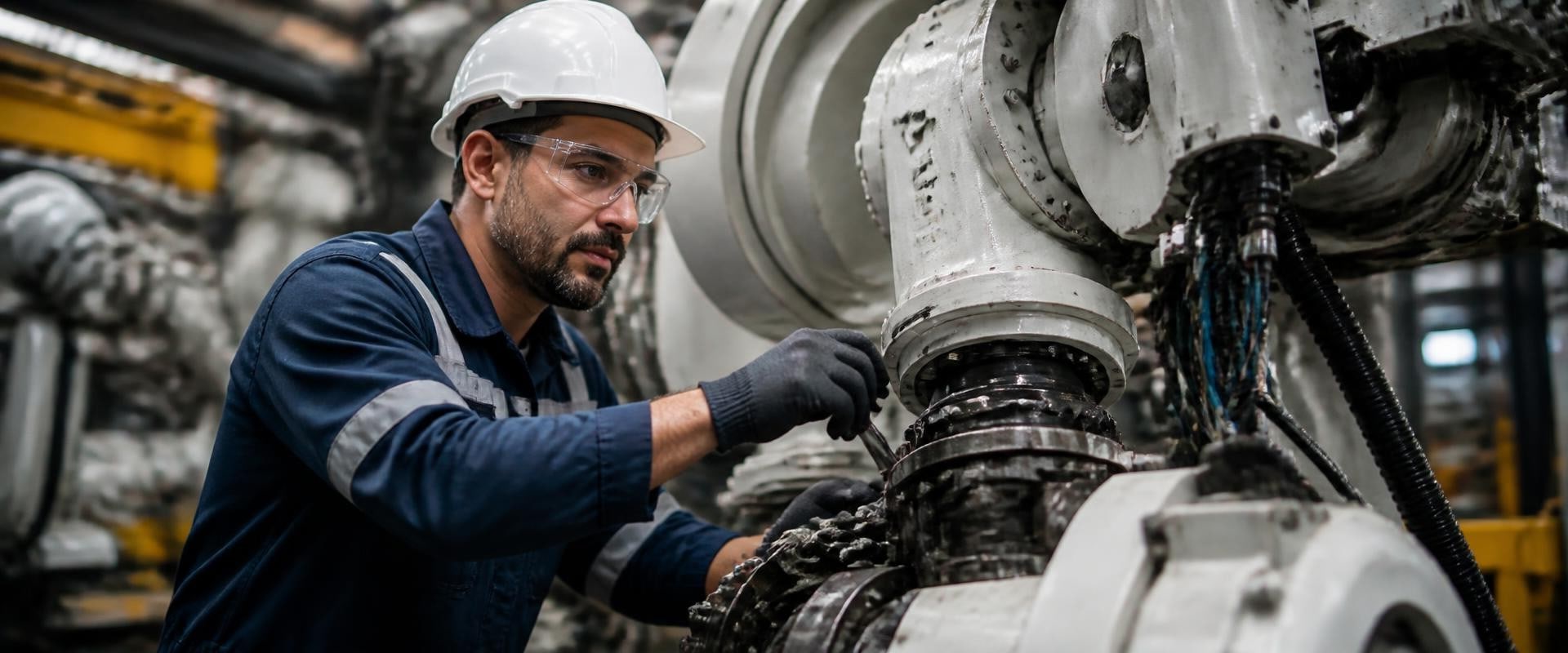
In the realm of industrial machinery services, understanding the intricacies of equipment maintenance and repair is crucial for operational efficiency. These services encompass a wide range of activities, from routine inspections to complex overhauls, ensuring that machinery operates at peak performance. However, the effectiveness of these services is heavily influenced by the qualifications and certifications held by service providers. Certifications serve as a benchmark for quality and safety, assuring clients that their machinery is in capable hands. The importance of certifications in the industrial machinery sector cannot be overstated.
They not only validate the expertise of service providers but also enhance trust between clients and technicians. For instance, certifications from recognized organizations indicate that a provider has undergone rigorous training and adheres to industry standards. This commitment to excellence is vital in preventing costly downtimes and ensuring compliance with safety regulations. Moreover, an overview of industrial machinery reveals a diverse landscape where various types of equipment are utilized across multiple sectors, including manufacturing, construction, and logistics. Each type of machinery comes with its own set of challenges and maintenance requirements.
Therefore, having certified professionals who understand these nuances is essential for delivering high-quality services that meet the specific needs of different industries.
Key Certifications for Industrial Machinery Service Providers
When it comes to industrial machinery services, having the right certifications is crucial for service providers. These certifications not only demonstrate expertise but also ensure compliance with industry standards, enhancing trust among clients. Here are some of the key certifications that industrial machinery service providers should consider:- ISO 9001 Certification: This internationally recognized standard focuses on quality management systems. It ensures that service providers consistently meet customer and regulatory requirements, leading to improved customer satisfaction.
- OSHA Certification: The Occupational Safety and Health Administration (OSHA) certification is vital for ensuring workplace safety.
Service providers with this certification are trained to recognize and mitigate hazards associated with industrial machinery.
- NCCER Certification: The National Center for Construction Education and Research (NCCER) offers certifications in various trades, including industrial maintenance. This certification validates the skills and knowledge of technicians in maintaining and repairing machinery.
- EPA Certification: For service providers dealing with machinery that uses refrigerants or other hazardous materials, Environmental Protection Agency (EPA) certification is essential. It ensures compliance with environmental regulations and promotes safe handling practices.
- Manufacturer-Specific Certifications: Many machinery manufacturers offer their own certification programs. These certifications provide in-depth knowledge about specific equipment, ensuring that service providers can perform repairs and maintenance effectively.
By obtaining these essential certifications, industrial machinery service providers can enhance their credibility, improve operational efficiency, and ultimately deliver better services to their clients.
ISO Certifications: A Standard Requirement
In the realm of industrial machinery services, adherence to internationally recognized standards is crucial for ensuring quality and reliability. One of the most significant ways service providers can demonstrate their commitment to excellence is through obtaining ISO certifications. These certifications not only enhance the credibility of a service provider but also assure clients of consistent service quality.ISO 9001: Quality Management Systems
ISO 9001 is perhaps the most well-known certification, focusing on quality management systems (QMS). This standard helps organizations ensure they meet customer and regulatory requirements while continually improving their processes.For industrial machinery service providers, achieving ISO 9001 certification signifies a commitment to delivering high-quality services consistently, which can lead to increased customer satisfaction and loyalty.
ISO 14001: Environmental Management
Another critical certification is ISO 14001, which pertains to environmental management systems (EMS). This standard provides a framework for organizations to manage their environmental responsibilities effectively. For service providers in the industrial machinery sector, obtaining ISO 14001 certification demonstrates a proactive approach to minimizing environmental impact, which is increasingly important in today’s eco-conscious market.ISO 45001: Occupational Health and Safety
ISO 45001 focuses on occupational health and safety (OHS) management systems. This certification helps organizations improve employee safety, reduce workplace risks, and create better working conditions.For industrial machinery service providers, achieving ISO 45001 certification not only protects employees but also enhances the company’s reputation as a safe and responsible employer.In summary, obtaining ISO certifications such as ISO 9001, ISO 14001, and ISO 45001 is essential for industrial machinery service providers. These certifications not only improve operational efficiency but also build trust with clients by demonstrating a commitment to quality, environmental stewardship, and employee safety.
Safety Certifications: Ensuring Workplace Safety
In the realm of industrial machinery services, safety is paramount. Service providers must prioritize compliance with safety regulations to protect their workforce and ensure operational efficiency. One of the key components of this commitment is obtaining relevant safety certifications.Among the most recognized certifications is the Occupational Safety and Health Administration (OSHA) certification.This certification demonstrates that a service provider adheres to federal safety standards, which are designed to minimize workplace hazards. OSHA compliance not only protects employees but also enhances the credibility of the service provider in the eyes of clients.Additionally, many industries require adherence to specific safety standards that may vary based on the type of machinery being serviced. For instance:
- ANSI (American National Standards Institute) : This certification ensures that machinery meets established safety standards.
- ISO 45001 : This international standard focuses on occupational health and safety management systems, helping organizations improve employee safety and reduce workplace risks.
- NFPA (National Fire Protection Association) : For machinery that poses fire hazards, NFPA certifications ensure compliance with fire safety regulations.
It not only ensures compliance with OSHA and other regulatory bodies but also fosters a culture of safety that benefits both workers and clients alike.
Manufacturer-Specific Certifications
When it comes to industrial machinery services, obtaining manufacturer-specific certifications is crucial for service providers. These certifications not only validate the expertise of technicians but also ensure that they are equipped with the latest knowledge and skills required to service specific brands or types of machinery.Why Manufacturer-Specific Certifications Matter
- Expertise in Specific Machinery: Each manufacturer has unique technologies, components, and operational protocols. Certified technicians are trained to understand these intricacies, which enhances their ability to diagnose and repair issues effectively.
- Access to Proprietary Information: Authorized service providers often gain access to proprietary manuals, software updates, and technical support from the manufacturer. This access is vital for maintaining machinery at optimal performance levels.
- Quality Assurance: Manufacturers typically have rigorous standards for their certified service providers.
This ensures that repairs and maintenance are performed to the highest quality, reducing the risk of future breakdowns.
Examples of Manufacturer Certifications
- Caterpillar: Caterpillar offers a range of certifications for technicians specializing in their heavy machinery, ensuring they are well-versed in the latest technologies.
- John Deere: John Deere provides training programs that culminate in certification, focusing on their agricultural equipment and machinery.
- Komatsu: Komatsu’s certification program emphasizes safety and efficiency in servicing their construction equipment.
The Role of Continuing Education and Training
In the rapidly evolving field of industrial machinery services, the importance of continuing education and training cannot be overstated. As technology advances, service providers must stay updated with the latest techniques, tools, and safety protocols to ensure they deliver the highest quality of service.Many organizations offer specialized training programs designed to enhance the skills of technicians and engineers. These programs often cover a range of topics, including:- New technologies: Understanding the latest machinery and software innovations.
- Safety standards: Keeping up with OSHA regulations and industry best practices.
- Diagnostic techniques: Learning advanced troubleshooting methods for complex machinery.
- Customer service skills: Enhancing communication and problem-solving abilities when interacting with clients.
This ensures that service providers not only maintain their credentials but also remain competitive in the marketplace. Regularly participating in training helps professionals to:
- Adapt to changes: Quickly learn how to operate new machinery or software updates.
- Enhance expertise: Deepen their understanding of specific areas within industrial machinery.
- Network with peers: Build relationships with other professionals in the field, which can lead to collaborative opportunities.
Frequently Asked Questions about Certifications in Industrial Machinery Services
When it comes to industrial machinery services, understanding the importance of certifications can be crucial for both service providers and clients. Here are some frequently asked questions regarding certifications in this field:- What are the most common certifications for industrial machinery service providers?
The most recognized certifications include the National Institute for Certification in Engineering Technologies (NICET), American Society for Quality (ASQ) certifications, and manufacturer-specific certifications such as those from Siemens or Rockwell Automation.These credentials demonstrate a technician's expertise and adherence to industry standards.
- Why are certifications important in industrial machinery services?
Certifications validate a service provider's skills and knowledge, ensuring they meet industry standards. This not only enhances credibility but also assures clients that they are receiving quality service. Furthermore, certified technicians are often more adept at troubleshooting and maintaining complex machinery. - How can I verify a service provider's certification?
Most certification bodies maintain online directories where you can verify a technician's credentials. Additionally, reputable service providers should be willing to provide proof of their certifications upon request. - Are there ongoing education requirements for maintaining certifications?
Yes, many certifications require continuing education or periodic re-certification to ensure that professionals stay updated with the latest technologies and practices in the field. - Can certifications impact the cost of services?
While certified technicians may charge higher rates due to their expertise, the investment often leads to better service quality and reduced downtime, ultimately saving clients money in the long run.
Always consider the qualifications of technicians to ensure optimal performance and safety in your operations.
Conclusion: The Importance of Certifications in Industrial Machinery Services
In conclusion, the significance of certifications in the realm of industrial machinery services cannot be overstated. These certifications serve as a testament to a service provider's commitment to quality, safety, and industry standards. By ensuring that technicians are properly trained and knowledgeable about the latest technologies and practices, certifications help mitigate risks associated with machinery operation and maintenance.Moreover, certifications often reflect a service provider's adherence to regulatory requirements, which is crucial for compliance in various industries. This not only protects the company from potential legal issues but also enhances its reputation among clients who prioritize safety and reliability.- Quality Assurance: Certified providers are more likely to deliver consistent and high-quality services.
- Safety Standards: Certifications ensure that service providers follow strict safety protocols, reducing the likelihood of accidents.
- Industry Recognition: Certifications can enhance a provider's credibility and marketability in a competitive landscape.
This not only guarantees a higher level of service but also fosters trust and long-term partnerships. As industries continue to evolve, staying updated with certifications will be essential for service providers aiming to maintain their competitive edge.