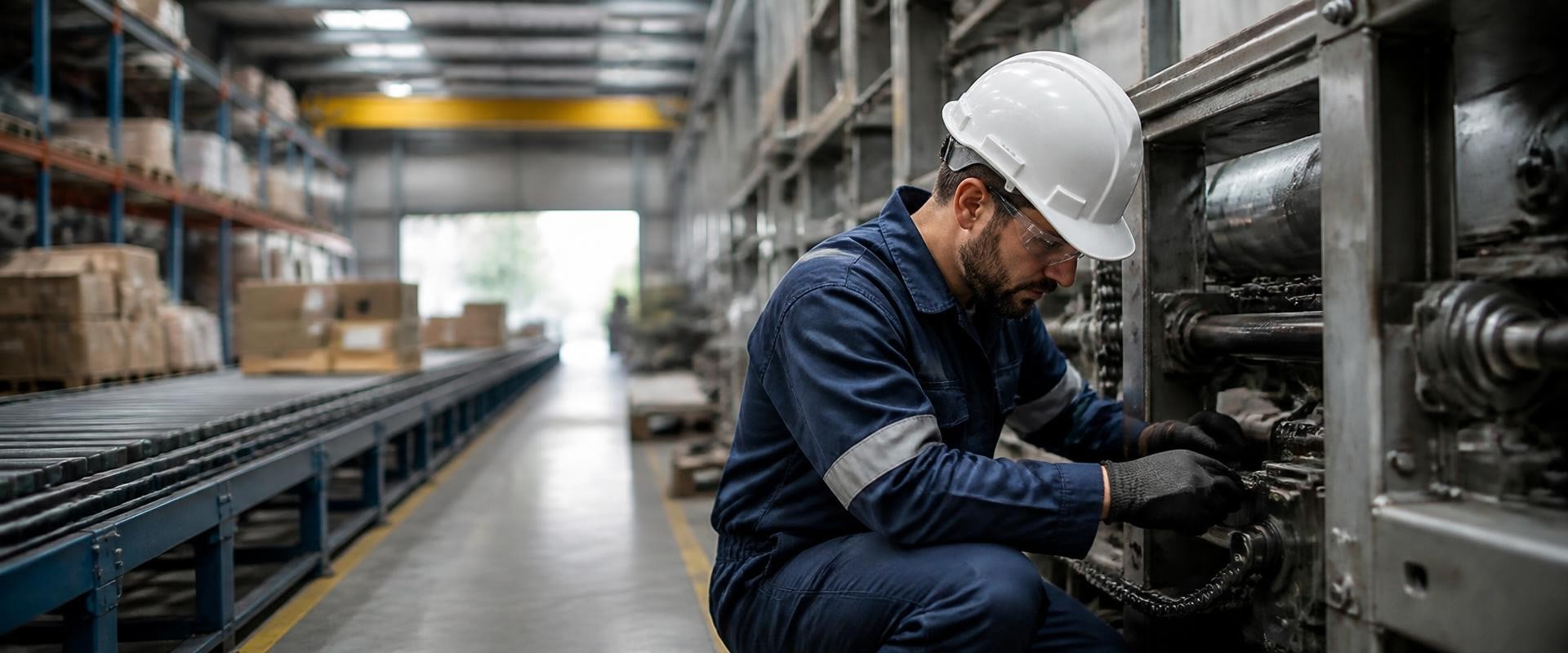
Industrial machinery services encompass a wide range of activities aimed at maintaining, repairing, and optimizing the performance of machinery used in various industries. These services are crucial for ensuring that equipment operates efficiently and reliably, which directly impacts productivity and operational costs. From routine maintenance to emergency repairs, industrial machinery services play a vital role in keeping the machinery running smoothly, thereby minimizing downtime and maximizing output. The significance of industrial machinery services extends beyond mere maintenance; they are integral to the overall health of supply chain management. In industries such as manufacturing, construction, and logistics, the reliability of machinery can dictate the pace of production and delivery schedules.
When machinery fails or operates below optimal levels, it can lead to delays that ripple through the entire supply chain, affecting everything from inventory levels to customer satisfaction. Moreover, as industries increasingly adopt advanced technologies like automation and IoT (Internet of Things), the complexity of machinery has grown. This evolution necessitates specialized services that not only address traditional mechanical issues but also incorporate software updates and system integrations. Understanding the importance of these services is essential for businesses aiming to enhance their supply chain efficiency and maintain a competitive edge in today's fast-paced market.
The Relationship Between Industrial Machinery Services and Supply Chain Management
The integration of industrial machinery services into supply chain management is pivotal for enhancing operational efficiency and reliability. These services encompass a range of activities, including maintenance, repair, and optimization of machinery, which directly affect the overall performance of supply chains.Efficiency
is one of the most significant impacts of industrial machinery services on supply chain management.By ensuring that machinery operates at peak performance, businesses can minimize downtime and maintain a steady flow of production. Regular maintenance schedules and prompt repairs prevent unexpected breakdowns, which can disrupt the entire supply chain process.Moreover, the reliability of machinery plays a crucial role in meeting customer demands. When industrial machinery services are effectively implemented, companies can ensure that their production timelines are adhered to, thereby enhancing customer satisfaction. This reliability fosters trust between suppliers and customers, which is essential for long-term business relationships.
- Cost-effectiveness: Investing in industrial machinery services can lead to significant cost savings.
By prolonging the lifespan of equipment and reducing the frequency of major repairs, companies can allocate resources more efficiently.
- Data-driven decisions: Many modern industrial machinery services utilize advanced technologies such as IoT and predictive analytics. This data allows businesses to make informed decisions regarding inventory management and production scheduling.
- Supply chain agility: With reliable machinery services, companies can respond more swiftly to market changes or disruptions. This agility is crucial in today’s fast-paced business environment.
Key Benefits of Industrial Machinery Services in Supply Chains
Industrial machinery services play a crucial role in enhancing the efficiency and effectiveness of supply chain management.By leveraging these services, businesses can experience a multitude of benefits that directly contribute to supply chain optimization.
- Improved Maintenance: Regular maintenance provided by industrial machinery services ensures that equipment operates at peak performance. This proactive approach minimizes the risk of unexpected breakdowns, allowing for smoother operations throughout the supply chain.
- Reduced Downtime: One of the most significant advantages of utilizing industrial machinery services is the reduction in downtime. Scheduled maintenance and quick response times for repairs mean that machinery is less likely to be out of commission, which can disrupt production schedules and lead to delays in fulfilling orders.
- Enhanced Productivity: With well-maintained machinery, companies can achieve higher levels of productivity. Efficient equipment translates to faster production rates, enabling businesses to meet customer demands more effectively and maintain a competitive edge in the market.
- Cost Efficiency: Investing in industrial machinery services can lead to long-term cost savings.
By preventing major breakdowns and extending the lifespan of equipment, companies can avoid costly repairs and replacements, ultimately improving their bottom line.
- Data-Driven Insights: Many industrial machinery services now incorporate advanced technologies such as IoT and predictive analytics. These tools provide valuable data that can help businesses make informed decisions regarding their supply chain operations, further optimizing processes and resource allocation.
Challenges Faced by Supply Chains Without Industrial Machinery Services
In today's fast-paced industrial landscape, the absence of industrial machinery services can lead to significant challenges within supply chains. These challenges not only affect operational efficiency but also pose risks that can jeopardize the entire supply chain ecosystem.Operational Inefficiencies
- Without regular maintenance and timely repairs provided by industrial machinery services, equipment is prone to breakdowns.
This can lead to unexpected downtimes, disrupting production schedules and delaying deliveries.
- Inadequate machinery performance can result in slower production rates, which directly impacts the ability to meet customer demands and maintain competitive advantage.
Risks of Neglecting Machinery Services
- Neglecting industrial machinery services increases the risk of catastrophic failures. Such failures not only incur high repair costs but can also lead to workplace accidents, endangering employee safety.
- The lack of proactive maintenance strategies can result in higher operational costs over time, as reactive repairs are often more expensive than scheduled maintenance.
Challenges in Supply Chain Management
- Supply chains that do not leverage industrial machinery services may struggle with inventory management. Equipment failures can lead to stock shortages or excess inventory, complicating demand forecasting.
- The inability to ensure consistent product quality due to malfunctioning machinery can damage brand reputation and customer trust, leading to lost sales opportunities.
Case Studies: Successful Integration of Industrial Machinery Services in Supply Chains
Integrating industrial machinery services into supply chains can significantly enhance operational efficiency and productivity.Here are some compelling case studies that illustrate this impact:
Case Study 1: Automotive Manufacturing
A leading automotive manufacturer faced challenges with equipment downtime, which was affecting production schedules. By partnering with an industrial machinery services provider, they implemented a predictive maintenance program. This program utilized IoT sensors to monitor machinery health in real-time, allowing for timely interventions before failures occurred.- Results: The manufacturer reported a 30% reduction in unplanned downtime and a 15% increase in overall equipment effectiveness (OEE).
Case Study 2: Food Processing Industry
A food processing company struggled with inconsistent product quality due to aging machinery. They engaged an industrial machinery services firm to conduct a comprehensive audit of their equipment and recommend upgrades.The service provider not only replaced outdated machines but also trained staff on new technologies.
- Results: Post-integration, the company saw a 25% improvement in product consistency and a 20% increase in production capacity.
Case Study 3: Electronics Manufacturing
An electronics manufacturer was facing supply chain disruptions due to delays in machinery repairs. By adopting a managed services approach, they ensured that maintenance was performed proactively rather than reactively. This included regular check-ups and immediate access to spare parts.- Results: The company achieved a 40% decrease in repair times and improved their delivery timelines by 35%, enhancing customer satisfaction.
Future Trends in Industrial Machinery Services and Supply Chain Management
The landscape of industrial machinery services is rapidly evolving, driven by advancements in technology and the increasing demand for efficiency in supply chain management.As industries strive to optimize their operations, several key trends are emerging that will shape the future of both machinery services and supply chains.
Integration of Advanced Technologies
One of the most significant trends is the integration of advanced technologies such as IoT (Internet of Things), AI (Artificial Intelligence), and big data analytics. These technologies enable real-time monitoring and predictive maintenance of industrial machinery, which can drastically reduce downtime and enhance productivity. By leveraging data analytics, companies can gain insights into machinery performance, allowing for timely interventions that prevent costly disruptions in the supply chain.Automation and Robotics
The rise of automation in industrial settings is another trend that is reshaping supply chain management. Automated systems can streamline processes, reduce human error, and increase throughput.For instance, robotic arms can handle repetitive tasks with precision, freeing up human workers to focus on more complex responsibilities. This shift not only improves efficiency but also enhances safety in the workplace.
Sustainability and Eco-Friendly Practices
As sustainability becomes a priority for many organizations, industrial machinery services are adapting to meet these demands. Companies are increasingly investing in energy-efficient machinery and sustainable practices that minimize waste. This trend not only helps in reducing operational costs but also aligns with consumer preferences for environmentally responsible products.Collaborative Supply Chain Models
The future will likely see a shift towards more collaborative supply chain models where manufacturers, suppliers, and service providers work closely together.This collaboration can lead to improved communication and transparency, enabling quicker responses to market changes. By integrating industrial machinery services into this collaborative framework, businesses can enhance their agility and resilience against disruptions.In conclusion, the impact of emerging trends in industrial machinery services on supply chain management is profound. By embracing technology, automation, sustainability, and collaboration, companies can position themselves for success in an increasingly competitive landscape.
FAQs About Industrial Machinery Services and Supply Chain Management
Understanding the role of industrial machinery services in supply chain management can be complex. Here are some frequently asked questions that clarify their impact:- What are industrial machinery services?
These services encompass maintenance, repair, and optimization of machinery used in manufacturing and production processes.They ensure that equipment operates efficiently, minimizing downtime.
- How do industrial machinery services affect supply chain efficiency?
By ensuring that machinery is well-maintained and functioning optimally, these services reduce the risk of unexpected breakdowns. This reliability leads to smoother operations and timely deliveries, which are crucial for maintaining an efficient supply chain. - Can industrial machinery services help reduce costs?
Yes, regular maintenance and timely repairs can prevent costly breakdowns and extend the lifespan of equipment. This proactive approach can lead to significant savings in operational costs over time. - What role does technology play in industrial machinery services?
Advanced technologies such as IoT (Internet of Things) and predictive analytics are increasingly being integrated into industrial machinery services. These technologies allow for real-time monitoring of equipment, enabling predictive maintenance that can further enhance supply chain efficiency. - How can businesses choose the right industrial machinery service provider?
Businesses should consider factors such as the provider's experience, range of services offered, customer reviews, and their ability to provide tailored solutions that meet specific operational needs.
Conclusion: The Essential Role of Industrial Machinery Services in Modern Supply Chains
In conclusion, the role of industrial machinery services in modern supply chains cannot be overstated.As industries continue to evolve and adapt to new technologies, the reliance on efficient and reliable machinery becomes increasingly critical. Throughout this article, we have explored how these services contribute to various aspects of supply chain management. Firstly, industrial machinery services enhance operational efficiency by ensuring that equipment is maintained and serviced regularly. This proactive approach minimizes downtime, allowing businesses to meet production schedules and customer demands without interruption. Secondly, the integration of advanced technologies in machinery services, such as predictive maintenance and IoT monitoring, provides companies with valuable insights into their operations. These insights enable better decision-making and resource allocation, ultimately leading to cost savings and improved productivity. Moreover, the adaptability of industrial machinery services allows businesses to respond swiftly to market changes.
Whether it’s scaling up production or pivoting to new product lines, having reliable machinery services ensures that companies can remain competitive in a fast-paced environment. Lastly, fostering strong partnerships with industrial machinery service providers can lead to enhanced collaboration across the supply chain. These relationships not only facilitate knowledge sharing but also promote innovation, driving continuous improvement in processes. In summary, as supply chains become more complex and interconnected, the importance of industrial machinery services will only grow. Companies that prioritize these services will likely find themselves better positioned to navigate challenges and seize opportunities in the marketplace.