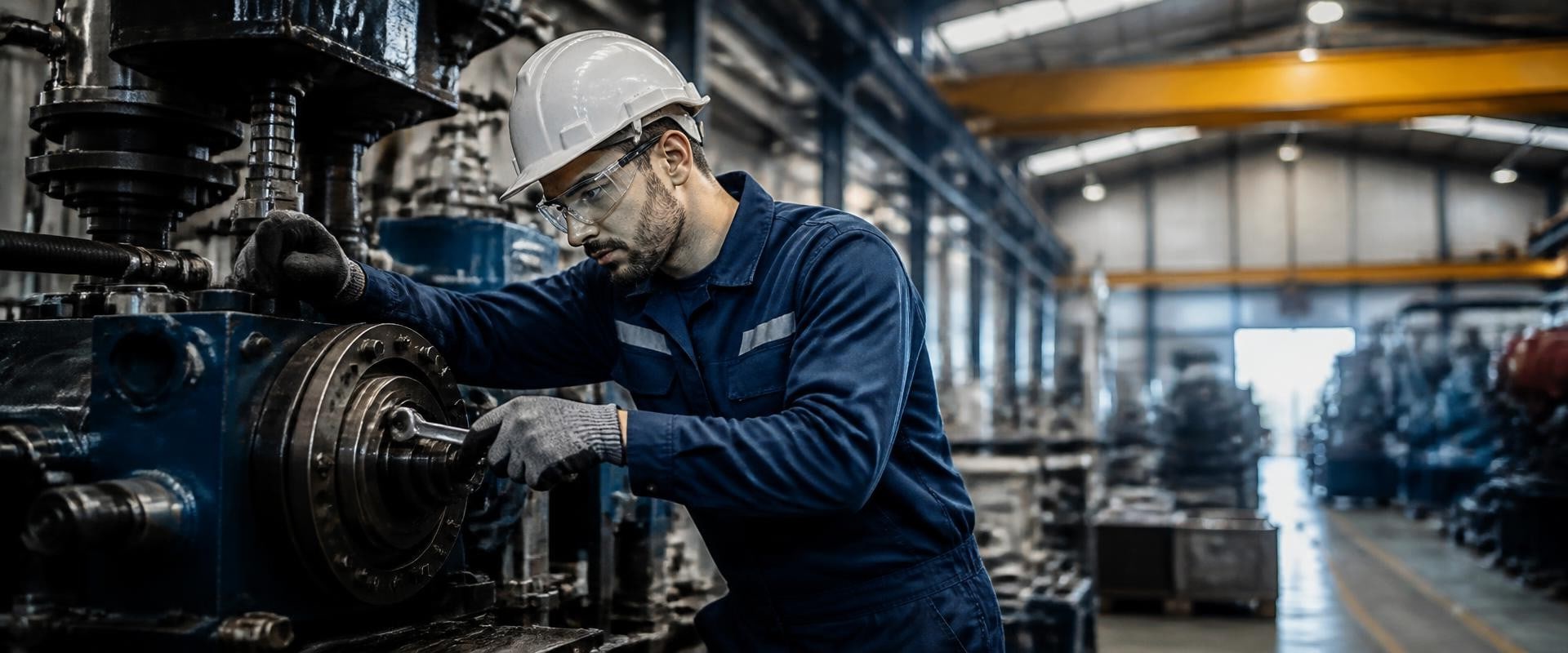
Industrial machinery services encompass a wide range of activities designed to maintain, repair, and optimize the performance of machinery used in various industrial sectors. These services are crucial for ensuring that equipment operates at peak efficiency, minimizing downtime, and extending the lifespan of valuable assets. In an era where operational efficiency is paramount, understanding the role of these services becomes essential for businesses aiming to enhance their productivity. The importance of industrial machinery services cannot be overstated. They not only help in identifying potential issues before they escalate into costly breakdowns but also facilitate regular maintenance that keeps machinery running smoothly.
This proactive approach allows companies to focus on their core operations without the constant worry of unexpected equipment failures. Furthermore, with advancements in technology, many service providers now offer predictive maintenance solutions that leverage data analytics to foresee equipment needs, thereby optimizing maintenance schedules and reducing unnecessary expenditures. As industries continue to evolve, the demand for specialized industrial machinery services grows. From manufacturing plants to construction sites, these services play a pivotal role in enhancing operational workflows and ensuring that production targets are met consistently. By investing in reliable machinery services, businesses can not only improve their productivity but also gain a competitive edge in their respective markets.
The Role of Maintenance in Productivity Enhancement
In the realm of industrial machinery services, regular maintenance plays a pivotal role in enhancing productivity.By implementing a structured maintenance schedule, businesses can significantly reduce the risk of unexpected breakdowns that lead to costly downtime.
Maintenance services
encompass a variety of tasks, including inspections, repairs, and replacements of worn-out parts. These proactive measures ensure that machinery operates at optimal efficiency. When equipment is well-maintained, it not only performs better but also consumes less energy, which translates to lower operational costs.Moreover, regular upkeep extends the lifespan of machinery. This longevity means that companies can maximize their investments in equipment without the need for frequent replacements.As a result, businesses can allocate resources more effectively, focusing on growth and innovation rather than on emergency repairs.
- Preventive Maintenance: Scheduled checks and servicing help identify potential issues before they escalate into major problems.
- Predictive Maintenance: Utilizing data analytics to predict when maintenance should be performed can further minimize downtime.
- Improved Safety: Well-maintained machinery reduces the risk of accidents, ensuring a safer working environment for employees.
Upgrades and Modernization of Equipment
Upgrading and modernizing industrial machinery is crucial for enhancing productivity in today’s competitive landscape. As technology evolves, older equipment can become a bottleneck, hindering operational efficiency and increasing maintenance costs. By investing in industrial machinery services that focus on upgrades, businesses can unlock significant improvements in performance and output.For instance, a manufacturing plant that upgraded its assembly line machinery saw a 30% increase in production speed after implementing state-of-the-art robotic systems.These robots not only reduced the time taken for repetitive tasks but also minimized human error, leading to higher quality products and less waste.Moreover, modernization often includes integrating smart technologies such as IoT sensors and data analytics. These tools provide real-time insights into machine performance, allowing for predictive maintenance and reducing downtime. A case study from a textile manufacturer revealed that after modernizing their equipment with IoT capabilities, they achieved a 25% reduction in unplanned outages, significantly boosting overall productivity.Another key aspect of upgrades is energy efficiency. Newer machines are designed to consume less energy while delivering higher output.
For example, a food processing company replaced its aging ovens with energy-efficient models, resulting in a 15% decrease in energy costs and an increase in production capacity.In summary, the importance of upgrading and modernizing industrial machinery cannot be overstated. By leveraging industrial machinery services, companies can enhance efficiency, reduce operational costs, and ultimately drive productivity gains that contribute to long-term success.
Training and Support Services for Operators
In the realm of industrial machinery services, the significance of comprehensive operator training and ongoing support services cannot be overstated. Proper training equips operators with the necessary skills to handle machinery efficiently, which directly correlates with enhanced productivity.Operator Training Programs
- Hands-on Experience: Practical training sessions allow operators to familiarize themselves with machinery, reducing the likelihood of errors during operation.
- Safety Protocols: Training emphasizes safety measures, ensuring that operators can work confidently without compromising their well-being or that of their colleagues.
- Technical Knowledge: Understanding the mechanics behind machinery enables operators to troubleshoot minor issues, minimizing downtime.
Support Services
- Continuous Learning: Ongoing support services provide access to updated training materials and resources, keeping operators informed about the latest technologies and best practices.
- Expert Assistance: Having access to technical support allows operators to resolve issues quickly, preventing prolonged disruptions in production.
- Performance Monitoring: Regular assessments and feedback help identify areas for improvement, fostering a culture of continuous enhancement in operational efficiency.
By investing in industrial machinery services that prioritize operator education and support, companies can significantly boost their overall productivity and operational success.
The Impact of Technology on Industrial Machinery Services
Advancements in technology have significantly transformed industrial machinery services, leading to enhanced productivity across various sectors. The integration of automation and the Internet of Things (IoT) has revolutionized how machinery is maintained, monitored, and operated.Automation in Machinery Services
Automation plays a crucial role in streamlining operations within industrial settings. By implementing automated systems, businesses can reduce human error, increase efficiency, and optimize resource allocation. For instance, automated diagnostics can quickly identify machinery issues, allowing for timely interventions that minimize downtime.This proactive approach not only enhances productivity but also extends the lifespan of equipment.
The Role of IoT
The IoT has further amplified the capabilities of industrial machinery services. With connected devices, companies can gather real-time data on machine performance and operational conditions. This data-driven insight enables predictive maintenance strategies, where potential failures are anticipated before they occur. As a result, organizations can schedule maintenance during non-peak hours, thereby avoiding costly interruptions.Benefits of Technology Integration
- Increased Efficiency: Automated processes reduce the time required for routine tasks.
- Enhanced Decision-Making: Real-time data analytics provide actionable insights for better operational decisions.
- Cost Savings: Predictive maintenance reduces repair costs and extends equipment life.
- Improved Safety: Automation minimizes human involvement in hazardous tasks, enhancing workplace safety.
By embracing automation and IoT, businesses are not only improving their operational efficiency but also positioning themselves for future growth in an increasingly competitive landscape.
Case Studies: Success Stories in Productivity Enhancement
In the realm of industrial machinery services, real-world success stories illustrate the profound impact these services can have on productivity. Here are a few notable case studies that highlight how companies have leveraged these services to enhance their operational efficiency.Case Study 1: Manufacturing Firm A
Manufacturing Firm A, a leader in automotive parts production, faced significant downtime due to equipment failures. By partnering with an industrial machinery service provider for regular maintenance and predictive analytics, they reduced unplanned downtime by 30%. This proactive approach not only improved their production schedule but also increased overall output by 15% within six months.Case Study 2: Food Processing Company B
Food Processing Company B struggled with inefficiencies in their packaging line.After implementing tailored industrial machinery services, including equipment upgrades and staff training, they achieved a 25% increase in packaging speed. The enhanced workflow allowed them to meet rising consumer demand without compromising quality.
Case Study 3: Construction Equipment Rental C
Construction Equipment Rental C utilized industrial machinery services to optimize their fleet management. By integrating IoT technology and real-time monitoring, they improved equipment utilization rates by 40%. This not only maximized their rental income but also reduced maintenance costs significantly.These examples underscore the transformative potential of industrial machinery services.By investing in these services, companies can not only resolve immediate operational challenges but also foster long-term productivity improvements that drive growth and competitiveness in their respective industries.
Frequently Asked Questions about Industrial Machinery Services
When considering industrial machinery services, many questions arise regarding their benefits, processes, and overall impact on productivity. Below are some frequently asked questions that can help clarify these aspects.- What are industrial machinery services?
Industrial machinery services encompass a range of activities including maintenance, repair, and optimization of machinery used in various industries. These services ensure that equipment operates efficiently and reliably, minimizing downtime and enhancing productivity. - How do these services improve productivity?
By providing regular maintenance and timely repairs, industrial machinery services help prevent unexpected breakdowns. This proactive approach allows businesses to maintain consistent production schedules and reduce operational disruptions. - What types of machinery can benefit from these services?
Almost any type of industrial machinery can benefit from specialized services, including but not limited to:- Manufacturing equipment
- Construction machinery
- Agricultural tools
- Logistics and transportation vehicles
- How often should machinery be serviced?
The frequency of service depends on the type of machinery and its usage.Generally, it is advisable to follow the manufacturer's recommendations or consult with a service provider to establish a tailored maintenance schedule.
- Can industrial machinery services help with compliance?
Yes, many industrial machinery services providers ensure that equipment meets industry standards and regulations. This compliance not only enhances safety but also helps avoid costly fines and legal issues.
Conclusion: The Future of Industrial Machinery Services and Productivity
As we look towards the future, it is clear that industrial machinery services will play a pivotal role in enhancing productivity across various sectors. The integration of advanced technologies, such as IoT and AI, into these services is set to revolutionize how industries operate.One of the key takeaways from our discussion is the importance of preventive maintenance.By proactively addressing potential issues before they escalate, businesses can significantly reduce downtime and maintain a steady workflow. This not only boosts productivity but also extends the lifespan of machinery.Moreover, the customization of industrial machinery services to meet specific operational needs allows companies to optimize their processes. Tailored solutions ensure that machinery operates at peak efficiency, which directly correlates with increased output and reduced operational costs.Additionally, training and support provided by service professionals empower employees to utilize machinery effectively. This knowledge transfer is crucial for maximizing productivity, as skilled operators can make informed decisions that enhance performance.In conclusion, the ongoing evolution of industrial machinery services is essential for businesses aiming to stay competitive in a rapidly changing market.
By embracing these services, companies not only enhance their productivity but also position themselves for future growth and innovation.