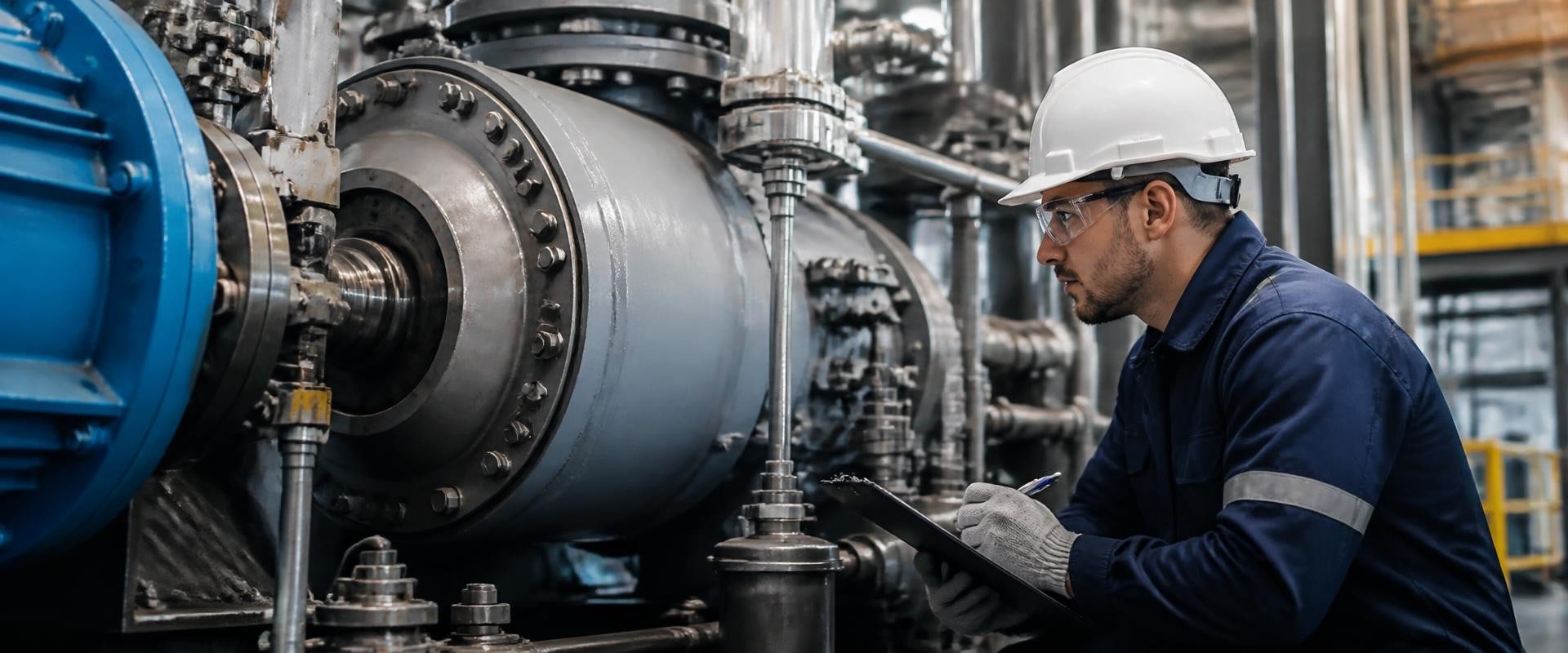
Industrial machinery services encompass a wide range of activities designed to maintain, repair, and optimize the performance of machinery used in various industrial sectors. These services are crucial for ensuring that equipment operates efficiently and safely, thereby minimizing downtime and maximizing productivity. From routine maintenance to emergency repairs, industrial machinery services play a pivotal role in the lifecycle of industrial equipment.The significance of industrial machinery services extends beyond mere functionality; they are integral to compliance with industry regulations and standards. Many industries, such as manufacturing, construction, and energy, are governed by strict safety and environmental regulations.
Regular servicing and maintenance help companies adhere to these regulations, reducing the risk of accidents and legal penalties. Furthermore, well-maintained machinery is less likely to contribute to environmental hazards, aligning with sustainability goals that many organizations strive to achieve.In addition to compliance, the importance of industrial machinery services lies in their ability to enhance operational efficiency. By ensuring that machinery is functioning at optimal levels, businesses can reduce operational costs and improve overall productivity. This not only benefits the bottom line but also fosters a culture of safety and reliability within the workplace.
As industries continue to evolve and face new challenges, the role of industrial machinery services will remain vital in navigating regulatory landscapes and achieving operational excellence.
The Importance of Compliance in Industrial Operations
In the realm of industrial operations, compliance with regulations is not merely a legal obligation; it is a fundamental aspect that can significantly impact the overall success and sustainability of a business. Adhering to established industrial regulations ensures that companies operate within the legal framework designed to protect workers, the environment, and the community at large.The importance of compliance can be summarized in several key points:- Legal Protection: Compliance helps organizations avoid legal penalties, including fines and sanctions, which can arise from violations of safety and environmental regulations.
- Financial Stability: Non-compliance can lead to costly litigation and damage to reputation, ultimately affecting profitability. Companies that prioritize compliance often experience lower insurance premiums and reduced operational risks.
- Operational Efficiency: Adhering to regulations often leads to improved processes and practices, enhancing productivity and reducing waste.
- Employee Safety: Compliance ensures that safety standards are met, protecting employees from hazardous conditions and fostering a culture of safety within the workplace.
- Market Competitiveness: Companies known for their commitment to compliance can gain a competitive edge, attracting clients who prioritize ethical practices.
A tarnished image can deter potential clients and partners, leading to lost opportunities in an increasingly competitive market.Moreover, regulatory bodies are continuously evolving their standards to address emerging challenges in industries. Therefore, staying informed about changes in industrial machinery services and compliance requirements is crucial for maintaining operational integrity. By investing in reliable industrial machinery services, companies can ensure they meet all necessary regulations while optimizing their operations.
How Industrial Machinery Services Facilitate Compliance
In today's highly regulated industrial landscape, industrial machinery services play a crucial role in helping companies navigate compliance with various regulations. These services not only ensure that machinery operates efficiently but also adhere to safety and environmental standards mandated by governing bodies.Regular Maintenance and Inspections
- One of the primary ways that industrial machinery services facilitate compliance is through regular maintenance.
Scheduled inspections help identify potential issues before they escalate, ensuring that equipment meets safety standards.
- By adhering to a strict maintenance schedule, companies can avoid costly fines and shutdowns due to non-compliance.
- Another critical aspect is the meticulous documentation provided by industrial machinery services. This includes maintenance logs, inspection reports, and compliance certificates.
- Having comprehensive records readily available not only aids in audits but also demonstrates a commitment to regulatory adherence.
- Industrial machinery services often include training programs for employees, ensuring they are well-versed in operating machinery safely and in compliance with regulations.
- This proactive approach minimizes human error, which is a common cause of compliance violations.
- As regulations evolve, so too must the machinery used in industrial settings. Industrial machinery services can assist companies in upgrading their equipment to meet new standards.
- This not only ensures compliance but also enhances operational efficiency and productivity.
Key Regulations Impacting Industrial Machinery Services
In the realm of industrial machinery services, understanding and adhering to key regulations is crucial for ensuring safety, efficiency, and compliance.Various regulations govern the operation and maintenance of industrial machinery across different sectors, each designed to protect workers, the environment, and the integrity of the machinery itself.Some of the most significant regulations impacting industrial machinery services include:
- Occupational Safety and Health Administration (OSHA) Standards: OSHA sets forth regulations that mandate safe working conditions. Compliance with these standards is essential for any service provider working with industrial machinery to minimize workplace hazards.
- Environmental Protection Agency (EPA) Regulations: The EPA enforces regulations that affect how industrial machinery operates concerning environmental protection. Services must ensure that machinery complies with emissions standards and waste disposal regulations.
- American National Standards Institute (ANSI) Standards: ANSI provides guidelines that help ensure the safety and performance of industrial equipment. Adhering to these standards is vital for service providers to maintain operational integrity.
- ISO Certifications: The International Organization for Standardization (ISO) offers various certifications that can enhance credibility and demonstrate compliance with international standards in quality management and safety.
For example:
- Aerospace Industry: Regulations from the Federal Aviation Administration (FAA) dictate stringent maintenance and operational standards for machinery used in aviation.
- Food Processing Industry: The Food and Drug Administration (FDA) imposes regulations that ensure machinery used in food production meets health and safety standards.
Case Studies: Successful Compliance Through Machinery Services
In the realm of industrial machinery services, numerous companies have successfully navigated the complex landscape of regulatory compliance through targeted interventions. Here are a few notable case studies that illustrate the effectiveness of these services.Case Study 1: Manufacturing Firm Achieves ISO Certification
A mid-sized manufacturing firm specializing in automotive components faced challenges in meeting ISO 9001 standards. By partnering with an industrial machinery service provider, they implemented a comprehensive audit and maintenance program. The service provider conducted a thorough assessment of their machinery, identifying areas that required upgrades and modifications to meet compliance standards.- Outcome: Within six months, the firm achieved ISO certification, significantly enhancing their market credibility and opening doors to new contracts.
Case Study 2: Food Processing Company Meets FDA Regulations
A food processing company struggled with compliance to FDA regulations regarding equipment sanitation and safety.They engaged an industrial machinery service that specialized in food-grade machinery. The service included regular inspections, cleaning protocols, and staff training on compliance practices.
- Outcome: The company not only passed their FDA inspection but also improved their operational efficiency by 20%, demonstrating that compliance can lead to enhanced productivity.
Case Study 3: Construction Equipment Compliance with OSHA Standards
A construction firm faced penalties due to non-compliance with OSHA standards related to heavy machinery operation. By utilizing an industrial machinery service, they received expert guidance on safety protocols and equipment modifications necessary for compliance.- Outcome: After implementing the recommended changes, the firm not only avoided further penalties but also reported a decrease in workplace accidents by 30% within a year.
Challenges in Achieving Compliance with Industrial Machinery Services
Achieving compliance with regulations in the realm of industrial machinery services can be fraught with challenges.Companies often encounter a variety of obstacles that can hinder their ability to meet regulatory standards effectively.
- Complex Regulatory Landscape: The regulations governing industrial machinery can vary significantly by industry and location. This complexity makes it difficult for companies to stay informed about the latest requirements, leading to potential non-compliance.
- Inadequate Training: Employees may lack the necessary training to operate machinery in compliance with safety standards. Without proper education on regulations and best practices, the risk of accidents and violations increases.
- Outdated Equipment: Many companies rely on older machinery that may not meet current compliance standards. Upgrading or retrofitting equipment can be costly and time-consuming, posing a significant challenge for businesses.
- Lack of Documentation: Compliance often requires extensive documentation to prove adherence to regulations.
Companies may struggle with maintaining accurate records, which can lead to difficulties during audits.
- Resource Constraints: Smaller companies may not have the financial or human resources necessary to implement comprehensive compliance programs, making it harder for them to adhere to regulations.
- Regular Training Programs: Implementing ongoing training for employees ensures they are aware of current regulations and best practices related to industrial machinery services.
- Investing in Modern Equipment: Upgrading machinery not only enhances productivity but also helps in meeting compliance standards more easily.
- Utilizing Compliance Management Software: Such tools can streamline documentation processes and help maintain accurate records, making audits less daunting.
- Consulting Experts: Engaging with compliance specialists or consultants can provide valuable insights into navigating the regulatory landscape effectively.
Future Trends in Industrial Machinery Services and Compliance
As industries evolve, the future trends in industrial machinery services are increasingly intertwined with compliance requirements. Emerging technologies are set to revolutionize how businesses approach regulatory adherence, ensuring that they not only meet current standards but also anticipate future changes.One significant trend is the integration of IoT (Internet of Things) devices within industrial machinery. These devices enable real-time monitoring of equipment performance and compliance metrics. By collecting data continuously, companies can identify potential compliance issues before they escalate, allowing for proactive maintenance and adjustments.Another promising development is the use of artificial intelligence (AI) and machine learning algorithms.These technologies can analyze vast amounts of data to predict compliance risks and suggest optimal operational practices. For instance, AI can help in assessing whether machinery is operating within the required safety parameters, thus minimizing the risk of violations.
Automation
is also playing a crucial role in enhancing compliance efforts. Automated systems can streamline reporting processes, ensuring that all necessary documentation is generated accurately and submitted on time. This reduces human error and helps maintain a clear audit trail, which is essential for regulatory inspections.Furthermore, the rise of sustainability initiatives is influencing compliance standards across various industries.
As regulations become more stringent regarding environmental impact, industrial machinery services are adapting by incorporating eco-friendly practices and technologies. This shift not only aids in compliance but also enhances corporate responsibility.In conclusion, the future of compliance in industry will heavily rely on these technological advancements within industrial machinery services. By embracing IoT, AI, automation, and sustainability practices, companies can ensure they remain compliant while also improving operational efficiency.
FAQs About Industrial Machinery Services and Compliance
When it comes to industrial machinery services, many businesses have questions about how these services can assist in maintaining compliance with various regulations. Below are some frequently asked questions that can help clarify this relationship.- What are industrial machinery services?
Industrial machinery services encompass a range of support activities, including maintenance, repair, and inspection of machinery used in manufacturing and production.These services ensure that equipment operates efficiently and meets safety standards.
- How do industrial machinery services contribute to regulatory compliance?
Regular maintenance and inspections provided by industrial machinery services help ensure that equipment adheres to safety regulations set by governing bodies. This proactive approach minimizes the risk of accidents and legal penalties. - What types of regulations should businesses be aware of?
Businesses must comply with various regulations, including OSHA (Occupational Safety and Health Administration) standards, EPA (Environmental Protection Agency) guidelines, and industry-specific regulations. Understanding these requirements is crucial for operational compliance. - Can industrial machinery services help with documentation?
Yes, reputable industrial machinery service providers often assist in maintaining accurate records of inspections, repairs, and maintenance activities. This documentation is essential for demonstrating compliance during audits. - What should I look for in an industrial machinery service provider?
When selecting a service provider, consider their experience with regulatory compliance, certifications, and ability to provide tailored solutions that meet your specific industry needs.
This knowledge not only helps in avoiding potential fines but also promotes a safer working environment.
Conclusion: The Critical Role of Industrial Machinery Services in Regulatory Compliance
In conclusion, industrial machinery services play a pivotal role in ensuring compliance with regulatory standards across various industries. As regulations become increasingly stringent, the need for reliable machinery services has never been more critical.Throughout this article, we have explored several key aspects that highlight the importance of these services:- Regular Maintenance: Consistent maintenance schedules help prevent equipment failures that could lead to non-compliance with safety and environmental regulations.
- Expert Inspections: Trained professionals conduct thorough inspections to identify potential issues before they escalate, ensuring that machinery operates within legal parameters.
- Documentation and Reporting: Industrial machinery services provide essential documentation that proves compliance during audits and inspections, safeguarding businesses from penalties.
- Training and Support: These services often include training for staff on best practices and regulatory requirements, fostering a culture of compliance within the organization.