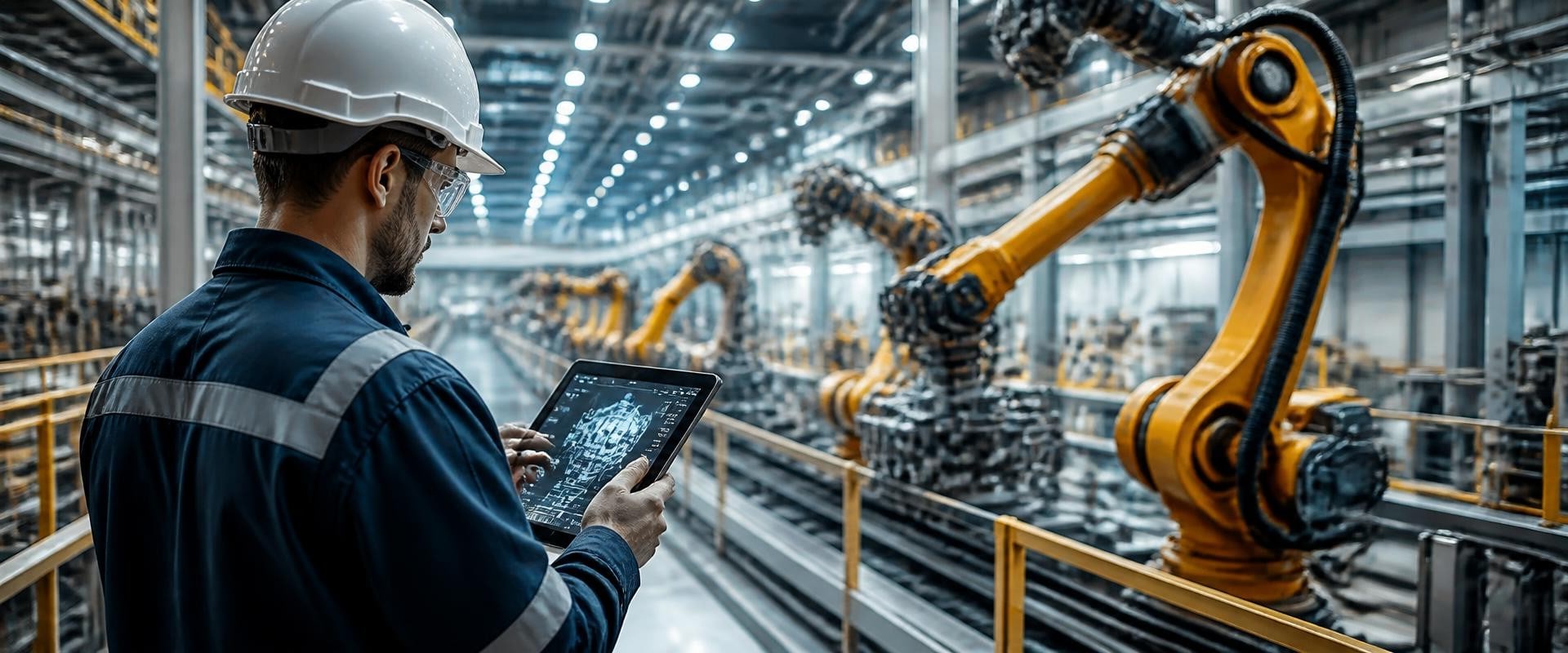
The landscape of industrial machinery services in the United States is currently characterized by a dynamic interplay of technological advancements, market demands, and evolving customer expectations. As industries increasingly rely on automation and precision engineering, the demand for specialized services that support machinery maintenance, repair, and optimization has surged. According to recent market analyses, the U.S. industrial machinery services sector is projected to grow significantly, driven by the need for enhanced operational efficiency and reduced downtime. Key players in this sector include established manufacturers and a growing number of service providers that specialize in predictive maintenance and IoT-enabled solutions.
These companies are leveraging data analytics to offer tailored services that not only address immediate repair needs but also anticipate future challenges. However, the industry faces several challenges, including a skilled labor shortage and the need for continuous adaptation to rapidly changing technologies. The integration of advanced technologies such as artificial intelligence and machine learning into service offerings is essential for staying competitive. Moreover, as sustainability becomes a focal point for many industries, industrial machinery services must also evolve to meet environmental standards and reduce waste. This shift presents both challenges and opportunities for service providers who can innovate their offerings to align with green practices.
Understanding these current trends and challenges is crucial for stakeholders looking to navigate the future landscape of industrial machinery services in the U.S.
Technological Advancements Shaping the Industry
The landscape of industrial machinery services is undergoing a significant transformation, driven by rapid technological advancements. Two key areas that are reshaping this sector are automation and the Internet of Things (IoT).Automation in Industrial Machinery
Automation has become a cornerstone of modern manufacturing processes. By integrating automated systems, companies can enhance efficiency, reduce operational costs, and minimize human error. For instance, robotic arms and automated assembly lines are increasingly common in factories, allowing for faster production rates and improved precision.This shift towards automation not only streamlines operations but also creates new opportunities for industrial machinery services.As machinery becomes more complex, the demand for specialized maintenance and support services will rise. Companies will need skilled technicians who can troubleshoot and repair advanced automated systems, leading to a growth in service-oriented roles within the industry.
The Impact of IoT on Machinery Services
The integration of the Internet of Things (IoT) into industrial machinery is another game-changer. IoT technology enables machines to communicate with each other and with centralized monitoring systems. This connectivity allows for real-time data collection and analysis, which can significantly enhance predictive maintenance strategies.- Predictive Maintenance: By leveraging IoT data, companies can anticipate equipment failures before they occur, reducing downtime and maintenance costs.
- Enhanced Performance Monitoring: Continuous monitoring of machinery performance helps identify inefficiencies and optimize operations.
- Data-Driven Decision Making: Access to real-time analytics empowers businesses to make informed decisions regarding machinery upgrades and service schedules.
Companies that embrace automation and IoT will not only improve their operational efficiency but also position themselves as leaders in a competitive market. The ability to adapt to these technological changes will be crucial for businesses aiming to thrive in the coming years.
Economic Factors Influencing Industrial Machinery Services
The landscape of industrial machinery services in the United States is significantly shaped by various economic factors. Understanding these influences is crucial for stakeholders aiming to navigate the future of this sector.Market Demand
One of the primary drivers of industrial machinery services is market demand, which fluctuates based on several economic indicators. As industries such as manufacturing, construction, and energy continue to evolve, the need for advanced machinery and reliable maintenance services grows.For instance, the resurgence of domestic manufacturing has led to increased investments in machinery, thereby boosting demand for associated services.
Investment Trends
Investment trends also play a pivotal role in shaping the future of industrial machinery services. With technological advancements such as automation and IoT (Internet of Things), companies are increasingly investing in smart machinery that requires specialized services. This shift not only enhances operational efficiency but also creates a demand for skilled technicians who can maintain and repair these sophisticated systems.- Increased Capital Expenditure: Many businesses are allocating more funds towards upgrading their machinery, which directly correlates with a rise in service requirements.
- Focus on Sustainability: As companies strive for greener operations, there is a growing need for services that optimize energy efficiency and reduce waste.
- Global Supply Chain Dynamics: The ongoing shifts in global supply chains due to geopolitical tensions and pandemics have prompted companies to reassess their machinery needs, further influencing service demand.
Regulatory Environment and Its Impact
The regulatory environment surrounding industrial machinery services in the United States is complex and continually evolving.Various federal and state regulations govern the operation, maintenance, and safety of industrial machinery, impacting service providers significantly.
Compliance challenges
are a major concern for companies in this sector. Service providers must navigate a myriad of regulations from agencies such as the Occupational Safety and Health Administration (OSHA) and the Environmental Protection Agency (EPA). These regulations often require extensive documentation, regular inspections, and adherence to strict operational protocols. Failure to comply can result in hefty fines and operational shutdowns, making it crucial for businesses to stay informed about regulatory changes.Safety Standards
Safety standards play a pivotal role in shaping the future of industrial machinery services.The implementation of rigorous safety protocols not only protects workers but also enhances operational efficiency. For instance, adherence to ANSI (American National Standards Institute) standards ensures that machinery is designed and maintained to minimize risks. As technology advances, new safety standards are likely to emerge, requiring service providers to adapt quickly.
- Increased Training Requirements: With evolving regulations, there will be a greater emphasis on training programs for technicians and operators to ensure compliance with safety standards.
- Technological Integration: The adoption of smart technologies can help companies monitor compliance in real-time, reducing the burden of manual checks.
- Sustainability Regulations: As environmental concerns grow, regulations aimed at reducing emissions and waste will likely become more stringent, impacting machinery design and operation.
Sustainability Trends in Industrial Machinery Services
As the industrial sector evolves, sustainability trends are becoming increasingly pivotal in shaping the future of industrial machinery services.Companies are recognizing that adopting eco-friendly practices is not just a regulatory requirement but also a competitive advantage. This shift is driven by both consumer demand for greener products and the need to reduce operational costs through energy efficiency.One of the most significant trends is the integration of green technology into machinery services. This includes the use of renewable energy sources, such as solar and wind power, to operate machinery and facilities. By transitioning to these sustainable energy options, companies can significantly lower their carbon footprint while also benefiting from long-term cost savings.
- Energy-efficient machinery: The development and adoption of energy-efficient machines are crucial.
These machines consume less power and often come with advanced features that optimize performance while minimizing waste.
- Recycling and waste management: Implementing robust recycling programs within machinery services helps in reducing waste. Companies are increasingly focusing on reusing parts and materials, which not only conserves resources but also aligns with sustainability goals.
- Smart technology: The rise of IoT (Internet of Things) in industrial machinery allows for real-time monitoring and predictive maintenance. This technology helps in identifying inefficiencies and potential failures before they occur, thereby reducing downtime and resource wastage.
As a result, the landscape of industrial machinery services is shifting towards a more responsible approach that prioritizes environmental stewardship.In conclusion, the future prospects for industrial machinery services in the US will heavily depend on how well companies can integrate sustainability into their operations. By embracing eco-friendly practices and investing in green technology, businesses can not only enhance their market position but also contribute positively to the environment.
Future Job Market and Skills Demand in Industrial Machinery Services
The future job market for industrial machinery services is poised for significant growth, driven by advancements in technology and an increasing demand for automation across various industries. As companies strive to enhance efficiency and reduce operational costs, the need for skilled professionals who can maintain and repair complex machinery will become even more critical.According to industry forecasts, the demand for technicians and engineers specializing in industrial machinery services is expected to rise substantially over the next decade. This growth is attributed to several factors:- Technological Advancements: The integration of smart technologies and IoT in industrial machinery requires a workforce that is adept at troubleshooting and maintaining these sophisticated systems.
- Aging Workforce: Many experienced professionals are nearing retirement, creating a gap that younger workers will need to fill.
- Increased Automation: As industries adopt more automated processes, the demand for skilled technicians who can manage and service these machines will escalate.
- Technical Proficiency: A strong foundation in mechanical and electrical systems is crucial.
Workers should be familiar with both traditional machinery and modern automated systems.
- Problem-Solving Skills: The ability to diagnose issues quickly and implement effective solutions will be highly valued.
- Adaptability: As technology continues to evolve, workers must be willing to learn new skills and adapt to changing environments.
- Communication Skills: Effective communication with team members and clients is vital for successful project execution.
Case Studies of Successful Adaptation in the Industry
As the landscape of industrial machinery services continues to evolve, several companies have emerged as leaders by successfully adapting to new challenges and opportunities.Here are a few notable case studies that illustrate effective adaptation strategies in the industry.
Case Study 1: XYZ Machinery Co.
XYZ Machinery Co. faced declining sales due to increased competition and changing customer preferences. To combat this, they implemented a comprehensive digital transformation strategy. By investing in advanced analytics and customer relationship management (CRM) systems, they gained valuable insights into customer needs and preferences.This allowed them to tailor their services more effectively, resulting in a 20% increase in customer retention rates over two years.
Case Study 2: ABC Equipment Services
ABC Equipment Services recognized the growing demand for sustainability in industrial operations. They adapted by developing eco-friendly machinery maintenance solutions that not only reduced environmental impact but also appealed to a broader customer base. Their commitment to sustainability led to partnerships with major corporations seeking to enhance their green initiatives, boosting their market share by 15%.Case Study 3: DEF Industrial Solutions
DEF Industrial Solutions took a proactive approach by embracing automation and IoT technologies. By integrating smart sensors into their machinery, they offered predictive maintenance services that minimized downtime for clients.This innovation not only improved operational efficiency but also positioned DEF as a leader in the industrial machinery services sector, resulting in a 30% growth in service contracts within one year.These case studies highlight that successful adaptation in the industrial machinery services sector requires a combination of technological innovation, customer-centric strategies, and a commitment to sustainability. Companies that embrace these principles are likely to thrive in an increasingly competitive market.
FAQs About Industrial Machinery Services' Future Prospects
As the landscape of industrial machinery services continues to evolve, several frequently asked questions arise regarding its future prospects. Here are some key inquiries and insights:- What is the future outlook for industrial machinery services?
The future of industrial machinery services appears promising, driven by advancements in technology and increasing demand for automation. As industries seek to enhance efficiency and reduce downtime, the reliance on specialized machinery services is expected to grow. - How will technology impact industrial machinery services?
Technological innovations such as IoT (Internet of Things), AI (Artificial Intelligence), and predictive maintenance are set to revolutionize the sector.These technologies will enable service providers to offer more proactive solutions, minimizing equipment failures and optimizing performance.
- What are the common challenges faced by industrial machinery service providers?
Service providers often encounter challenges such as skill shortages, rapid technological changes, and the need for continuous training. Addressing these issues will be crucial for maintaining competitiveness in the market. - Will sustainability play a role in the future of industrial machinery services?
Absolutely. As industries increasingly focus on sustainability, industrial machinery services will need to adapt by offering eco-friendly solutions and promoting energy-efficient practices. This shift not only meets regulatory requirements but also appeals to environmentally conscious consumers. - How can businesses prepare for changes in industrial machinery services?
Businesses should invest in training their workforce on new technologies, stay updated with industry trends, and foster partnerships with service providers that prioritize innovation.This proactive approach will ensure they remain competitive in a rapidly changing environment.