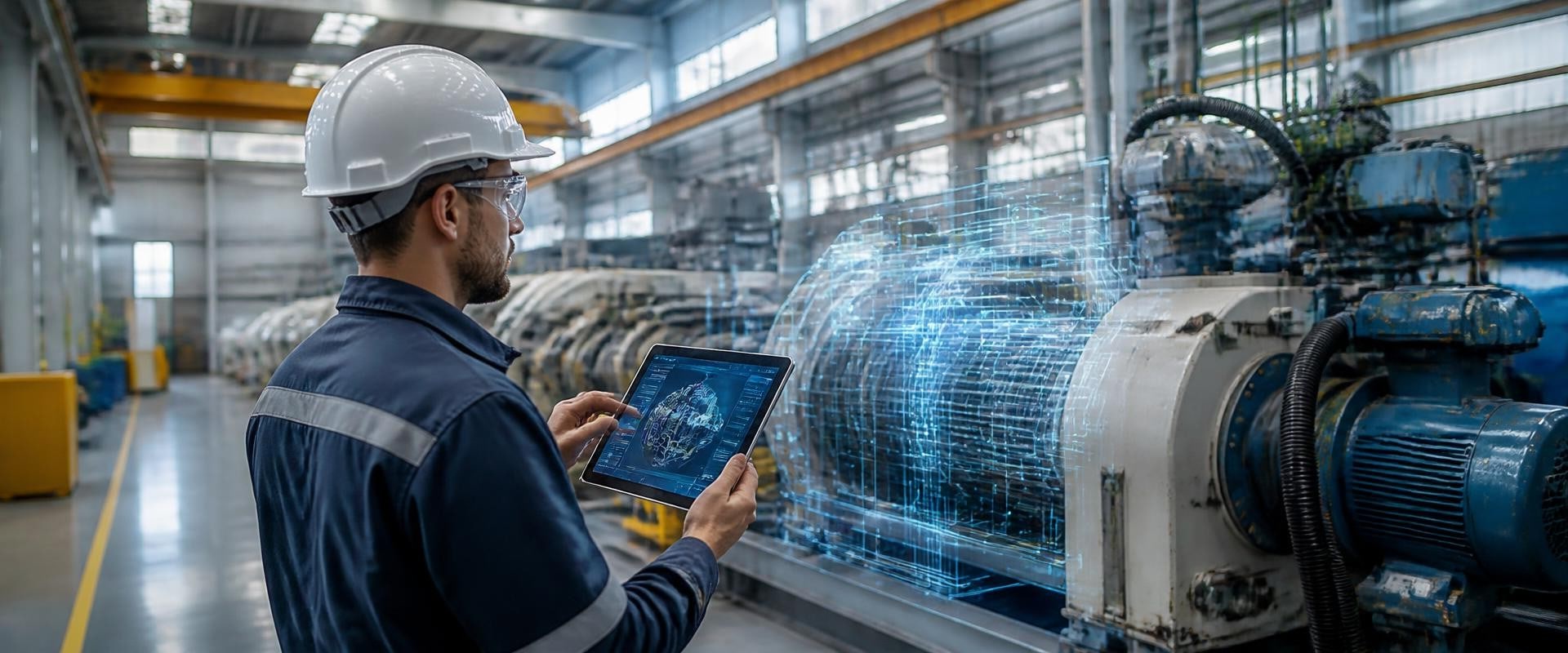
In today's rapidly evolving industrial landscape, digital transformation has emerged as a pivotal force reshaping the way businesses operate, particularly in the realm of industrial machinery services. This transformation encompasses the integration of advanced technologies such as the Internet of Things (IoT), artificial intelligence (AI), and big data analytics into traditional manufacturing processes. As industries strive for greater efficiency and productivity, understanding the implications of these technological advancements becomes crucial for stakeholders in the machinery sector. The relevance of digital transformation to industrial machinery cannot be overstated. It not only enhances operational efficiency but also enables predictive maintenance, reducing downtime and extending the lifespan of equipment.
By leveraging real-time data, companies can make informed decisions that optimize performance and minimize costs. Furthermore, this shift towards a more connected and automated environment fosters innovation, allowing businesses to adapt swiftly to market demands and customer expectations. As we delve deeper into this topic, it is essential to recognize that the implications of digital transformation extend beyond mere technological upgrades. They encompass a cultural shift within organizations, requiring a reevaluation of existing processes and a commitment to continuous improvement. Embracing this change is not just about adopting new tools; it involves cultivating a mindset that prioritizes agility and responsiveness in an increasingly competitive landscape.
In the following sections, we will explore how these transformations are specifically impacting industrial machinery services, paving the way for a more sustainable and efficient future.
The Role of IoT in Industrial Machinery Services
The integration of Internet of Things (IoT) technologies into industrial machinery services is revolutionizing the way industries operate. By embedding sensors and connectivity into machinery, companies can gather real-time data that enhances operational efficiency and predictive maintenance.Smart machinery services
leverage IoT to monitor equipment performance continuously. This capability allows for:- Real-time monitoring: Sensors collect data on various parameters such as temperature, vibration, and pressure, enabling operators to track the health of machinery in real time.
- Predictive maintenance: By analyzing data trends, companies can predict when a machine is likely to fail, allowing for maintenance to be scheduled before a breakdown occurs. This not only reduces downtime but also extends the lifespan of the equipment.
- Enhanced decision-making: Access to comprehensive data analytics empowers managers to make informed decisions regarding resource allocation, production schedules, and inventory management.
For instance, IoT-enabled machines can communicate with each other, creating a network of interconnected devices that optimize production processes. This interconnectivity leads to:
- Increased automation: Automated systems can adjust operations based on real-time data, improving efficiency and reducing human error.
- Cost savings: By minimizing unplanned downtime and optimizing resource use, companies can significantly reduce operational costs.
Data Analytics and Its Impact on Service Optimization
In the realm of industrial machinery services, the integration of data analytics has emerged as a game-changer, fundamentally altering how service optimization is approached. By leveraging vast amounts of data generated by machinery, companies can gain insights that were previously unattainable.Data analytics
enables organizations to monitor equipment performance in real-time, allowing for timely interventions that can prevent costly downtimes.This proactive approach is often referred to as predictive analytics, where historical data is analyzed to forecast potential failures before they occur. For instance, by examining patterns in machine operation and maintenance records, businesses can identify trends that indicate when a machine is likely to fail, thus scheduling maintenance at optimal times.Moreover, the application of data analytics extends beyond mere failure prediction. It also plays a crucial role in enhancing overall operational efficiency. By analyzing data related to machine usage, companies can:
- Optimize Maintenance Schedules: Tailoring maintenance activities based on actual machine performance rather than fixed schedules can lead to significant cost savings.
- Improve Resource Allocation: Understanding which machines are underperforming allows for better allocation of resources and personnel.
- Enhance Decision-Making: Data-driven insights empower managers to make informed decisions regarding equipment upgrades or replacements.
As organizations continue to embrace digital transformation, those that effectively utilize data analytics will not only enhance their service offerings but also gain a competitive edge in the market. The ability to predict issues before they arise and optimize service processes will ultimately lead to improved customer satisfaction and increased profitability.
Automation and Robotics in Machinery Services
The integration of automation and robotics into industrial machinery services is revolutionizing how companies approach maintenance, repair, and overall service delivery. By leveraging advanced technologies, businesses can enhance efficiency, reduce downtime, and improve service quality.Automation
in industrial services involves the use of software and machinery to perform tasks that were traditionally done by humans. This shift not only streamlines operations but also minimizes human error.For instance, automated diagnostic tools can quickly identify issues in machinery, allowing for faster response times and more accurate repairs.
Robotics
, on the other hand, plays a crucial role in executing complex tasks that require precision and consistency. In the context of machinery services, robots can be deployed for routine inspections, maintenance tasks, and even assembly processes. This not only enhances productivity but also allows human technicians to focus on more strategic activities.- Enhanced Efficiency: Automation reduces the time required for service delivery by enabling continuous operation without breaks.
- Improved Accuracy: Robotics ensures that tasks are performed with high precision, reducing the likelihood of errors.
- Cost Savings: By minimizing downtime and optimizing resource allocation, companies can significantly lower operational costs.
- Data-Driven Insights: Automated systems can collect and analyze data in real-time, providing valuable insights for predictive maintenance.
Challenges of Implementing Digital Transformation
Implementing digital transformation in industrial machinery services presents a myriad of challenges that organizations must navigate to achieve successful outcomes.Understanding these challenges is crucial for companies aiming to enhance their operational efficiency and service delivery. One of the primary barriers to implementation is the resistance to change. Employees accustomed to traditional methods may be hesitant to adopt new technologies, fearing job displacement or the need for extensive retraining. This cultural inertia can significantly slow down the transformation process. Another significant challenge is the integration of legacy systems. Many industrial machinery services rely on outdated technology that may not easily interface with modern digital solutions.
This incompatibility can lead to increased costs and extended timelines as companies work to bridge the gap between old and new systems. Additionally, there is often a lack of skilled workforce capable of managing advanced digital tools. The rapid pace of technological advancement means that many employees may not possess the necessary skills, leading to a skills gap that can hinder effective implementation.Data security and privacy concerns also pose significant challenges. As companies digitize their operations, they become more vulnerable to cyber threats. Ensuring robust cybersecurity measures are in place is essential but can be resource-intensive. Finally, financial constraints can limit the scope of digital transformation initiatives.
The initial investment required for new technologies, training, and infrastructure upgrades can be daunting, particularly for smaller organizations. In summary, while the potential benefits of digital transformation in industrial machinery services are substantial, companies must carefully address these challenges to realize their full potential.
Case Studies: Successful Digital Transformation in Industrial Machinery Services
Digital transformation has reshaped the landscape of industrial machinery services, enabling companies to enhance efficiency, reduce downtime, and improve customer satisfaction. Here are some notable case studies that illustrate successful implementations:1.Siemens: Predictive Maintenance
Siemens, a leader in industrial automation, implemented a predictive maintenance system across its manufacturing facilities. By utilizing IoT sensors and advanced analytics, Siemens was able to monitor machinery performance in real-time. This proactive approach allowed them to predict equipment failures before they occurred, significantly reducing unplanned downtime and maintenance costs.2.Caterpillar: Connected Equipment
Caterpillar has embraced digital transformation through its Cat Connect technology, which connects machinery to the cloud for real-time data analysis.This initiative enables customers to track equipment usage, monitor performance metrics, and receive alerts for maintenance needs. As a result, Caterpillar has improved service delivery and customer engagement while optimizing the lifecycle of their machinery.
3.John Deere: Data-Driven Insights
John Deere has successfully integrated digital tools into its industrial machinery services by leveraging data analytics to provide actionable insights to farmers. Their precision agriculture solutions utilize machine learning algorithms to analyze data from various sources, helping farmers make informed decisions about planting and harvesting. This not only enhances productivity but also fosters sustainable farming practices.4.ABB: Remote Monitoring Solutions
ABB has developed remote monitoring solutions that allow for continuous oversight of industrial machinery operations.By implementing cloud-based platforms, ABB can offer real-time diagnostics and support services to clients worldwide. This capability has led to improved operational efficiency and reduced response times for service interventions.These case studies exemplify how companies in the industrial machinery services sector are leveraging digital transformation to drive innovation and enhance service delivery. By adopting advanced technologies such as IoT, predictive analytics, and cloud computing, these organizations are not only improving their operational capabilities but also setting new standards in customer service.
Future Trends in Industrial Machinery Services Due to Digital Transformation
The landscape of industrial machinery services is rapidly evolving due to the ongoing wave of digital transformation. As industries embrace new technologies, several key trends are emerging that will shape the future of these services.1.Predictive Maintenance
One of the most significant trends is the shift towards predictive maintenance.By leveraging data analytics and IoT sensors, companies can monitor machinery in real-time, predicting failures before they occur. This proactive approach not only minimizes downtime but also reduces maintenance costs, enhancing overall operational efficiency.
2.Remote Monitoring and Support
With advancements in connectivity, remote monitoring has become a game-changer for industrial machinery services. Technicians can now diagnose issues and provide support from anywhere in the world. This capability not only speeds up response times but also allows for more efficient resource allocation.3.Integration of Artificial Intelligence
The integration of artificial intelligence (AI) into service operations is another trend gaining traction.AI algorithms can analyze vast amounts of data to identify patterns and optimize service schedules. This leads to improved decision-making and enhanced service delivery.
4.Enhanced Customer Experience
As digital tools become more prevalent, the focus on customer experience is intensifying. Companies are utilizing digital platforms to provide customers with real-time updates on service status, maintenance schedules, and performance metrics. This transparency fosters trust and strengthens customer relationships.5.Adoption of Augmented Reality (AR)
Augmented reality (AR) is poised to revolutionize training and support in industrial machinery services.Technicians can use AR glasses to overlay digital information onto physical equipment, facilitating quicker repairs and more effective training sessions.In conclusion, the implications of digiital transformation on industrial machinery services are profound. As these trends continue to evolve, companies that adapt will not only enhance their operational capabilities but also secure a competitive edge in the marketplace.
Conclusion: The Future Landscape of Industrial Machinery Services
As we look towards the future of industrial machinery services, it is clear that the implications of digital transformation are profound and far-reaching. The integration of advanced technologies such as IoT, AI, and big data analytics is not merely a trend; it is reshaping the very foundation of how services are delivered and managed in the industrial sector.One of the most significant outcomes of this transformation is the shift towards predictive maintenance. By leveraging real-time data from connected machinery, companies can anticipate failures before they occur, thereby minimizing downtime and reducing operational costs.This proactive approach not only enhances efficiency but also extends the lifespan of equipment.Moreover, digital transformation fosters greater collaboration between manufacturers and service providers. With enhanced communication channels and data sharing capabilities, stakeholders can work together more effectively to optimize performance and address challenges swiftly. This collaborative environment encourages innovation and drives continuous improvement in industrial machinery services.Additionally, the rise of remote monitoring and diagnostics has revolutionized service delivery. Technicians can now troubleshoot issues from afar, reducing the need for on-site visits and expediting response times.
This capability not only improves customer satisfaction but also allows service providers to allocate resources more efficiently.In conclusion, the future landscape of industrial machinery services will be characterized by increased automation, enhanced data utilization, and a stronger emphasis on customer-centric solutions. As companies continue to embrace digital transformation, those who adapt quickly will undoubtedly gain a competitive edge in an increasingly complex market.