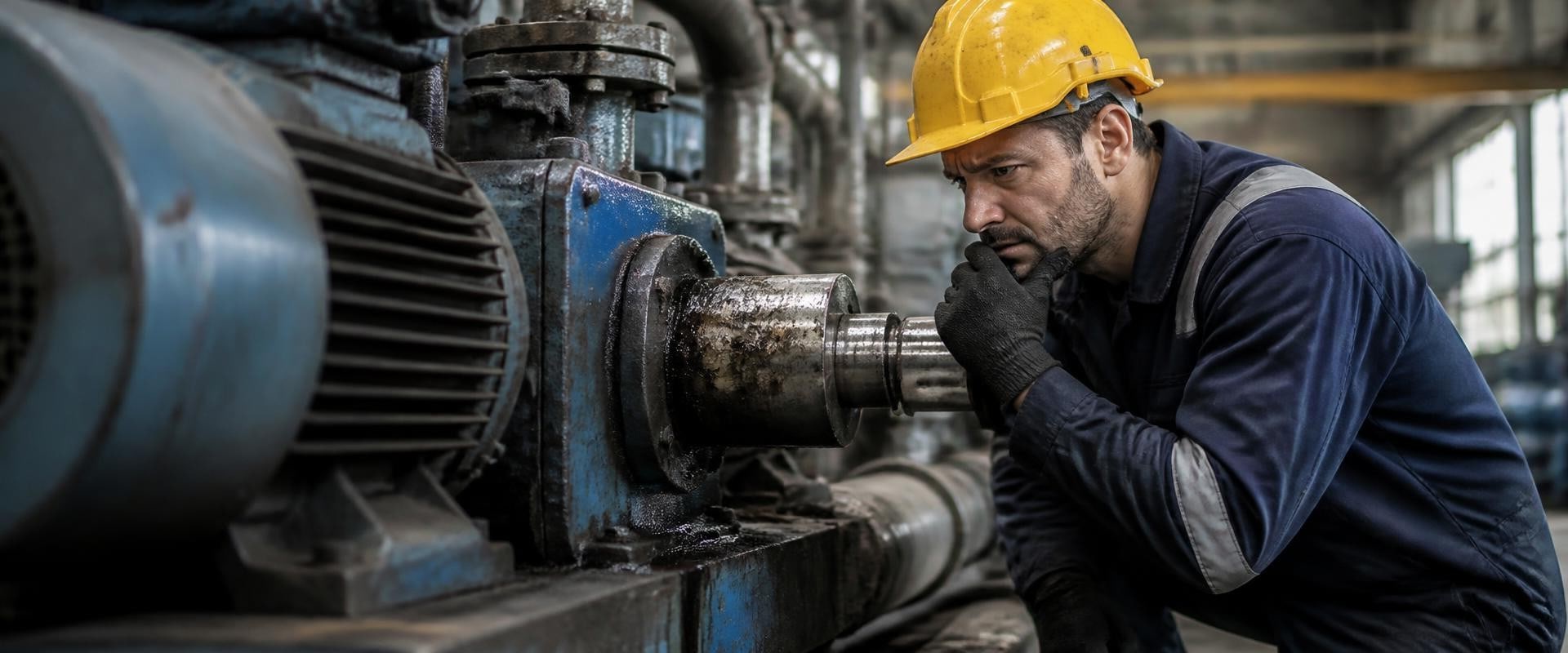
In the world of manufacturing and production, industrial machinery services play a crucial role in ensuring that equipment operates at peak efficiency. These services encompass a range of maintenance activities designed to prevent unexpected breakdowns and extend the lifespan of machinery. Regular servicing not only enhances performance but also safeguards against costly repairs that can arise from neglect. Understanding the importance of these services is essential for any business that relies on heavy machinery. Machinery maintenance is not merely a reactive measure; it is a proactive strategy that can significantly impact operational productivity.
By scheduling routine inspections and servicing, companies can identify potential issues before they escalate into major problems. This foresight allows businesses to maintain a steady workflow, reduce downtime, and ultimately save money. Moreover, well-maintained machinery operates more efficiently, which can lead to lower energy costs and improved output quality. The significance of servicing industrial machinery cannot be overstated. It is an investment in the future of your operations, ensuring that your equipment remains reliable and effective.
As industries evolve and technology advances, staying ahead with regular maintenance becomes even more critical. Embracing a culture of proactive care for your machinery not only enhances safety but also fosters a more sustainable operational environment.
Common Signs That Indicate Machinery Needs Servicing
Identifying when industrial machinery requires servicing is crucial for maintaining operational efficiency and preventing costly breakdowns. Here are some common signs that indicate your machinery may need attention:- Unusual Noises: If you start hearing strange sounds such as grinding, squeaking, or banging, it could be a sign of wear and tear on components that need lubrication or replacement.
- Decreased Performance: A noticeable drop in productivity or efficiency can indicate that machinery is not operating at its optimal level, often due to internal issues that require servicing.
- Increased Vibration: Excessive vibration can signal misalignment or imbalance in the machinery. This can lead to further damage if not addressed promptly.
- Fluid Leaks: Any signs of oil, hydraulic fluid, or coolant leaks should be taken seriously.
These leaks can lead to overheating and other serious mechanical failures.
- Warning Lights: Many modern machines come equipped with diagnostic systems that trigger warning lights when something is amiss. Ignoring these alerts can lead to more significant problems down the line.
- Frequent Breakdowns: If your machinery is breaking down more often than usual, it’s a clear indicator that regular maintenance is overdue.
Unusual Noises and Vibrations
When it comes to industrial machinery services, one of the most telling signs that your equipment may require servicing is the presence of unusual noises and vibrations. These indicators can often point to underlying issues that, if left unaddressed, could lead to more significant problems down the line.Unusual Noises:
- Grinding or Rattling Sounds: These noises can indicate that components are misaligned or that there is excessive wear on parts such as bearings or gears.
- Hissing or Whistling: Such sounds may suggest air leaks in pneumatic systems or issues with hydraulic lines, which can compromise efficiency.
- Banging or Clunking: This could be a sign of loose parts or a malfunctioning motor, both of which require immediate attention.
Machinery Vibrations:
In addition to unusual noises, abnormal vibrations can also signal that your machinery is in need of servicing. Here are some key points to consider:
- Increased Vibration Levels: If you notice a sudden increase in vibration levels, it may indicate an imbalance in rotating parts or failing bearings.
- Vibration Patterns: Consistent patterns of vibration can help diagnose specific issues.
For example, a steady vibration might suggest misalignment, while erratic vibrations could indicate more severe mechanical failures.
The Importance of Prompt Attention:
Addressing these signs promptly is crucial for maintaining the longevity and efficiency of your industrial machinery. Ignoring unusual noises and vibrations can lead to costly repairs and downtime. Regular monitoring and timely servicing not only enhance performance but also ensure safety in the workplace. If you notice any of these indicators, it’s advisable to consult with a professional who specializes in industrial machinery services.
Decreased Performance and Efficiency
One of the most telling signs that industrial machinery services are needed is a noticeable decrease in performance and efficiency.When machinery operates below its optimal capacity, it can lead to increased operational costs and reduced productivity.Several indicators can signal that your machinery is underperforming:
- Increased Cycle Times: If the time taken to complete tasks has lengthened, it may indicate that the machinery is struggling to operate efficiently.
- Higher Energy Consumption: A spike in energy usage without a corresponding increase in output can suggest that the machinery is working harder than necessary, often due to wear and tear.
- Frequent Breakdowns: If your equipment requires more frequent repairs or maintenance, it’s a clear sign that servicing is overdue.
- Noisy Operation: Unusual sounds such as grinding or clanking can indicate mechanical issues that affect performance.
- Poor Quality Output: If the quality of the products being produced declines, it may be time to assess the machinery for potential servicing needs.
Frequent Breakdowns and Repairs
One of the most telling signs that your industrial machinery requires servicing is the occurrence of frequent breakdowns. If your equipment is consistently failing or requiring repairs, it indicates that underlying issues may be developing, which can lead to more significant problems if not addressed promptly.Frequent breakdowns can stem from various factors, including:- Wear and Tear: Over time, components of machinery naturally degrade.
Regular use without adequate maintenance can accelerate this process.
- Improper Use: Operating machinery beyond its intended capacity or in unsuitable conditions can lead to premature failures.
- Lack of Maintenance: Neglecting routine checks and servicing can result in minor issues escalating into major malfunctions.
- Increased Repair Costs: If you find that repair expenses are rising significantly over a short period, it may be time to evaluate your maintenance schedule.
- Shortened Operational Time: A noticeable decrease in the time your machinery operates effectively before needing repairs is a clear sign of potential issues.
- Unusual Noises or Vibrations: Any abnormal sounds or vibrations during operation can indicate mechanical problems that require immediate attention.
Increased Energy Consumption
One of the most telling signs that your industrial machinery may require servicing is an increase in energy consumption. When machinery operates inefficiently, it often draws more power than necessary, leading to higher operational costs and potential long-term damage.Understanding the indicators of high energy usage can help you identify when it's time to seek industrial machinery services. Here are some key signs to watch for:- Unexplained Spikes in Energy Bills: If you notice a sudden increase in your energy bills without a corresponding rise in production, it could indicate that your machinery is not functioning optimally.
- Frequent Overheating: Machinery that overheats often consumes more energy as it struggles to maintain performance levels.
This can be a sign of worn-out components or inadequate lubrication.
- Inconsistent Performance: If your machinery is experiencing fluctuations in output or efficiency, it may be working harder than necessary, leading to increased energy consumption.
- Regular Maintenance Checks: If routine checks reveal that machinery requires more frequent repairs or adjustments, this could indicate underlying inefficiencies that are causing excessive energy use.
Visual Signs of Wear and Tear
Regular visual inspections of industrial machinery are crucial for identifying signs of wear and tear that may indicate the need for servicing.By being vigilant and proactive, operators can prevent minor issues from escalating into major problems that could disrupt operations.One of the first things to look for during a visual inspection is physical signs of damage. This can include:
- Cracks or fractures: Inspect components such as frames, casings, and supports for any visible cracks that could compromise structural integrity.
- Corrosion: Look for rust or corrosion on metal parts, which can weaken machinery and lead to failure if not addressed promptly.
- Leaks: Check for any fluid leaks around hydraulic systems or oil reservoirs, as these can indicate worn seals or damaged components.
- Excessive wear: Examine moving parts like belts, gears, and bearings for signs of excessive wear, such as fraying or uneven surfaces.
Establishing a routine schedule for these checks can help ensure that any signs of wear and tear are caught early. This not only prolongs the lifespan of the machinery but also enhances overall operational efficiency.In summary, being proactive about visually inspecting industrial machinery for signs of wear and tear is vital. By recognizing physical signs of damage and conducting regular maintenance checks, operators can significantly reduce the risk of unexpected breakdowns and costly repairs.
Regular Maintenance Schedules: Why They Matter
Establishing a regular maintenance schedule for industrial machinery is crucial for several reasons. First and foremost, it helps in identifying potential issues before they escalate into major problems.By adhering to a structured maintenance plan, operators can ensure that machinery operates at peak efficiency, reducing the likelihood of unexpected breakdowns.
Importance of Maintenance Schedules
- Prolongs Equipment Lifespan: Regular servicing can significantly extend the life of industrial machinery. Components that are routinely checked and maintained are less likely to wear out prematurely.
- Enhances Safety: Well-maintained machinery is safer for operators. Regular inspections can identify hazards such as leaks or faulty parts that could pose risks.
- Improves Productivity: Machines that are serviced regularly tend to operate more efficiently, leading to increased productivity and reduced downtime.
Regular Servicing Benefits
- Cost Savings: Preventive maintenance is often less expensive than emergency repairs. By investing in regular servicing, companies can avoid costly disruptions and repairs.
- Compliance with Regulations: Many industries have strict regulations regarding equipment maintenance.
Adhering to a maintenance schedule helps ensure compliance and avoid penalties.
- Data-Driven Decisions: Regular maintenance allows for the collection of performance data, which can inform future purchasing decisions and operational strategies.
Preventive Maintenance Strategies
Implementing effective preventive maintenance strategies is essential for maximizing the benefits of regular servicing. These strategies may include:
- Scheduling Routine Inspections: Set specific intervals for inspections based on manufacturer recommendations and operational demands.
- Training Staff: Ensure that staff are trained to recognize early signs of wear and tear, enabling them to report issues promptly.
- Utilizing Technology: Leverage technology such as predictive maintenance tools that use data analytics to forecast potential failures before they occur.
FAQs About Industrial Machinery Services
When it comes to industrial machinery services, many operators and managers have questions about the maintenance and servicing of their equipment. Here are some frequently asked questions that can help clarify common concerns:What are the signs that my machinery needs servicing?
There are several indicators that your industrial machinery may require servicing:- Unusual Noises: Grinding, squeaking, or knocking sounds can indicate mechanical issues.
- Decreased Performance: If machinery is operating slower than usual or not meeting production targets, it may need attention.
- Increased Energy Consumption: A sudden spike in energy usage can signal inefficiencies due to wear and tear.
- Visible Wear: Inspect for signs of rust, corrosion, or physical damage on the machinery.
- Frequent Breakdowns: If equipment is breaking down more often, it’s a clear sign that servicing is overdue.
How often should I schedule maintenance?
The frequency of maintenance depends on several factors including the type of machinery, usage intensity, and manufacturer recommendations.Generally, a good rule of thumb is to conduct preventive maintenance at least once every six months. However, high-use machines may require more frequent checks.
Can I perform maintenance myself?
While some basic maintenance tasks can be performed by trained personnel, such as cleaning and lubrication, it’s advisable to consult with professionals for more complex servicing. This ensures that all safety protocols are followed and that the machinery is serviced correctly.What should I do if I notice a problem?
If you observe any signs of malfunction or inefficiency, it’s crucial to address them immediately. Contact your industrial machinery services provider to schedule an inspection.Early intervention can prevent costly repairs and downtime.Understanding these common questions about industrial machinery services can help you maintain your equipment effectively and ensure optimal performance in your operations.
Conclusion: Ensuring Longevity Through Proactive Servicing
In conclusion, recognizing the signs that indicate when industrial machinery services are needed is crucial for maintaining operational efficiency and extending the lifespan of your equipment. By being vigilant and proactive, businesses can avoid costly downtime and ensure that their machinery operates at peak performance.Throughout this article, we have highlighted several key indicators that suggest your machinery may require servicing:- Unusual Noises: Grinding, squeaking, or clanking sounds can signal mechanical issues that need immediate attention.
- Decreased Performance: A noticeable drop in productivity or efficiency often points to underlying problems that could worsen if not addressed.
- Frequent Breakdowns: If your machinery is breaking down more often than usual, it’s a clear sign that regular maintenance is overdue.
- Increased Energy Consumption: A spike in energy usage can indicate that your equipment is working harder than it should, often due to wear and tear.
- Visible Wear and Tear: Regular inspections should reveal any physical damage or excessive wear that could compromise functionality.