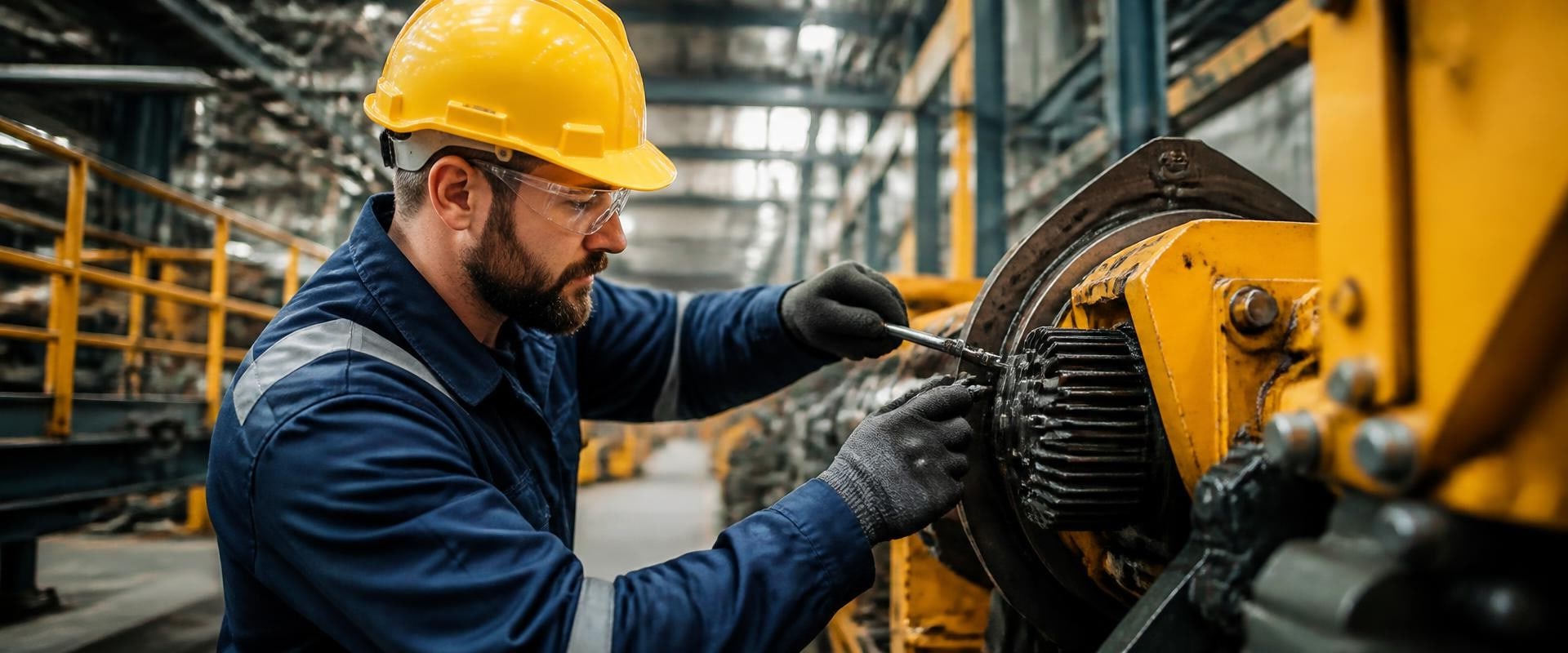
In today's fast-paced industrial landscape, industrial machinery services play a crucial role in ensuring operational efficiency and safety. These services encompass a wide range of activities, including maintenance, repair, and optimization of machinery used in various sectors such as manufacturing, construction, and logistics. By focusing on the upkeep and enhancement of equipment, businesses can not only prolong the lifespan of their machinery but also significantly reduce the risk of accidents and malfunctions that could jeopardize worker safety. Understanding what industrial machinery services entail is essential for any organization aiming to foster a safe working environment. These services typically include routine inspections, preventive maintenance, and emergency repairs, all tailored to meet the specific needs of the machinery in use.
By implementing a comprehensive service plan, companies can identify potential hazards before they escalate into serious issues, thereby safeguarding their workforce and minimizing downtime. The importance of industrial machinery services cannot be overstated. As industries evolve and technology advances, the complexity of machinery increases, making regular servicing more critical than ever. A well-maintained machine not only operates more efficiently but also contributes to a culture of safety within the workplace. When employees see that their equipment is cared for and functioning optimally, it fosters a sense of security and trust in their work environment.
The Role of Maintenance in Safety
Regular maintenance services for industrial machinery play a crucial role in enhancing workplace safety.By ensuring that equipment is functioning correctly, businesses can significantly reduce the risk of accidents and malfunctions that could lead to injuries or fatalities.One of the primary benefits of machinery maintenance is the identification and rectification of potential hazards before they escalate into serious issues. For instance, routine inspections can uncover wear and tear on critical components, such as belts, gears, and hydraulic systems. Addressing these problems proactively not only extends the lifespan of the machinery but also minimizes the likelihood of unexpected breakdowns that could endanger workers.
- Preventive Maintenance: Implementing a preventive maintenance schedule ensures that machinery is regularly checked and serviced. This approach helps in maintaining optimal performance levels and reduces the chances of equipment failure.
- Compliance with Safety Standards: Regular maintenance helps organizations comply with industry safety regulations.
Adhering to these standards not only protects employees but also shields companies from legal repercussions.
- Training and Awareness: Maintenance services often include training for operators on safe machinery use. Educating employees about proper handling techniques and potential hazards fosters a culture of safety within the workplace.
By addressing potential issues before they become critical, organizations can create a safer environment for their employees while also enhancing operational efficiency.
Training and Certification for Operators
In the realm of industrial machinery services, the significance of operator training and certification cannot be overstated. Proper training equips machinery operators with the necessary skills and knowledge to handle equipment safely and efficiently, thereby minimizing workplace accidents.Safety training programs
are essential components of this process. These programs not only cover the operational aspects of machinery but also emphasize safety protocols, emergency procedures, and hazard recognition. By participating in comprehensive training, operators learn to identify potential risks associated with their specific machinery, which is crucial for maintaining a safe working environment.The Role of Certification
Certification serves as a formal acknowledgment that an operator has successfully completed the required training and possesses the competencies needed to operate machinery safely.This credentialing process often involves both theoretical knowledge and practical assessments, ensuring that operators are well-prepared for real-world scenarios.
- Enhanced Skill Set: Certified operators are trained to handle machinery with precision, reducing the likelihood of errors that could lead to accidents.
- Regulatory Compliance: Many industries require operators to be certified to comply with safety regulations, thus avoiding legal repercussions.
- Increased Confidence: Well-trained operators tend to feel more confident in their abilities, which can lead to improved productivity and morale.
Implementing Safety Protocols and Standards
Implementing safety protocols and adhering to industry standards are crucial components of industrial machinery services.These measures not only protect employees but also enhance operational efficiency and compliance with regulations.To effectively implement safety protocols, organizations should consider the following steps:
- Risk Assessment: Conduct thorough assessments to identify potential hazards associated with machinery operations. This includes evaluating equipment, work environments, and employee practices.
- Training Programs: Develop comprehensive training programs that educate employees on safety procedures, proper machinery operation, and emergency response protocols. Regular refresher courses can help maintain awareness.
- Standard Operating Procedures (SOPs): Create clear SOPs that outline safe operating practices for each piece of machinery. Ensure these documents are easily accessible and regularly updated.
- Regular Inspections: Schedule routine inspections and maintenance of machinery to ensure compliance with industrial safety standards.
This proactive approach helps identify issues before they lead to accidents.
- Incident Reporting: Establish a system for reporting safety incidents and near misses. Analyzing these reports can provide insights into potential improvements in safety protocols.
A commitment to safety is an investment in the workforce and the future success of the organization.
Technology and Innovation in Machinery Services
In the realm of industrial machinery services, the integration of technology and innovation plays a pivotal role in enhancing workplace safety. As industries evolve, so do the tools and techniques employed to ensure that machinery operates not only efficiently but also safely.Advanced Monitoring Systems
- Modern machinery is equipped with real-time monitoring systems that track performance metrics and detect anomalies before they escalate into hazardous situations.
- These systems utilize sensors and IoT technology to provide immediate feedback, allowing for timely interventions that can prevent accidents.
Innovative Safety Solutions
- Automated safety protocols are increasingly being implemented in industrial settings. For instance, machines can be programmed to halt operations if a safety breach is detected, thereby protecting workers from potential harm.
- The use of augmented reality (AR) in training programs allows employees to engage with machinery in a simulated environment, enhancing their understanding of safety procedures without the risks associated with real-world operations.
Automation and Robotics
- The rise of automation in industrial machinery services has significantly reduced the need for human intervention in dangerous tasks. Robots can perform repetitive or hazardous jobs, minimizing the risk of injury to workers.
- Furthermore, automated systems can be programmed to follow strict safety guidelines, ensuring compliance with industry standards and regulations.
By embracing these innovations, companies can create safer work environments that prioritize the well-being of their employees while maintaining productivity.
Case Studies: Success Stories of Improved Safety
In the realm of industrial machinery services, numerous case studies highlight the significant impact these services can have on workplace safety. By examining real-world examples, we can better understand how targeted interventions lead to enhanced safety protocols and reduced incidents.Case Study 1: Manufacturing Plant Overhaul
A leading manufacturing plant faced frequent accidents due to outdated machinery and inadequate safety measures. By partnering with an industrial machinery service provider, they implemented a comprehensive safety audit followed by a machinery upgrade. The service included:- Installation of advanced safety guards on all machines.
- Regular maintenance schedules to ensure optimal performance.
- Employee training programs focused on safe operation practices.
Case Study 2: Construction Site Safety Enhancement
A construction company struggled with high injury rates attributed to equipment malfunctions.They engaged an industrial machinery service that specialized in predictive maintenance. This approach involved:
- Utilizing IoT sensors to monitor equipment health in real-time.
- Implementing a data-driven maintenance schedule based on usage patterns.
- Conducting regular safety drills and equipment handling workshops.
Case Study 3: Warehouse Automation Integration
A large warehouse sought to improve safety as they transitioned to automated systems. By leveraging industrial machinery services, they achieved:- Integration of automated guided vehicles (AGVs) for material handling.
- Enhanced visibility through improved lighting and signage around automated zones.
- Training sessions for staff on interacting safely with automated systems.
Frequently Asked Questions about Industrial Machinery Services and Safety
When it comes to industrial machinery services, many questions arise regarding their role in enhancing workplace safety.Below are some frequently asked questions that can help clarify these important aspects.
- What are industrial machinery services?
Industrial machinery services encompass a range of activities including maintenance, repair, and inspection of machinery used in various industries. These services ensure that equipment operates efficiently and safely, minimizing the risk of accidents. - How do these services improve workplace safety?
Regular maintenance and timely repairs reduce the likelihood of machinery malfunctions, which can lead to hazardous situations. By ensuring that all equipment meets safety standards, industrial machinery services play a crucial role in protecting workers. - What are common safety concerns in machinery operations?
Common concerns include equipment failure, improper use of machinery, and lack of operator training. Addressing these issues through comprehensive service programs can significantly mitigate risks. - How often should machinery be serviced?
The frequency of servicing depends on the type of machinery and its usage.However, a general guideline is to conduct inspections at least once a year, with more frequent checks for high-use equipment.
- Can training be included in industrial machinery services?
Yes, many service providers offer training programs for operators. This training is essential for ensuring that employees understand how to operate machinery safely and recognize potential hazards.
Conclusion: The Future of Workplace Safety with Industrial Machinery Services
In conclusion, the role of industrial machinery services in enhancing workplace safety cannot be overstated. As industries continue to evolve, the integration of advanced machinery and technology necessitates a proactive approach to safety management.Throughout this article, we have explored various aspects of how these services contribute to a safer working environment.
Regular maintenance
and timely inspections are crucial components of industrial machinery services. By ensuring that equipment is functioning correctly, businesses can significantly reduce the risk of accidents caused by machinery failure. Moreover, implementing a routine maintenance schedule not only extends the lifespan of the equipment but also fosters a culture of safety among employees.Furthermore, training and education provided by industrial machinery service providers empower workers with the knowledge they need to operate equipment safely. This training often includes best practices for handling machinery, recognizing potential hazards, and responding effectively in emergency situations.As a result, employees become more confident and competent in their roles, which directly correlates with a decrease in workplace incidents.Additionally, the adoption of innovative technologies, such as predictive maintenance tools and safety monitoring systems, enhances the ability to foresee potential issues before they escalate into serious problems. These technologies allow for real-time data analysis and reporting, enabling companies to make informed decisions regarding their machinery and safety protocols.As we look to the future, it is clear that industrial machinery services will play an increasingly vital role in shaping workplace safety standards. By prioritizing these services, organizations not only comply with regulatory requirements but also demonstrate a commitment to the well-being of their workforce. Ultimately, investing in industrial machinery services is an investment in a safer, more productive workplace.