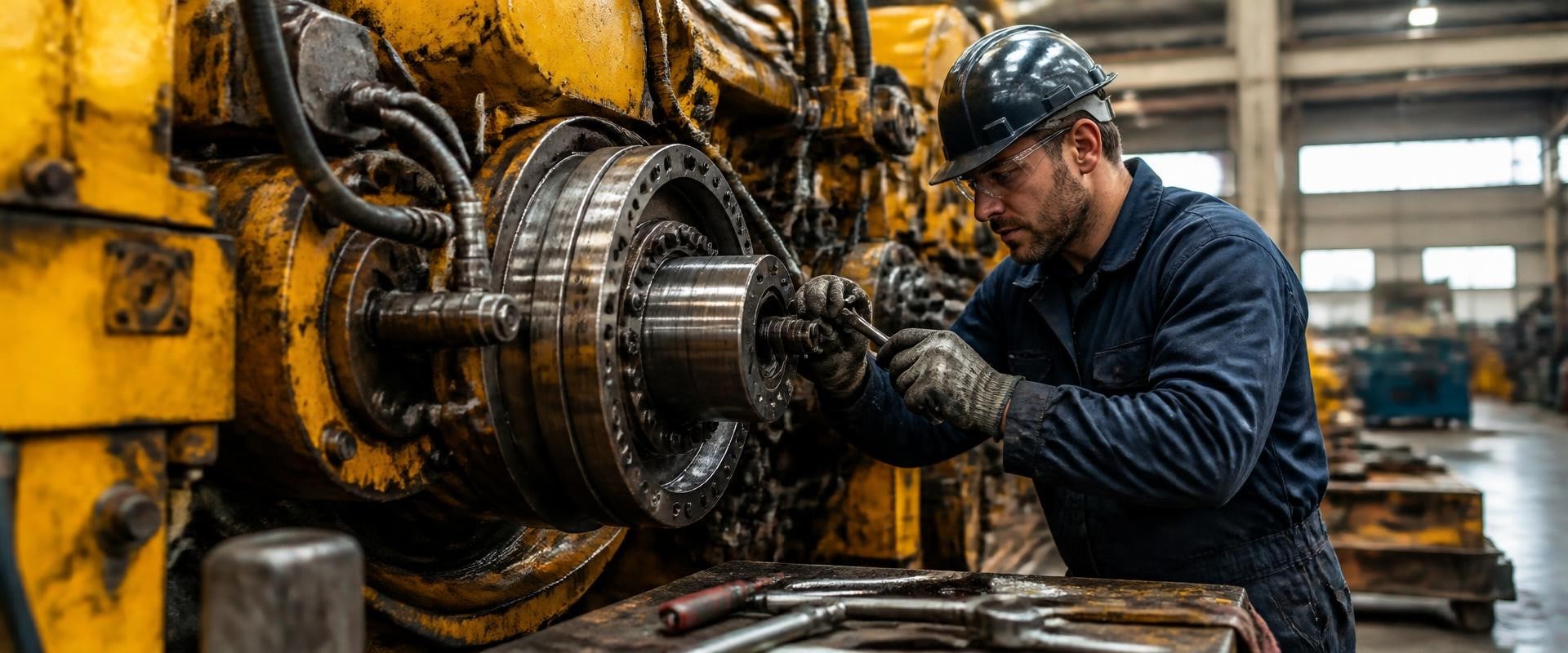
In the fast-paced world of manufacturing and production, industrial machinery services play a crucial role in ensuring operational efficiency and minimizing downtime. These services encompass a wide range of activities, including routine maintenance, emergency repairs, and comprehensive overhauls of machinery used across various sectors such as construction, agriculture, and manufacturing. Understanding the significance of these services is essential for businesses aiming to maintain their competitive edge. The average cost of industrial machinery services can vary significantly based on several factors, including the type of machinery, the complexity of the service required, and the geographical location of the service provider. For instance, heavy machinery like excavators or industrial presses may require specialized technicians and parts, which can drive up costs.
Additionally, regular maintenance can prevent costly breakdowns and extend the lifespan of equipment, making it a wise investment for any business. As we delve deeper into this topic, we will explore the various aspects that influence service pricing, including labor rates, parts costs, and the frequency of maintenance required. By gaining a clearer understanding of these factors, businesses can better budget for their machinery needs and make informed decisions about when to seek professional services. This knowledge not only aids in financial planning but also enhances operational reliability in an increasingly competitive market.
Factors Influencing the Cost of Industrial Machinery Services
The cost of industrial machinery services can vary significantly based on several key factors. Understanding these factors is crucial for businesses looking to budget for maintenance and repair services effectively.- Type of Machinery: Different types of machinery require varying levels of expertise and resources for servicing.
For instance, heavy equipment like excavators or cranes may incur higher service costs compared to smaller machinery due to their complexity and the specialized skills needed for repairs.
- Service Complexity: The complexity of the service required also plays a significant role in determining costs. Routine maintenance tasks, such as oil changes or filter replacements, are generally less expensive than extensive repairs that may involve disassembling machinery or replacing major components.
- Geographical Location: The location of the service provider can influence pricing as well. Urban areas may have higher labor rates due to increased demand and cost of living, while rural areas might offer more competitive pricing but could have limited service options.
- Service Provider Experience: The experience and reputation of the service provider can affect costs. Established companies with a proven track record may charge more for their services, but they often provide higher quality work and faster turnaround times.
- Parts Availability: The availability of replacement parts can also impact service costs.
If parts are readily available, the overall cost may be lower; however, if parts need to be specially ordered or are hard to find, this can lead to increased expenses.
Average Costs of Different Types of Industrial Machinery Services
Understanding the average costs associated with different types of industrial machinery services is crucial for businesses looking to budget effectively. The costs can vary significantly based on the type of service required, the machinery involved, and the complexity of the task.Types of Industrial Machinery Services
- Repair Services: The average cost for machinery repair can range from $75 to $150 per hour, depending on the technician's expertise and the machinery's complexity. For instance, repairing a CNC machine may cost between $500 and $2,000, while simpler equipment like forklifts might only require $300 to $800 for repairs.
- Maintenance Services: Regular maintenance is essential for prolonging the life of industrial machinery. Scheduled maintenance services typically cost between $100 and $300 per visit.
Comprehensive maintenance contracts can range from $1,000 to $5,000 annually, depending on the number of machines and frequency of service.
- Installation Services: Installing new machinery can be a significant investment. Installation costs can vary widely, averaging between $1,000 and $10,000 based on the type of equipment and installation complexity. For example, installing a large industrial press may cost upwards of $15,000.
Factors Influencing Costs
The overall pricing for industrial machinery services is influenced by several factors:- Type of Machinery: Different machines have varying service requirements and complexities.
- Location: Service costs can differ based on geographical location due to labor rates and availability of technicians.
- Service Provider: Established companies may charge more due to their reputation and quality assurance.
Comparing Costs: In-House vs. Outsourced Industrial Machinery Services
When it comes to managing industrial machinery services, businesses often face a critical decision: should they maintain an in-house team or outsource these services? Each option presents distinct advantages and challenges that can significantly impact both costs and operational efficiency.Cost Comparison
In-house teams typically require substantial upfront investments, including salaries, benefits, training, and equipment.For instance, hiring skilled technicians can cost anywhere from $50,000 to $80,000 annually per employee, not including overhead costs such as insurance and facility maintenance. Additionally, companies must invest in ongoing training to keep their staff updated on the latest technologies and safety protocols.On the other hand, outsourcing industrial machinery services can provide a more flexible financial model. Businesses can pay for services as needed, which can lead to significant savings, especially for companies that do not require constant machinery maintenance. Outsourcing costs can vary widely based on the complexity of the service required but generally range from $75 to $150 per hour for specialized technicians.
Service Efficiency
While cost is a crucial factor, service efficiency should also be considered.In-house teams may offer quicker response times and a deeper understanding of the specific machinery used within the company. This familiarity can lead to faster troubleshooting and repairs, minimizing downtime.Conversely, outsourced services often come with the advantage of access to a broader range of expertise and advanced technologies that an in-house team may lack. Outsourcing firms typically employ specialists who are trained in various types of machinery and can provide insights that enhance operational efficiency.Ultimately, the decision between in-house versus outsourced industrial machinery services should be based on a thorough analysis of both immediate costs and long-term operational goals. Companies must weigh the benefits of having dedicated personnel against the flexibility and potential cost savings offered by outsourcing.
Regional Variations in Industrial Machinery Service Costs
The cost of industrial machinery services in the United States can vary significantly based on geographical location.Understanding these regional variations is crucial for businesses looking to budget effectively for maintenance and repairs.
Key Factors Influencing Regional Costs:
- Labor Rates: Urban areas typically have higher labor costs due to the increased cost of living. For instance, cities like New York and San Francisco may see service rates that are 20-30% higher than those in rural areas.
- Availability of Services: Regions with a higher concentration of industrial activity, such as the Midwest and Southeast, often have more service providers, which can lead to competitive pricing. Conversely, remote areas may face higher costs due to limited service options.
- Type of Machinery: The specific type of machinery being serviced can also influence costs. Specialized equipment may require technicians with specific expertise, which can drive up prices in regions where such expertise is scarce.
Regional Pricing Examples:
- Northeast: In states like Massachusetts and New Jersey, average service costs can range from $150 to $250 per hour due to high demand and labor costs.
- Midwest: Areas such as Ohio and Indiana often enjoy lower rates, averaging between $100 and $175 per hour, thanks to a robust manufacturing base and competitive service providers.
- South: States like Texas and Florida may see rates similar to the Midwest, but urban centers like Houston can push prices higher due to increased demand.
- West: The West Coast, particularly California, tends to have some of the highest service costs, often exceeding $200 per hour in major cities.
Businesses should conduct thorough research on local service providers and their pricing structures to ensure they are making informed decisions that align with their operational needs.
Common FAQs About Industrial Machinery Services Costs
When it comes to industrial machinery services, many business owners have questions regarding the costs involved. Here are some of the most frequently asked questions that can help clarify common concerns and misconceptions.What factors influence the cost of industrial machinery services?
The cost of industrial machinery services can vary significantly based on several factors, including:- Type of machinery: Different machines require different levels of expertise and parts, which can affect pricing.
- Service type: Routine maintenance, emergency repairs, and installation services each come with their own pricing structures.
- Location: Service costs can vary by region due to labor rates and transportation expenses.
- Service provider: Established companies may charge more due to their reputation and experience.
How much should I expect to pay for routine maintenance?
Routine maintenance is essential for prolonging the life of your machinery. On average, businesses can expect to pay between $100 to $300 per hour for maintenance services. This can include inspections, lubrication, and minor repairs.However, costs may vary based on the complexity of the machinery and the specific services required.
Are there any hidden costs associated with industrial machinery services?
Yes, there can be hidden costs in industrial machinery services. These may include:- Travel fees: Some service providers charge for travel time if they need to come from a distant location.
- Parts and materials: The cost of replacement parts can add significantly to the overall bill.
- Emergency service fees: If you require immediate assistance outside of regular business hours, expect to pay a premium.
How can I get an accurate estimate for my specific needs?
The best way to obtain an accurate estimate is to contact multiple service providers for quotes. Be sure to provide detailed information about your machinery and the specific services you require. This will help ensure that you receive comparable estimates that reflect your unique situation.Understanding these common questions about industrial machinery services costs can help you make informed decisions and budget effectively for your business needs.Conclusion: Key Takeaways on Industrial Machinery Service Costs
Understanding the costs associated with industrial machinery services is crucial for businesses aiming to optimize their operations and budget effectively.Throughout this article, we have explored various factors that influence these costs, providing a comprehensive overview for decision-makers.
Key Takeaways:
- Service Type Matters: The type of service required—be it routine maintenance, emergency repairs, or specialized installations—significantly impacts pricing. Businesses should assess their specific needs to determine the most cost-effective solutions.
- Regional Variations: Costs can vary widely across different regions in the United States. Factors such as local labor rates, availability of skilled technicians, and regional demand for services play a pivotal role in determining overall expenses.
- Equipment Age and Condition: Older machinery may require more frequent servicing and repairs, leading to higher long-term costs. Investing in newer equipment can sometimes reduce service frequency and associated costs.
- Preventive Maintenance: Implementing a preventive maintenance program can save businesses significant amounts over time by reducing the likelihood of unexpected breakdowns and costly repairs.
- Vendor Selection: Choosing the right service provider is essential.
Comparing quotes, checking references, and evaluating service quality can lead to better pricing and more reliable service.