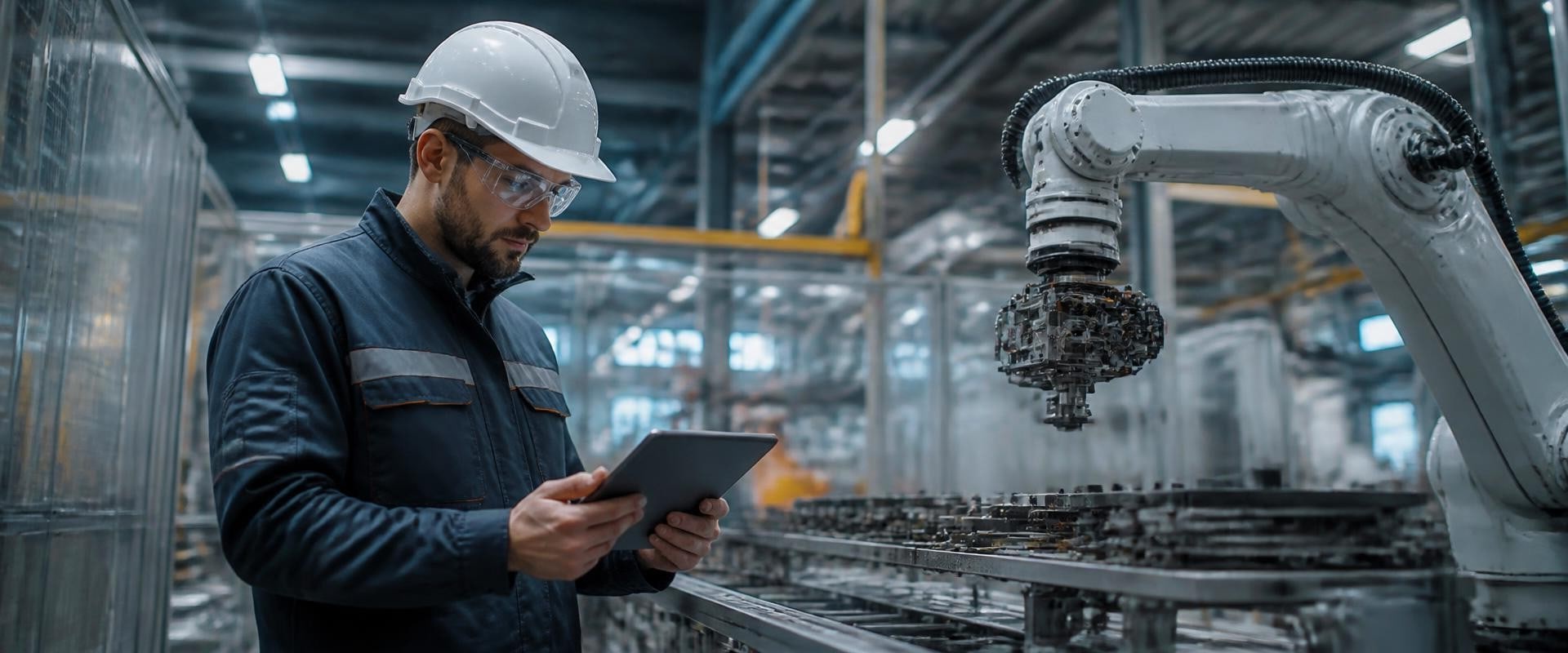
In the rapidly evolving landscape of manufacturing, industrial machinery services play a pivotal role in ensuring operational efficiency and productivity. These services encompass a wide range of activities, including maintenance, repair, and optimization of machinery used in various industrial processes. By providing essential support to equipment, these services not only extend the lifespan of machinery but also enhance performance, ultimately contributing to the overall success of manufacturing operations. The significance of industrial machinery services cannot be overstated. As industries strive for greater efficiency and reduced downtime, the demand for specialized services that can address complex machinery issues has surged.
This growing reliance on expert services highlights the importance of having skilled technicians who understand the intricacies of industrial equipment and can implement effective solutions tailored to specific operational needs. Moreover, as we delve deeper into the integration of these services with automation technologies, it becomes clear that they are not just standalone offerings but rather integral components of a larger ecosystem. The synergy between industrial machinery services and automation technologies is reshaping how manufacturers approach production, leading to smarter, more responsive systems that can adapt to changing demands. Understanding this relationship is crucial for businesses aiming to leverage technology for enhanced operational outcomes.
The Role of Automation Technologies in Industry
In today's industrial landscape, automation technologies play a pivotal role in enhancing efficiency and productivity. These technologies encompass a range of systems and tools designed to automate processes, reduce human intervention, and optimize operations.Types of Automation Technologies
- Robotics: Industrial robots are increasingly used for tasks such as assembly, welding, and packaging.
Their precision and speed significantly reduce production times and minimize errors.
- Internet of Things (IoT): IoT devices enable real-time monitoring and data collection from machinery. This connectivity allows for predictive maintenance, reducing downtime and extending the lifespan of equipment.
- Artificial Intelligence (AI): AI algorithms analyze vast amounts of data to optimize processes, forecast demand, and improve decision-making. This technology can adapt to changing conditions, making operations more agile.
Benefits of Automation
The integration of automation technologies into industrial machinery services offers numerous advantages:- Increased Efficiency: Automation streamlines workflows, allowing for faster production cycles and higher output.
- Cost Reduction: By minimizing labor costs and reducing waste, automation can lead to significant savings over time.
- Enhanced Safety: Automating hazardous tasks reduces the risk of workplace injuries, creating a safer environment for employees.
- Improved Quality: Automated systems ensure consistent quality by minimizing human error and maintaining strict adherence to specifications.
How Industrial Machinery Services Incorporate Automation
As industries evolve, the integration of industrial machinery services with automation technologies has become increasingly vital for enhancing operational efficiency and productivity. This synergy not only streamlines processes but also reduces downtime and maintenance costs.Integration Strategies
- Predictive Maintenance: By utilizing IoT sensors and data analytics, industrial machinery services can predict equipment failures before they occur.
This proactive approach minimizes unexpected breakdowns and extends the lifespan of machinery.
- Real-Time Monitoring: Automation technologies enable real-time monitoring of machinery performance. This allows service providers to quickly identify issues and implement solutions, ensuring optimal operation.
- Automated Reporting: Integration of automation in reporting processes helps in generating detailed insights into machinery performance, maintenance schedules, and operational efficiency, facilitating informed decision-making.
Case Studies
A notable example of successful integration is seen in the automotive manufacturing sector. A leading automotive company implemented an automated maintenance scheduling system that utilized machine learning algorithms to analyze historical data. This system allowed them to predict when specific machines would require servicing, resulting in a 30% reduction in downtime.Another case involves a food processing plant that integrated robotics into its packaging line.
By collaborating with industrial machinery services, they automated the packaging process, which not only improved speed but also enhanced product consistency and reduced labor costs by 25%.The integration of industrial machinery services with automation technologies is not just a trend; it is a necessary evolution for businesses aiming to stay competitive in a rapidly changing market. By leveraging these technologies, companies can achieve significant process improvements and drive long-term success.
Challenges in Integrating Automation with Industrial Machinery Services
Integrating automation technologies with industrial machinery services presents a range of challenges that can hinder successful implementation. Understanding these challenges is essential for organizations aiming to enhance efficiency and productivity.- Legacy Systems: Many industrial facilities operate with outdated machinery that may not be compatible with modern automation solutions. This can lead to significant integration issues, as older systems often lack the necessary interfaces or capabilities to communicate with new technologies.
- Workforce Resistance: Employees may resist changes brought about by automation due to fears of job loss or the need for retraining.
This resistance can create a barrier to successful integration, as a lack of buy-in from staff can lead to poor implementation and underutilization of new systems.
- Data Management: Automation relies heavily on data for decision-making and operational efficiency. However, integrating data from various sources can be complex, especially if existing systems do not support seamless data flow. Inconsistent data formats and quality can further complicate this process.
- Cost Considerations: The initial investment required for integrating automation technologies can be substantial. Organizations must weigh the long-term benefits against upfront costs, which can deter some from pursuing necessary upgrades.
- Phased Implementation: Gradually introducing automation technologies allows organizations to address integration challenges incrementally, minimizing disruption and allowing time for employee training.
- Employee Training Programs: Investing in comprehensive training programs can help alleviate workforce resistance by equipping employees with the skills needed to operate new systems confidently.
- Collaboration with Experts: Partnering with specialists in industrial machinery services and automation can provide valuable insights and solutions tailored to specific integration challenges.
- Upgrading Infrastructure: Investing in modernizing legacy systems or adopting middleware solutions can facilitate better communication between old and new technologies, ensuring smoother integration.
Future Trends in Industrial Machinery Services and Automation Integration
As we look to the future, the integration of industrial machinery services with automation technologies is poised to undergo significant transformation.Several emerging trends are shaping this evolution, driven by advancements in technology and changing market demands.
Emerging Technologies
One of the most notable trends is the rise of Internet of Things (IoT) devices within industrial settings. These devices enable real-time monitoring and data collection from machinery, allowing for predictive maintenance and enhanced operational efficiency. By leveraging IoT, industrial machinery services can provide more proactive support, reducing downtime and optimizing performance.Artificial Intelligence and Machine Learning
Another key trend is the incorporation of artificial intelligence (AI) and machine learning into service offerings. These technologies can analyze vast amounts of data generated by machinery to identify patterns and predict failures before they occur.This predictive capability not only enhances maintenance strategies but also informs design improvements for future machinery.
Sustainability and Energy Efficiency
The push for sustainability is also influencing the future of industrial machinery services. Companies are increasingly seeking solutions that minimize energy consumption and reduce waste. Automation technologies that optimize resource use will become essential, as businesses strive to meet regulatory requirements and consumer expectations for environmentally friendly practices.Collaborative Robotics
The integration of collaborative robots (cobots) into industrial environments is another trend to watch. These robots work alongside human operators, enhancing productivity while ensuring safety.As cobots become more sophisticated, industrial machinery services will need to adapt their offerings to include training and support for these new systems.In conclusion, the future of industrial machinery services lies in embracing these emerging technologies and trends. By staying ahead of the curve, service providers can not only enhance their offerings but also drive innovation within the industry, ensuring they remain competitive in a rapidly evolving landscape.
FAQs about Industrial Machinery Services and Automation Technologies
As industries increasingly adopt automation technologies, many questions arise regarding the integration of industrial machinery services with these advanced systems. Below are some frequently asked questions that can help clarify this relationship.- What are industrial machinery services?
Industrial machinery services encompass a range of support activities, including maintenance, repair, and optimization of machinery used in manufacturing and production processes. These services ensure that equipment operates efficiently and reliably. - How does automation impact industrial machinery services?
Automation enhances the efficiency of industrial machinery services by enabling predictive maintenance through data analytics.This means potential issues can be identified before they lead to equipment failure, reducing downtime and maintenance costs.
- Can existing machinery be integrated with automation technologies?
Yes, many existing machines can be retrofitted with automation technologies. This integration often involves adding sensors, controllers, and software that allow for real-time monitoring and control. - What are the benefits of integrating automation with industrial machinery services?
The benefits include improved operational efficiency, reduced labor costs, enhanced safety, and better data collection for informed decision-making. Automation can also lead to higher product quality and consistency. - Are there challenges in integrating automation with industrial machinery?
Yes, challenges may include the initial cost of investment, the need for skilled personnel to manage new technologies, and potential disruptions during the transition period. However, these challenges can often be mitigated with proper planning and training.
Conclusion: The Synergy Between Industrial Machinery Services and Automation Technologies
In conclusion, the integration of industrial machinery services with automation technologies represents a pivotal shift in the manufacturing landscape.As industries continue to evolve, the synergy between these two domains not only enhances operational efficiency but also drives innovation and competitiveness.Throughout this article, we explored how industrial machinery services can leverage automation to streamline processes, reduce downtime, and improve overall productivity. By adopting advanced technologies such as IoT, AI, and machine learning, businesses can gain real-time insights into their machinery's performance, enabling proactive maintenance and minimizing unexpected failures.Moreover, the collaboration between service providers and automation technology developers fosters a culture of continuous improvement. This partnership allows for:
- Enhanced Data Analytics: Utilizing data collected from automated systems to inform service strategies.
- Predictive Maintenance: Implementing algorithms that predict equipment failures before they occur.
- Customized Solutions: Tailoring services to meet specific operational needs based on automated feedback.
As we move forward, it is essential for businesses to recognize that the convergence of these fields is not merely an option but a necessity for sustainable growth and success.Ultimately, the successful integration of industrial machinery services with automation technologies will redefine industry standards, paving the way for smarter, more efficient manufacturing processes that can adapt to the ever-changing demands of the market.