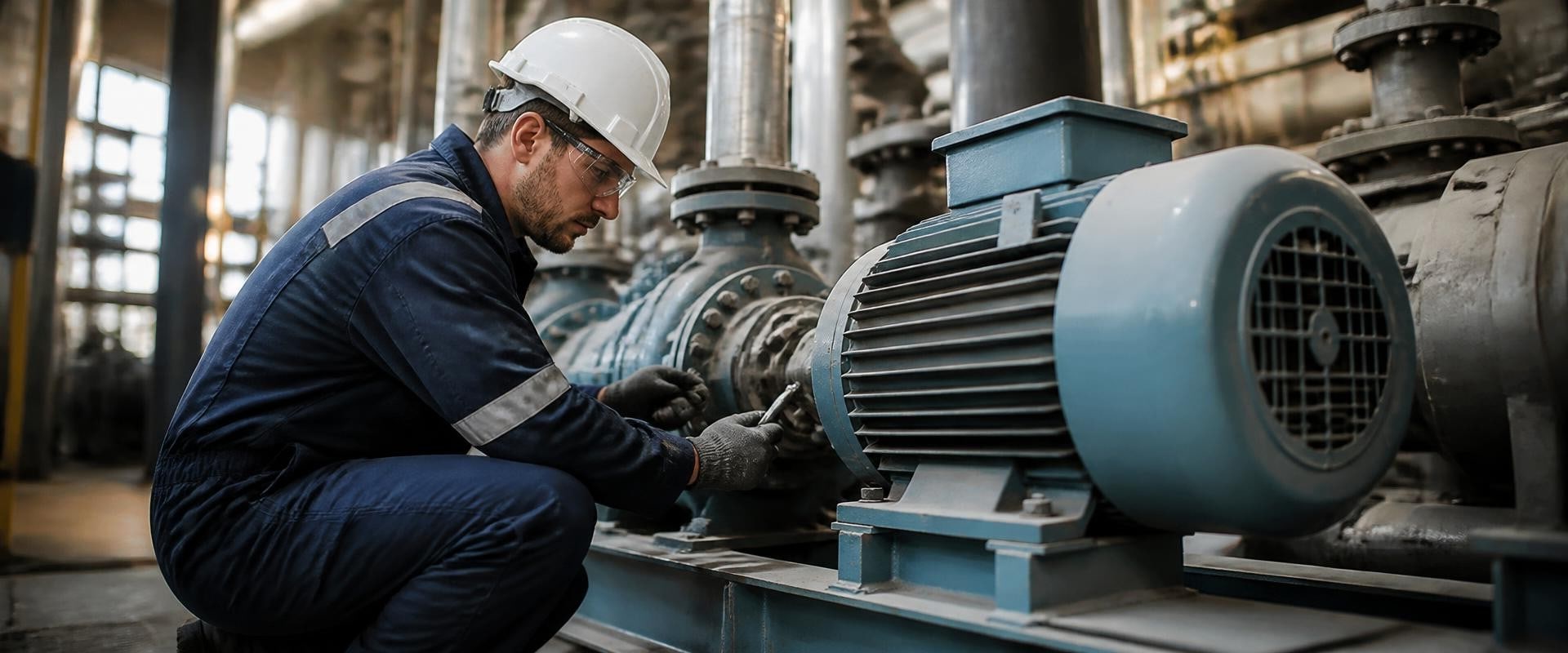
In the fast-paced world of industrial operations, the servicing of machinery is not just a routine task; it is a critical component that directly influences productivity and safety. Regular maintenance of industrial machinery ensures that equipment operates at peak efficiency, minimizing downtime and preventing costly repairs. When machinery is well-maintained, it not only performs better but also extends its lifespan, providing a better return on investment for businesses. The importance of servicing industrial machinery cannot be overstated. Regular maintenance checks help identify potential issues before they escalate into major problems, which can lead to unexpected breakdowns and significant operational disruptions.
Furthermore, adhering to a structured maintenance schedule enhances workplace safety by reducing the risk of accidents caused by malfunctioning equipment. This proactive approach to industrial machinery services fosters a safer working environment and promotes employee confidence in the tools they use daily. Additionally, the benefits of regular maintenance extend beyond just operational efficiency and safety. Companies that prioritize servicing their machinery often experience improved energy efficiency, which can lead to lower operational costs. By investing in industrial machinery services, businesses can optimize their processes, reduce waste, and contribute to sustainability efforts.
In essence, regular servicing is not merely an expense; it is a strategic investment that pays dividends in reliability, safety, and overall performance.
Factors Influencing Service Frequency
Determining how often to service industrial machinery is not a one-size-fits-all approach. Several key factors influence the frequency of industrial machinery services, ensuring that equipment remains operational and efficient.- Usage Intensity: The more frequently a machine is used, the more wear and tear it experiences. High-intensity operations may require servicing every few weeks, while less intensive use might allow for longer intervals.
- Type of Machinery: Different types of machinery have varying service requirements. For instance, heavy-duty equipment like excavators may need more frequent checks compared to lighter machinery such as hand tools.
Understanding the specific needs of each type is crucial.
- Manufacturer Recommendations: Always refer to the manufacturer’s guidelines for maintenance schedules. These recommendations are based on extensive testing and can provide a reliable framework for service intervals.
- Operating Environment: Machines operating in harsh conditions—such as extreme temperatures, dust, or moisture—may require more frequent servicing to prevent breakdowns and prolong lifespan.
- Age of Equipment: Older machinery may need more regular maintenance due to increased likelihood of wear and potential failures. Keeping track of the age and condition can help in planning service schedules.
Recommended Service Intervals for Different Types of Machinery
Understanding the service intervals for different types of industrial machinery is crucial for maintaining operational efficiency and minimizing downtime. Each type of machinery has unique requirements based on its function, usage, and environment.Below are recommended service intervals for various categories of industrial machinery:
1.Heavy Equipment
- Excavators: Service every 250 hours of operation, including oil changes and filter replacements.
- Bulldozers: Recommended maintenance every 500 hours, focusing on hydraulic systems and undercarriage inspections.
2.Manufacturing Machinery
- CNC Machines: Daily checks for lubrication and weekly inspections for wear and tear; comprehensive servicing every 1,000 hours.
- Injection Molding Machines: Monthly maintenance to clean nozzles and check temperature controls; full service every 2,000 hours.
3.Material Handling Equipment
- Forklifts: Daily pre-operation checks; service every 200 hours, focusing on battery health and brake systems.
- Conveyor Systems: Weekly inspections for belt alignment and tension; major servicing every 1,500 hours.
Signs That Your Machinery Needs Immediate Service
Recognizing the signs that your machinery needs immediate service is crucial for maintaining operational efficiency and safety in any industrial setting.Ignoring these indicators can lead to costly breakdowns and extended downtime.
- Unusual Noises: If your machinery starts making strange sounds such as grinding, clanking, or squealing, it may indicate a mechanical issue that requires immediate attention.
- Vibrations: Excessive vibrations can signal misalignment or wear in components. If you notice increased vibration levels, it’s essential to investigate further.
- Fluid Leaks: Any signs of leaking fluids, whether oil, coolant, or hydraulic fluid, should not be overlooked. These leaks can lead to severe damage if not addressed promptly.
- Decreased Performance: A noticeable drop in productivity or efficiency can be a clear indicator that your equipment is not functioning optimally and may need servicing.
- Warning Lights: Many modern machines are equipped with diagnostic systems that alert operators to potential issues. Pay close attention to any warning lights or error messages displayed on the control panel.
Keeping a log of operational data can assist in recognizing patterns that may suggest the need for servicing before problems escalate. Ultimately, knowing when to service industrial equipment is key to preventing unexpected failures. Establishing a routine inspection schedule based on usage and manufacturer recommendations can help ensure that your machinery remains in peak condition.
The Role of Preventive Maintenance in Industrial Machinery Services
Preventive maintenance is a proactive approach to industrial machinery services that focuses on regularly scheduled inspections, adjustments, and replacements to prevent unexpected equipment failures. This strategy is essential for maintaining the efficiency and longevity of machinery, ultimately leading to significant cost savings and improved operational reliability.Benefits of Preventive Maintenance
- Reduced Downtime: By addressing potential issues before they escalate, preventive maintenance minimizes unplanned downtime, allowing operations to run smoothly.
- Cost Efficiency: Regular maintenance can be more cost-effective than reactive maintenance, as it often involves less extensive repairs and avoids the high costs associated with emergency breakdowns.
- Extended Equipment Lifespan: Consistent care and timely interventions can significantly extend the lifespan of industrial machinery, maximizing return on investment.
- Improved Safety: Regular checks help identify safety hazards, ensuring a safer working environment for employees.
Moreover, relying solely on reactive maintenance can result in a cycle of frequent breakdowns that disrupt operations and strain resources.Ultimately, integrating preventive maintenance into your industrial machinery services strategy not only enhances performance but also fosters a culture of reliability and efficiency within your organization. By prioritizing preventive measures, businesses can ensure their machinery operates at peak performance while avoiding the pitfalls associated with reactive maintenance.
Cost Implications of Regular vs. Irregular Servicing
When it comes to industrial machinery services, the cost implications of regular versus irregular servicing can be significant. Regular maintenance not only ensures optimal performance but also translates into substantial long-term savings.Cost of Regular Machinery Servicing
- Regular servicing typically involves scheduled inspections, lubrication, and parts replacement, which can prevent major breakdowns.
- Investing in routine maintenance can reduce the likelihood of unexpected repairs, which often come with higher costs due to emergency service fees and expedited shipping for parts.
- Many manufacturers offer service contracts that can help businesses budget for these expenses, making it easier to manage cash flow.
Financial Impact of Neglecting Maintenance
- Neglecting regular servicing can lead to severe machinery failures, resulting in costly downtime.
The longer a machine is out of operation, the more revenue is lost.
- Irregular servicing may also void warranties, meaning that businesses could face full repair costs without any manufacturer support.
- Additionally, poorly maintained machinery often consumes more energy, leading to higher operational costs over time.
Budgeting for Industrial Services
- To effectively budget for industrial machinery services, companies should analyze historical maintenance costs and factor in potential risks associated with neglect.
- Setting aside a dedicated maintenance fund can help ensure that funds are available when needed, preventing financial strain during unexpected repairs.
- Consideration of the total cost of ownership (TCO) is crucial; this includes not just purchase price but also ongoing maintenance and operational costs.
FAQs About Industrial Machinery Services
When it comes to industrial machinery services, many operators have questions regarding the frequency and necessity of servicing their equipment. Here are some of the most frequently asked questions:- How often should industrial machinery be serviced?
The frequency of servicing can vary based on the type of machinery, its usage, and the manufacturer's recommendations. Generally, it is advisable to conduct a thorough inspection and maintenance at least once a year.However, high-use machinery may require more frequent checks, such as quarterly or bi-annually.
- What are the signs that my machinery needs servicing?
Common indicators include unusual noises, decreased performance, increased energy consumption, and visible wear or damage. If you notice any of these signs, it’s crucial to schedule industrial machinery services promptly to prevent further issues. - Can I perform maintenance myself?
While some basic maintenance tasks can be performed by operators, such as cleaning and lubrication, it is recommended to have professional technicians handle more complex servicing. This ensures that all safety protocols are followed and that the machinery is serviced correctly. - What is included in a typical service?
A standard service usually includes inspections of critical components, lubrication of moving parts, calibration checks, and replacement of worn-out parts. Additionally, technicians may conduct performance tests to ensure everything is functioning optimally. - How can I extend the lifespan of my industrial machinery?
Regular maintenance is key to extending the lifespan of your equipment.Implementing a proactive maintenance schedule, training operators on proper usage, and addressing issues promptly can significantly enhance durability.
Conclusion: Prioritizing Industrial Machinery Services for Optimal Performance
In conclusion, the significance of industrial machinery services cannot be overstated. Regular servicing is essential not only for maintaining the efficiency and longevity of machinery but also for ensuring workplace safety and compliance with industry regulations.Throughout this article, we have explored various aspects of machinery servicing, including:- Frequency of Servicing: Establishing a routine based on manufacturer recommendations and operational demands.
- Benefits of Regular Maintenance: Enhancing performance, reducing downtime, and minimizing repair costs.
- Signs Indicating Service Needs: Recognizing unusual noises, vibrations, or performance drops as indicators for immediate attention.
- Choosing the Right Service Provider: Ensuring that technicians are qualified and experienced in handling specific types of industrial machinery.
By committing to regular maintenance, companies can avoid costly breakdowns and ensure that their machinery operates at peak efficiency for years to come.