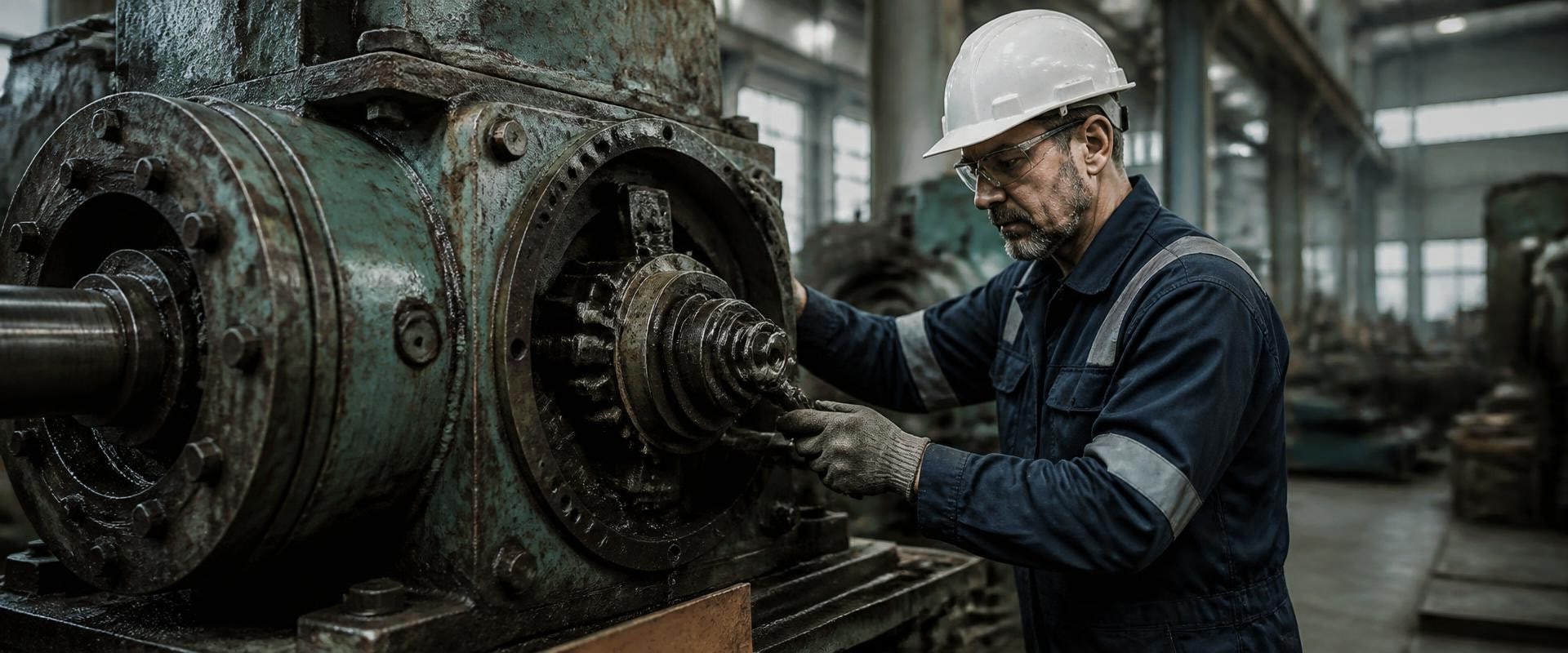
In the fast-paced world of manufacturing and production, industrial machinery services play a crucial role in ensuring that operations run smoothly and efficiently. These services encompass a wide range of activities, including maintenance, repair, and optimization of machinery used in various industries. As technology evolves, the need for specialized support becomes increasingly important, particularly when it comes to managing equipment that may no longer meet current standards or operational demands. Understanding industrial machinery services is essential for businesses looking to maintain a competitive edge. These services not only help in prolonging the lifespan of existing equipment but also provide insights into when it might be time to upgrade or replace obsolete machinery.
By leveraging expert knowledge and advanced techniques, industrial machinery services can identify potential issues before they escalate, thereby minimizing downtime and maximizing productivity. The importance of these services cannot be overstated. As industries face the challenges of aging equipment and rapid technological advancements, having a reliable partner in industrial machinery services ensures that companies can adapt to changes without compromising efficiency or safety. This introductory understanding sets the stage for a deeper exploration into how these services specifically address the challenges posed by obsolete equipment, paving the way for sustainable growth and innovation in the manufacturing sector.
The Challenge of Obsolete Equipment in Industrial Settings
In the fast-paced world of industrial operations, obsolete equipment poses significant challenges that can hinder productivity and safety. As technology evolves, machinery that was once state-of-the-art can quickly become outdated, leading to a range of operational inefficiencies. One of the primary issues with using obsolete machinery is the increased likelihood of breakdowns.Older equipment often requires more frequent repairs, which can lead to unexpected downtime. This not only disrupts production schedules but also increases maintenance costs, straining budgets and resources. Moreover, obsolete equipment may lack the advanced safety features found in newer models. This can elevate the risk of accidents in the workplace, putting employees in danger and potentially leading to costly legal liabilities. Ensuring worker safety is paramount, and relying on outdated machinery can compromise this critical aspect of industrial operations. The financial implications of maintaining obsolete equipment are also significant.
Companies may find themselves investing heavily in repairs and parts for machinery that is no longer efficient or effective. In many cases, the cost of upgrading to modern equipment can be justified by the long-term savings achieved through improved efficiency and reduced maintenance needs. In summary, the challenges posed by obsolete equipment in industrial settings are multifaceted, impacting operational efficiency, safety, and financial health. Addressing these issues requires a proactive approach from industrial machinery services, which can help businesses navigate the complexities of upgrading or replacing outdated machinery.
Assessment and Evaluation of Obsolete Machinery
When it comes to industrial machinery services, the first step in managing obsolete equipment is a thorough assessment and evaluation. This process is crucial for determining whether outdated machinery can still be utilized or if it should be replaced entirely.Assessing Obsolete Machinery
- Visual Inspection: Technicians conduct a detailed visual inspection to identify any obvious signs of wear, damage, or malfunction.
This includes checking for rust, leaks, and other physical deterioration.
- Performance Analysis: The machinery's operational performance is evaluated against industry standards. This may involve running the equipment under normal conditions to assess its efficiency and output.
- Historical Data Review: Reviewing maintenance records and operational history helps in understanding the machinery's past performance and any recurring issues that may indicate obsolescence.
Evaluation Process for Old Equipment
- Cost-Benefit Analysis: Industrial machinery services perform a cost-benefit analysis to weigh the costs of continued maintenance against the potential benefits of replacing the equipment. This includes considering downtime, repair costs, and productivity losses.
- Technological Relevance: Evaluating whether the technology used in the machinery is still relevant is essential. Outdated technology may not meet current safety standards or efficiency benchmarks.
- Compliance Checks: Ensuring that the equipment complies with current regulations and safety standards is critical.
Non-compliance can lead to legal issues and increased liability.
Repair vs. Replacement: Making the Right Decision
When faced with obsolete equipment, industrial machinery services must carefully evaluate whether to repair or replace the machinery. This decision is influenced by several critical factors that can significantly impact operational efficiency and cost-effectiveness.Cost Analysis
- Repair Costs: Assessing the immediate costs associated with repairing old machinery is essential.
This includes labor, parts, and potential downtime during repairs.
- Replacement Costs: On the other hand, replacing equipment involves not only the purchase price but also installation and training costs for new machinery.
Long-Term Operational Goals
The decision should align with the company’s long-term operational goals. If the machinery is critical to production and can be repaired at a reasonable cost, it may be worth investing in repairs. However, if the equipment frequently breaks down or lacks modern features that enhance productivity, replacement might be the better option.
Performance and Efficiency
- Efficiency Gains: Newer models often come with advanced technology that can improve efficiency and reduce energy consumption.
- Downtime Considerations: Frequent repairs can lead to increased downtime, affecting overall productivity. In such cases, investing in new machinery may yield better returns.
Environmental Impact
Another factor to consider is the environmental impact of older machinery.
Many industrial machinery services are now prioritizing sustainability. Replacing obsolete equipment with energy-efficient models can reduce a company’s carbon footprint and comply with regulatory standards.Ultimately, the decision to repair or replace obsolete equipment requires a thorough analysis of costs, operational goals, performance needs, and environmental considerations. By weighing these factors carefully, businesses can make informed choices that enhance their operational capabilities while managing expenses effectively.
Upgrading and Retrofitting Solutions
In the realm of industrial machinery services, upgrading and retrofitting outdated equipment is a critical strategy for enhancing operational efficiency and extending the lifespan of machinery. As technology evolves, older machines often struggle to keep pace with modern demands, making it essential for businesses to consider various solutions.Upgrading industrial machinery
typically involves replacing or enhancing specific components to improve performance.This can include installing advanced control systems, upgrading motors, or integrating new software that allows for better monitoring and diagnostics. Such upgrades not only boost productivity but also reduce energy consumption, leading to significant cost savings over time.On the other hand, retrofitting solutions focus on modifying existing equipment to incorporate newer technologies without the need for complete replacement. This approach is particularly beneficial for businesses looking to maintain their current machinery while still reaping the benefits of modern advancements. Common retrofitting options include:
- Adding automation features: Implementing automated controls can streamline operations and reduce manual labor.
- Enhancing safety measures: Upgrading safety systems ensures compliance with current regulations and protects workers.
- Improving energy efficiency: Retrofitting machines with energy-efficient components can significantly lower operational costs.
By investing in industrial machinery services that offer tailored upgrading and retrofitting solutions, companies can ensure their operations remain competitive in an ever-evolving market.
Recycling and Disposal of Obsolete Equipment
As industries evolve, obsolete equipment becomes a significant concern for businesses relying on industrial machinery services. The responsible recycling and disposal of this equipment are crucial not only for compliance with regulations but also for minimizing environmental impact.Many companies are now prioritizing environmentally friendly disposal methods. This involves several key practices:- Assessment of Equipment: Before disposal, a thorough assessment is conducted to determine the condition of the machinery and the potential for refurbishment or resale.
- Recycling Components: Many parts of industrial machinery can be recycled. Metals, plastics, and electronic components can often be extracted and processed for reuse, reducing waste.
- Certified Disposal Partners: Partnering with certified recycling facilities ensures that the disposal process adheres to local and federal regulations, minimizing the risk of environmental contamination.
- Documentation and Reporting: Proper documentation of the disposal process is essential.
This includes tracking where equipment is sent and how it is processed, which is vital for regulatory compliance.
Case Studies: Successful Management of Obsolete Equipment
In the realm of industrial machinery services, managing obsolete equipment is a critical challenge that many companies face.Here are some compelling case studies that illustrate successful strategies employed by various service providers.
Case Study 1: Revitalizing Legacy Equipment
A manufacturing plant specializing in automotive parts faced significant downtime due to aging machinery. The industrial machinery service provider conducted a thorough assessment and identified key components that could be refurbished rather than replaced. By implementing a targeted refurbishment program, they extended the life of the equipment by an additional five years, significantly reducing costs and minimizing production interruptions.Case Study 2: Innovative Upcycling Solutions
Another example comes from a food processing company that struggled with outdated packaging machinery. The industrial machinery services team proposed an innovative upcycling solution, where obsolete machines were retrofitted with modern technology.This not only improved efficiency but also enhanced product quality, leading to a 20% increase in output.
Case Study 3: Strategic Partnerships for Replacement
A construction firm faced challenges with its aging fleet of heavy machinery. The industrial machinery services provider facilitated strategic partnerships with manufacturers to secure favorable terms for new equipment while offering trade-in options for obsolete machines. This approach allowed the construction firm to upgrade its fleet without incurring substantial financial burdens.These case studies highlight the importance of proactive management and innovative thinking in dealing with obsolete equipment. By leveraging refurbishment, upcycling, and strategic partnerships, industrial machinery services can effectively navigate the complexities associated with aging machinery, ensuring operational continuity and cost-effectiveness.Future Trends in Industrial Machinery Services and Equipment Management
As industries evolve, future trends in industrial machinery services are increasingly shaped by technological advancements and changing market demands.One significant trend is the integration of smart technologies into machinery management. This includes the use of IoT (Internet of Things) devices that enable real-time monitoring of equipment performance, allowing for predictive maintenance and timely interventions before machinery becomes obsolete.Another emerging trend is the adoption of data analytics. By leveraging big data, industrial machinery services can analyze usage patterns and operational efficiency, helping companies make informed decisions about when to upgrade or replace equipment. This proactive approach not only extends the lifespan of machinery but also reduces costs associated with unexpected failures.
Innovations in equipment management
are also paving the way for more sustainable practices.For instance, many companies are exploring circular economy models, which focus on refurbishing and recycling obsolete machinery rather than discarding it. This not only minimizes waste but also creates new revenue streams through resale or repurposing of parts.The impact of technology on machinery services is further amplified by advancements in automation and robotics. Automated systems can handle routine maintenance tasks, freeing up skilled technicians to focus on more complex issues related to obsolete equipment. This shift not only enhances efficiency but also ensures that human expertise is utilized where it is most needed.In conclusion, as we look to the future, industrial machinery services will increasingly rely on smart technologies, data analytics, sustainable practices, and automation to effectively manage obsolete equipment.
These trends not only promise to enhance operational efficiency but also contribute to a more sustainable industrial landscape.
FAQs About Industrial Machinery Services and Obsolete Equipment
When it comes to managing obsolete equipment, many businesses have questions about how industrial machinery services can assist them. Here are some frequently asked questions:What is considered obsolete equipment?
Obsolete equipment refers to machinery that is no longer supported by the manufacturer, lacks available parts, or is outdated in terms of technology and efficiency. This can include older models that are not compliant with current safety standards.How do industrial machinery services assess obsolete equipment?
Industrial machinery services typically conduct a thorough evaluation of the equipment's condition, including:- Performance analysis: Assessing how well the machine operates compared to modern standards.
- Cost analysis: Evaluating the cost of repairs versus replacement.
- Compliance checks: Ensuring the equipment meets current regulations.
Can obsolete equipment be repaired?
In many cases, industrial machinery services can repair obsolete equipment, but this depends on several factors:- Availability of parts: If parts are still available, repairs may be feasible.
- Technical expertise: Skilled technicians can often find innovative solutions to repair older machines.
- Cost-effectiveness: Sometimes, repairing an old machine may not be cost-effective compared to investing in new technology.
What options do I have for obsolete machinery?
If your equipment is deemed obsolete, you have several options:- Upgrade: Consider retrofitting or upgrading components to extend the life of the machine.
- Replacement: Investing in new machinery that offers better efficiency and compliance with regulations.
- Selling or recycling: Explore options for selling the old equipment or recycling its materials responsibly.