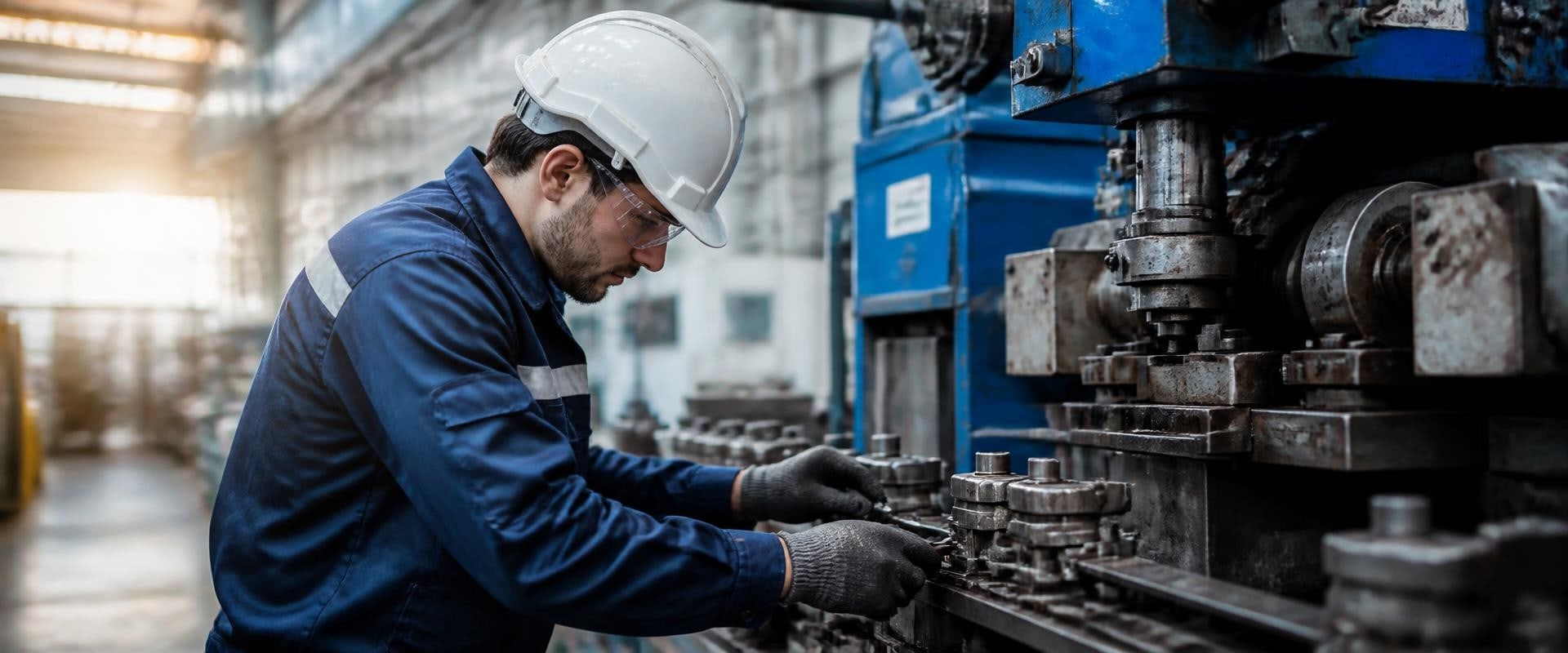
Industrial machinery services encompass a wide range of activities designed to maintain, repair, and optimize the performance of heavy equipment and machinery used in various sectors, including manufacturing, construction, and logistics. These services are crucial for ensuring that machinery operates efficiently and reliably, minimizing downtime and maximizing productivity. By understanding the definition and scope of industrial machinery services, businesses can better appreciate their significance in maintaining operational excellence. The importance of industrial machinery services cannot be overstated. In an era where competition is fierce and profit margins are often tight, companies must leverage every available resource to enhance efficiency and reduce costs.
Regular maintenance and timely repairs not only extend the lifespan of machinery but also prevent costly breakdowns that can halt production. Furthermore, these services often include advanced diagnostics and predictive maintenance strategies that help identify potential issues before they escalate into major problems. As industries continue to evolve with technological advancements, the role of industrial machinery services becomes even more critical. They not only support the physical aspects of machinery but also integrate with digital solutions to provide real-time data analytics. This integration allows businesses to make informed decisions regarding their equipment, ultimately leading to significant cost savings.
By investing in comprehensive industrial machinery services, companies position themselves to thrive in a competitive landscape while ensuring their operations remain smooth and efficient.
The Financial Impact of Industrial Machinery Services
Investing in industrial machinery services can yield substantial financial benefits for businesses, primarily through enhanced maintenance practices and operational efficiencies. By prioritizing regular maintenance, companies can significantly reduce the risk of unexpected breakdowns, which often lead to costly downtime.Cost savings from machinery maintenance
are realized in several ways:- Preventive Maintenance: Regular inspections and servicing help identify potential issues before they escalate into major problems. This proactive approach minimizes repair costs and extends the lifespan of machinery.
- Energy Efficiency: Well-maintained equipment operates more efficiently, consuming less energy. This reduction in energy usage translates directly into lower utility bills.
- Reduced Labor Costs: Efficient machinery requires less labor to operate and maintain, allowing businesses to allocate their workforce more effectively.
Companies that invest in comprehensive service contracts typically see a return on investment through:
- Increased Productivity: Reliable machinery ensures that production schedules are met without interruptions, leading to higher output and revenue.
- Lower Repair Costs: By avoiding major repairs through regular maintenance, businesses can keep their operational costs down.
- Enhanced Safety: Well-maintained equipment reduces the risk of accidents, which can lead to costly legal fees and insurance claims.
Preventive Maintenance and Its Cost Benefits
Preventive maintenance is a crucial aspect of industrial machinery services that significantly contributes to cost savings for businesses. By implementing a proactive maintenance strategy, companies can identify and address potential issues before they escalate into major problems. This approach not only enhances the lifespan of machinery but also minimizes the risk of unexpected breakdowns.One of the primary benefits of preventive maintenance is its ability to reduce downtime.When machinery fails unexpectedly, it can lead to costly production halts. According to industry studies, unplanned downtime can cost manufacturers thousands of dollars per hour. By scheduling regular maintenance checks, businesses can ensure that their equipment operates smoothly, thereby avoiding these costly interruptions.Additionally, preventive maintenance helps in optimizing operational efficiency. Regular inspections and servicing allow for the identification of worn-out parts or systems that may require adjustments.
This not only keeps the machinery running at peak performance but also reduces energy consumption, leading to lower utility bills.
- Cost-effective repairs: Addressing minor issues during routine maintenance is often much cheaper than waiting for a major failure to occur. This proactive approach allows companies to budget for repairs more effectively.
- Improved safety: Regular maintenance checks help ensure that machinery operates safely, reducing the risk of accidents that could lead to costly legal liabilities and insurance claims.
- Enhanced productivity: Well-maintained equipment operates more efficiently, which can lead to increased output and improved product quality.
Optimizing Equipment Performance Through Services
Regular industrial machinery services play a crucial role in optimizing equipment performance, which directly translates to significant cost savings for businesses. By ensuring that machinery operates at peak efficiency, companies can reduce energy consumption, minimize downtime, and extend the lifespan of their equipment.One of the primary benefits of routine servicing is the identification and rectification of potential issues before they escalate into costly repairs.For instance, a well-maintained machine is less likely to experience unexpected breakdowns, which can halt production and lead to lost revenue. Regular inspections and maintenance allow for timely adjustments and replacements of worn-out parts, ensuring that machinery runs smoothly.
- Improved Efficiency: Regular servicing helps in calibrating machines to operate at optimal settings, which enhances overall efficiency. This means that less energy is wasted during operations, leading to lower utility bills.
- Increased Productivity: When machinery is functioning correctly, it can produce more output in less time. This increase in productivity can significantly boost a company's bottom line.
- Extended Equipment Lifespan: Investing in industrial equipment services not only improves performance but also prolongs the life of the machinery.
This reduces the frequency of capital expenditures on new equipment.
Reducing Downtime with Industrial Machinery Services
In the industrial sector, reducing downtime is crucial for maintaining productivity and profitability. When machinery fails or requires maintenance, the resulting halt in operations can lead to significant financial losses.This is where industrial machinery services play a vital role in minimizing downtime and enhancing operational efficiency.The impact of downtime on costs can be staggering. According to industry studies, unplanned downtime can cost manufacturers anywhere from $1,000 to $250,000 per hour, depending on the type of machinery and the industry involved. These costs stem not only from lost production but also from increased labor expenses and potential penalties for missed deadlines.To mitigate these risks, businesses can leverage comprehensive industrial machinery services that focus on:
- Preventive Maintenance: Regular inspections and maintenance schedules help identify potential issues before they escalate into major failures.
- Predictive Analytics: Utilizing data-driven insights allows companies to predict equipment failures and schedule maintenance during non-peak hours.
- Rapid Response Services: Having a dedicated service team available for quick repairs minimizes the time machinery is out of operation.
This long-term approach ensures that businesses are not only saving money in the short term but are also setting themselves up for sustained success in the future.
Case Studies: Success Stories in Cost Savings
In the realm of industrial machinery services, numerous companies have demonstrated significant cost savings through strategic implementation and maintenance practices. Here are a few compelling case studies that highlight these successes:Case Study 1: Manufacturing Efficiency at XYZ Corp
XYZ Corp, a leading manufacturer of automotive parts, faced escalating operational costs due to frequent machinery breakdowns. By partnering with an industrial machinery service provider, they implemented a predictive maintenance program that utilized advanced analytics to foresee potential failures. This proactive approach reduced downtime by 30%, leading to an annual savings of over $500,000 in lost production and repair costs.Case Study 2: Energy Savings at ABC Industries
ABC Industries, a large-scale textile manufacturer, sought to reduce energy consumption across its operations.By engaging with an industrial machinery service that specialized in energy audits and optimization, they identified inefficiencies in their machinery. After upgrading to energy-efficient models and optimizing existing equipment, ABC Industries achieved a 20% reduction in energy costs, translating to savings of approximately $200,000 per year.
Case Study 3: Streamlined Operations at DEF Logistics
DEF Logistics, a warehousing and distribution company, struggled with high operational costs due to inefficient machinery usage. By utilizing industrial machinery services for equipment assessments and workflow optimization, they restructured their operations. This led to improved equipment utilization rates and reduced labor costs by 15%, resulting in annual savings of $300,000.These case studies illustrate the tangible benefits that can be realized through effective industrial machinery services.By investing in maintenance, energy efficiency, and operational optimization, companies not only enhance their productivity but also achieve substantial cost savings that contribute to their bottom line.
Frequently Asked Questions About Industrial Machinery Services
When it comes to industrial machinery services, many questions arise regarding their importance and functionality. Below are some frequently asked questions that can help clarify common concerns.- What are industrial machinery services?
Industrial machinery services encompass a range of activities aimed at maintaining, repairing, and optimizing machinery used in various industries. These services ensure that equipment operates efficiently and safely, minimizing downtime and extending the lifespan of the machinery. - How often should machinery be serviced?
The frequency of servicing depends on the type of machinery and its usage. Generally, it is advisable to follow the manufacturer's recommendations, which often suggest regular maintenance checks every few months or after a specific number of operating hours. - What are the benefits of regular maintenance?
Regular maintenance can lead to significant cost savings by preventing unexpected breakdowns, reducing repair costs, and improving operational efficiency.Additionally, well-maintained machinery is less likely to cause safety hazards.
- What should I look for in an industrial service contract?
When evaluating an industrial service contract, consider factors such as the scope of services offered, response times for emergency repairs, warranty coverage, and the qualifications of the service provider. A comprehensive contract should also include provisions for regular inspections and preventive maintenance. - Can I perform maintenance on my own machinery?
While some basic maintenance tasks can be performed by operators, such as cleaning and lubrication, it is crucial to consult with professionals for more complex issues. Attempting advanced repairs without proper training can lead to further damage or safety risks.
Conclusion: The Bottom Line on Cost Savings from Industrial Machinery Services
In conclusion, industrial machinery services play a pivotal role in enhancing operational efficiency and driving significant cost savings for businesses across various sectors.By investing in these services, companies can ensure that their machinery operates at peak performance, reducing the likelihood of unexpected breakdowns and costly repairs.Key takeaways include:
- Preventive Maintenance: Regular maintenance schedules help identify potential issues before they escalate, minimizing downtime and extending the lifespan of equipment.
- Expertise and Support: Access to skilled technicians ensures that machinery is serviced correctly, optimizing performance and reducing the risk of errors that could lead to costly repairs.
- Cost-Effective Solutions: Tailored service plans can be designed to meet specific business needs, allowing for better budget management and resource allocation.
- Improved Productivity: Well-maintained machinery operates more efficiently, leading to increased output and reduced operational costs.