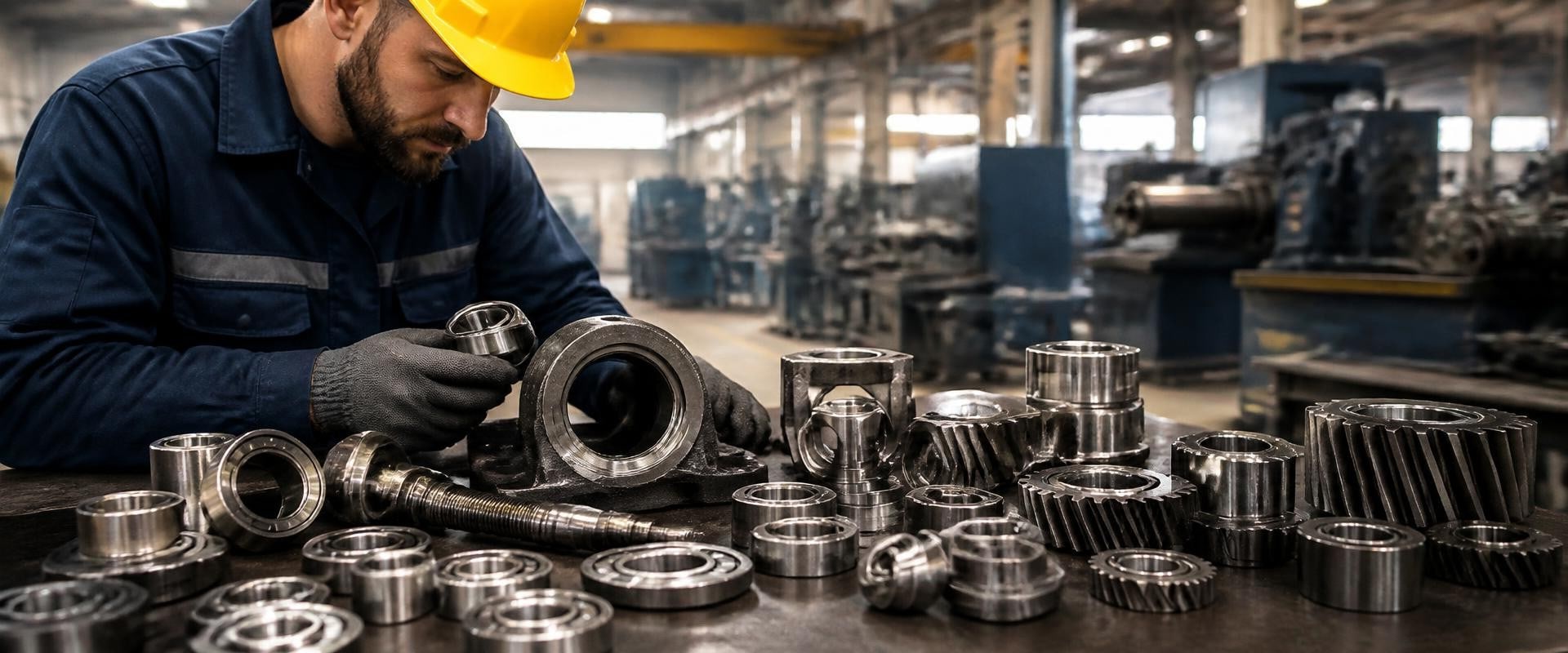
In the realm of industrial machinery services, understanding the intricacies of maintenance and repair is crucial for ensuring operational efficiency. These services encompass a wide range of activities designed to keep machinery running smoothly, from routine inspections to complex repairs. The definition of industrial machinery services extends beyond mere fixes; it includes preventive measures, diagnostics, and the strategic use of spare parts to minimize downtime and enhance productivity. The importance of industrial machinery services cannot be overstated. In industries such as manufacturing, construction, and logistics, machinery plays a pivotal role in daily operations.
Any malfunction can lead to significant financial losses and delays. Therefore, having a robust service plan that incorporates timely maintenance and access to quality spare parts is essential for sustaining productivity and ensuring safety standards are met. Moreover, as technology evolves, so do the demands placed on industrial machinery. This evolution necessitates a proactive approach to service management, where understanding the role of spare parts becomes integral. By investing in comprehensive industrial machinery services, businesses can not only extend the lifespan of their equipment but also adapt to changing market needs with agility and confidence.
The Importance of Spare Parts in Industrial Machinery
In the realm of industrial machinery services, the significance of spare parts cannot be overstated.These components are essential for maintaining the operational integrity and efficiency of machinery, ensuring that production processes run smoothly and without interruption.
Spare parts
serve multiple critical roles in industrial settings:- Minimizing Downtime: When machinery breaks down, having readily available spare parts can drastically reduce downtime. Quick replacements allow operations to resume swiftly, minimizing lost productivity and revenue.
- Enhancing Efficiency: Regular maintenance using quality spare parts ensures that machinery operates at peak performance. This not only extends the lifespan of the equipment but also enhances overall efficiency, leading to better output.
- Cost-Effectiveness: Investing in spare parts can be more economical than purchasing new machinery. By replacing worn-out components, businesses can avoid the high costs associated with new equipment while still maintaining operational standards.
- Safety Assurance: Faulty machinery can pose significant safety risks.
Utilizing genuine spare parts ensures that equipment meets safety standards, protecting workers and reducing liability for the company.
By prioritizing the availability and quality of spare parts, businesses can secure their operational success and maintain a competitive edge in their respective markets.
Types of Spare Parts Used in Industrial Machinery Services
In the realm of industrial machinery services, understanding the various types of spare parts is crucial for maintaining operational efficiency and minimizing downtime. Spare parts can be categorized based on their function and the components they serve. Below are some common categories:- Mechanical Parts: These include components such as gears, bearings, and shafts. They are essential for the movement and operation of machinery.
For instance, a worn-out bearing can lead to increased friction and potential machinery failure.
- Electrical Parts: This category encompasses items like motors, sensors, and circuit boards. Electrical components are vital for controlling machinery functions and ensuring safety protocols are followed. A malfunctioning sensor can disrupt operations and lead to costly repairs.
- Hydraulic and Pneumatic Parts: These parts include pumps, valves, and cylinders that facilitate fluid movement within machinery. They are critical in systems that rely on hydraulic or pneumatic power.
For example, a faulty hydraulic pump can halt production processes.
- Consumables: Items such as filters, lubricants, and seals fall into this category. While they may not be permanent fixtures, their regular replacement is essential for the longevity of machinery. Neglecting to replace filters can lead to contamination and damage to other components.
Understanding these categories not only aids in quick identification during repairs but also helps in planning inventory management for industrial machinery services.
How Spare Parts Affect Maintenance Strategies
The availability and quality of spare parts play a crucial role in shaping maintenance strategies within the realm of industrial machinery services. Organizations must decide between two primary approaches: proactive and reactive maintenance.Proactive Maintenance Strategies
Proactive maintenance focuses on preventing equipment failures before they occur. This strategy relies heavily on the timely availability of high-quality spare parts. By maintaining an inventory of essential components, companies can:- Reduce downtime: Quick access to spare parts allows for immediate repairs, minimizing production interruptions.
- Enhance equipment lifespan: Regular maintenance using quality parts ensures machinery operates efficiently, extending its operational life.
- Lower overall costs: Preventative measures are often less expensive than emergency repairs, leading to significant savings over time.
Reactive Maintenance Strategies
In contrast, reactive maintenance occurs after a failure has taken place.This approach can be more costly and disruptive, particularly if spare parts are not readily available. The implications of relying on reactive strategies include:
- Increased downtime: Waiting for parts to arrive can lead to prolonged periods of inactivity, affecting productivity.
- Higher repair costs: Emergency repairs often come with premium pricing for both labor and parts.
- Poor equipment performance: Using substandard or mismatched parts during urgent repairs can lead to further complications down the line.
Challenges in Sourcing Spare Parts for Industrial Machinery
Sourcing spare parts for industrial machinery services presents a myriad of challenges that can significantly impact operational efficiency. One of the primary issues is the availability of parts, which can be influenced by various factors including supplier reliability and market demand fluctuations.Supply chain disruptions
have become increasingly common, particularly in the wake of global events such as pandemics or geopolitical tensions.These disruptions can lead to delays in production schedules and increased costs, as companies scramble to find alternative suppliers or expedite shipping. The reliance on a limited number of suppliers for critical components can exacerbate these issues, making it essential for industries to diversify their sourcing strategies.
- Inventory Management: Maintaining an adequate inventory of spare parts is crucial, yet challenging. Companies must balance the costs associated with holding excess inventory against the risk of stockouts that can halt operations.
- Quality Assurance: Ensuring that sourced parts meet quality standards is vital. Poor-quality components can lead to equipment failures, resulting in costly downtime and repairs.
- Technological Changes: Rapid advancements in technology can render certain spare parts obsolete.
Industries must stay informed about technological trends to avoid investing in parts that may soon be outdated.
Best Practices for Managing Spare Parts Inventory
Effective spare parts inventory management is crucial for optimizing industrial machinery services. By implementing best practices, organizations can ensure that they have the right parts available when needed, while also minimizing excess stock and associated costs.1.Conduct Regular Inventory Audits
- Performing regular audits helps identify slow-moving or obsolete parts, allowing for timely adjustments to inventory levels.
- Audits also ensure that the physical stock matches the recorded inventory, reducing discrepancies.
2.Utilize Inventory Management Software
- Investing in specialized software can streamline the tracking of spare parts, automate reordering processes, and provide real-time data on stock levels.
- This technology can help predict demand based on historical usage patterns, ensuring that critical components are always available.
3.Implement Just-in-Time (JIT) Inventory
- The JIT approach minimizes holding costs by ordering parts only as they are needed for maintenance or repairs.
- This strategy requires strong relationships with suppliers to ensure timely deliveries without compromising service quality.
4.Categorize Spare Parts
- Classifying spare parts into categories such as critical, essential, and non-essential can help prioritize inventory management efforts.
- This categorization allows for focused investment in high-impact items while optimizing stock levels for less critical components.
5.Establish Supplier Relationships
- Building strong partnerships with reliable suppliers can enhance the speed and efficiency of obtaining spare parts.
- Consider negotiating contracts that allow for flexible ordering and quicker turnaround times to support your industrial machinery services.
This proactive approach not only ensures availability but also contributes to cost savings and enhanced service delivery.
The Future of Spare Parts in Industrial Machinery Services
The landscape of industrial machinery services is rapidly evolving, particularly in the realm of spare parts management. As industries strive for greater efficiency and reduced downtime, several key trends and technologies are emerging that will shape the future of spare parts.Future Trends in Spare Parts
One significant trend is the shift towards predictive maintenance. By leveraging data analytics and IoT (Internet of Things) technologies, companies can anticipate when a part is likely to fail and proactively replace it. This not only minimizes unexpected breakdowns but also optimizes inventory levels, ensuring that spare parts are available when needed without overstocking.Technology in Spare Parts Management
Another transformative technology is the use of artificial intelligence (AI) in spare parts management.AI algorithms can analyze historical data to forecast demand for specific parts, allowing businesses to streamline their supply chains. This results in faster response times and improved customer satisfaction as machinery can be serviced more efficiently.
Innovations in Industrial Services
Moreover, the advent of 3D printing is revolutionizing how spare parts are produced and distributed. With the ability to manufacture parts on-demand, companies can significantly reduce lead times and costs associated with traditional manufacturing processes. This innovation not only enhances flexibility but also supports sustainability efforts by minimizing waste.In conclusion, the future of spare parts in industrial machinery services is being shaped by advancements in technology and innovative practices.By embracing these changes, businesses can enhance operational efficiency, reduce costs, and improve service delivery, ultimately leading to a more resilient industrial ecosystem.
FAQs About Spare Parts and Industrial Machinery Services
When it comes to industrial machinery services, understanding the role of spare parts is crucial for maintaining operational efficiency. Here are some frequently asked questions that can help clarify their importance:- What are spare parts? Spare parts are components that can be replaced in machinery to ensure its proper functioning. They include items like gears, belts, and electrical components.
- Why are spare parts essential in industrial machinery services? Spare parts are vital for minimizing downtime. When a machine breaks down, having the right spare parts on hand allows for quick repairs, which helps maintain productivity.
- How do I know which spare parts I need? Regular maintenance and inspections can help identify which parts may need replacement.
Additionally, consulting with your machinery service provider can provide insights into common wear-and-tear components.
- What should I consider when sourcing spare parts? Quality is paramount. Always opt for OEM (Original Equipment Manufacturer) parts or high-quality aftermarket alternatives to ensure compatibility and longevity.
- How can I troubleshoot spare parts issues? Start by identifying the symptoms of the malfunction. Check for unusual noises, vibrations, or error codes. If you suspect a specific part, consult your machinery's manual or a professional technician for guidance.