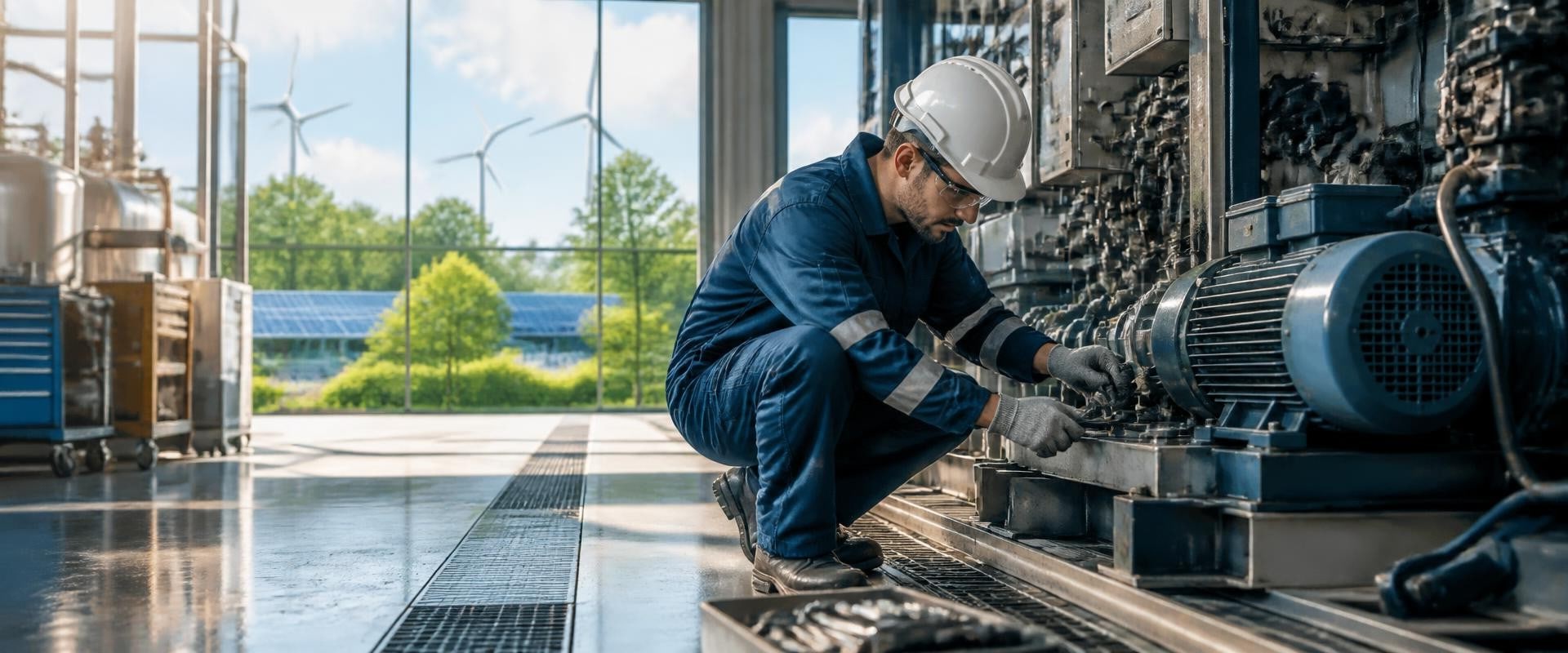
Industrial machinery services encompass a wide range of activities designed to maintain, repair, and optimize the performance of machinery used in various industrial sectors. These services are crucial for ensuring that equipment operates efficiently and reliably, which directly impacts productivity and operational costs. By providing expert support and maintenance, industrial machinery services help businesses minimize downtime and extend the lifespan of their equipment, making them an essential component of modern manufacturing and production processes. The importance of industrial machinery services cannot be overstated, especially in an era where sustainability is becoming a key focus for industries worldwide. As companies strive to reduce their environmental footprint, the role of these services evolves beyond mere maintenance.
They now include strategies for enhancing energy efficiency, reducing waste, and implementing eco-friendly practices. This shift not only supports corporate sustainability initiatives but also aligns with regulatory requirements and consumer expectations for greener operations. Understanding the definition and scope of industrial machinery services is vital for recognizing their impact on sustainability efforts. These services include everything from routine inspections and preventive maintenance to complex repairs and retrofitting older machines with modern technology. By leveraging these services, industries can adopt more sustainable practices that contribute to a healthier planet while also achieving economic benefits through improved efficiency and reduced operational costs.
The Connection Between Industrial Machinery and Sustainability
The relationship between industrial machinery and sustainability is increasingly critical as industries strive to minimize their environmental footprint.The manufacturing sector, which heavily relies on machinery, plays a significant role in shaping sustainable practices. By understanding how industrial machinery services can enhance sustainability initiatives, companies can make informed decisions that benefit both the environment and their bottom line.
Sustainability in manufacturing
involves adopting practices that reduce waste, conserve energy, and utilize resources more efficiently. Industrial machinery is at the heart of these processes, as it directly influences production efficiency and resource management. For instance, modern machinery equipped with advanced technologies can optimize energy consumption, leading to lower greenhouse gas emissions.- Energy Efficiency: Upgrading to energy-efficient machinery can significantly reduce operational costs while minimizing environmental impact.
- Waste Reduction: Implementing machinery that supports recycling and waste management helps manufacturers divert materials from landfills.
- Resource Optimization: Advanced industrial machinery can enhance the precision of manufacturing processes, reducing material waste and improving product quality.
Sustainable practices in machinery procurement and maintenance are essential. For example, choosing machines designed for longevity and ease of repair can reduce the need for frequent replacements, thereby conserving resources.Moreover, industrial machinery services play a pivotal role in ensuring that equipment operates at peak efficiency. Regular maintenance and timely upgrades not only extend the lifespan of machines but also ensure they comply with environmental regulations. By investing in these services, manufacturers can align their operations with sustainability goals while enhancing productivity.In conclusion, the connection between industrial machinery and sustainability is profound.
By leveraging advanced technologies and adopting sustainable practices within their operations, manufacturers can significantly mitigate their environmental impact while fostering a more sustainable future.
How Industrial Machinery Services Enhance Efficiency
In today's competitive industrial landscape, efficiency is paramount.Industrial machinery services
play a crucial role in enhancing operational efficiency, which not only boosts productivity but also aligns with sustainability initiatives. By optimizing machinery performance, these services help reduce waste and lower energy consumption.Regular maintenance
is one of the key components of industrial machinery services that significantly improves efficiency. Scheduled inspections and timely repairs ensure that machines operate at peak performance, minimizing downtime and preventing costly breakdowns.This proactive approach not only extends the lifespan of equipment but also reduces the need for new machinery, thereby conserving resources.Moreover, upgrading machinery with the latest technology can lead to substantial efficiency gains. Industrial machinery services often include retrofitting older machines with advanced controls and automation systems. These upgrades can enhance precision and speed, resulting in less material waste and lower energy usage during production processes.Another vital aspect is the implementation of energy-efficient practices. Industrial machinery services can provide insights into energy consumption patterns and recommend adjustments that lead to significant savings.
For instance, optimizing machine settings or scheduling operations during off-peak energy hours can drastically reduce electricity costs while supporting sustainability goals.Furthermore, by adopting lean manufacturing principles, companies can streamline their operations. Industrial machinery services often assist in identifying bottlenecks and inefficiencies within production lines. By addressing these issues, businesses can enhance workflow, reduce cycle times, and ultimately produce more with less.In conclusion, the integration of industrial machinery services into operational strategies not only enhances efficiency but also contributes to broader sustainability initiatives. By focusing on maintenance, upgrades, energy efficiency, and lean practices, companies can achieve significant improvements in their environmental footprint while maintaining competitive advantage.
Preventive Maintenance and Its Role in Sustainability
Preventive maintenance is a proactive approach that plays a crucial role in enhancing the sustainability of industrial operations.By regularly servicing and maintaining industrial machinery, companies can significantly extend the lifespan of their equipment, which is essential for reducing waste and conserving resources.One of the primary benefits of preventive maintenance is its ability to minimize unexpected downtime. When machinery fails unexpectedly, it not only disrupts production but also leads to increased energy consumption and resource use during repairs and replacements. By implementing a structured preventive maintenance schedule, businesses can identify potential issues before they escalate, ensuring that machinery operates efficiently and reliably.Moreover, preventive maintenance contributes to sustainability by optimizing energy efficiency. Well-maintained equipment typically consumes less energy, which directly reduces the carbon footprint of industrial operations.
For instance, regular inspections and adjustments can ensure that machines are running at peak performance, thereby minimizing energy waste.
- Reduced Environmental Impact: By extending the life of machinery and improving efficiency, preventive maintenance helps lower the overall environmental impact associated with manufacturing processes.
- Cost Savings: While there is an upfront cost associated with regular maintenance, the long-term savings from reduced repairs and increased efficiency can be substantial.
- Compliance with Regulations: Many industries face strict environmental regulations. Preventive maintenance helps ensure compliance by keeping machinery in optimal condition and reducing emissions.
Innovative Technologies in Industrial Machinery Services
In the realm of industrial machinery services, innovative technologies are playing a pivotal role in advancing sustainability initiatives. By integrating cutting-edge solutions such as the Internet of Things (IoT), artificial intelligence (AI), and automation, companies can significantly enhance their operational efficiency while minimizing their environmental impact.Internet of Things (IoT)
The IoT enables machinery to communicate and share data in real-time, allowing for better monitoring and management of equipment.This connectivity facilitates predictive maintenance, which helps in identifying potential issues before they escalate into costly failures. By reducing downtime and extending the lifespan of machinery, IoT contributes to a more sustainable operation.
Artificial Intelligence (AI)
AI technologies are transforming industrial machinery services by optimizing processes and improving decision-making. Machine learning algorithms analyze vast amounts of data to identify patterns and trends, enabling companies to streamline operations. For instance, AI can optimize energy consumption by adjusting machinery settings based on real-time demand, thus reducing waste and lowering carbon footprints.Automation
Automation is another key innovation that supports sustainability in industrial settings.Automated systems can operate with precision and consistency, minimizing resource usage and waste generation. By automating repetitive tasks, companies can also reduce labor costs and improve safety conditions for workers.
- Enhanced Efficiency: Innovative technologies lead to more efficient use of resources.
- Reduced Waste: Smart machinery solutions help in minimizing waste through better resource management.
- Lower Emissions: Automation and AI contribute to lower emissions by optimizing energy use.
Case Studies: Successful Implementation of Sustainable Practices
In recent years, numerous companies have successfully integrated industrial machinery services into their sustainability initiatives, demonstrating the potential for operational efficiency and environmental responsibility. Here are a few notable case studies:- Company A: Reducing Waste through Machinery Optimization
Company A, a leading manufacturer in the automotive sector, partnered with an industrial machinery services provider to optimize their production line.By implementing predictive maintenance and real-time monitoring, they reduced machine downtime by 30%. This not only improved productivity but also minimized waste generated during production, aligning with their sustainability goals.
- Company B: Energy Efficiency Initiatives
In the food processing industry, Company B utilized industrial machinery services to upgrade their equipment to energy-efficient models. The service provider conducted an energy audit and recommended specific machinery replacements that led to a 25% reduction in energy consumption. This initiative not only lowered operational costs but also significantly decreased their carbon footprint. - Company C: Water Conservation Strategies
Company C, a textile manufacturer, faced challenges with water usage in their dyeing processes.By collaborating with an industrial machinery services expert, they implemented closed-loop systems that recycled water used in production. This innovation resulted in a 40% reduction in water usage and showcased how machinery services can contribute to sustainable resource management.
Challenges and Solutions in Implementing Sustainable Machinery Services
Implementing sustainable practices in industrial machinery services presents several challenges that organizations must navigate to achieve their sustainability goals. Understanding these challenges is crucial for developing effective solutions.- High Initial Costs: One of the primary barriers to adopting sustainable machinery services is the high upfront investment required for new technologies and equipment.
Many companies hesitate to allocate budget for upgrades, fearing that the return on investment may not justify the expense.
- Lack of Expertise: Another significant challenge is the lack of skilled personnel who are knowledgeable about sustainable practices and technologies. This gap can hinder the implementation of effective solutions and lead to inefficient operations.
- Resistance to Change: Organizational culture often plays a role in sustainability initiatives. Employees and management may resist changes to established processes, fearing disruptions or additional workloads.
- Phased Implementation: Instead of a complete overhaul, companies can implement changes gradually. This approach allows for testing new technologies on a smaller scale, reducing risk and spreading costs over time.
- Training and Development: Investing in training programs for employees can bridge the knowledge gap.
By equipping staff with the necessary skills, organizations can foster a culture of sustainability and innovation.
- Collaboration with Experts: Partnering with industrial machinery services providers who specialize in sustainability can provide valuable insights and resources. These partnerships can facilitate access to cutting-edge technologies and best practices.
Future Trends in Industrial Machinery Services and Sustainability
As industries increasingly prioritize sustainability, the future of industrial machinery services is poised for significant transformation. The integration of advanced technologies and innovative practices will play a crucial role in enhancing sustainability initiatives across various sectors.Emerging Technologies Driving Change
One of the most promising trends is the adoption of IoT (Internet of Things) in industrial machinery services. By equipping machinery with smart sensors, companies can monitor equipment performance in real-time, leading to optimized operations and reduced energy consumption.This data-driven approach not only minimizes waste but also extends the lifespan of machinery through predictive maintenance.
Shift Towards Circular Economy
The concept of a circular economy is gaining traction, encouraging manufacturers to rethink their processes. Industrial machinery services will increasingly focus on refurbishing and recycling equipment rather than traditional disposal methods. This shift not only conserves resources but also reduces the carbon footprint associated with manufacturing new machinery.Collaboration for Sustainable Solutions
Future trends indicate a growing emphasis on collaboration among stakeholders. Manufacturers, service providers, and customers will work together to develop sustainable solutions tailored to specific industry needs.This collaborative approach can lead to innovative practices such as shared machinery usage, which reduces overall demand and promotes resource efficiency.
Regulatory Influence
As governments worldwide implement stricter environmental regulations, industrial machinery services will need to adapt accordingly. Compliance with these regulations will drive the adoption of cleaner technologies and practices, pushing companies to invest in sustainable machinery options that align with regulatory standards.In conclusion, the future of industrial machinery services is intricately linked to sustainability initiatives. By embracing emerging technologies, fostering a circular economy, collaborating across sectors, and adhering to regulatory frameworks, these services will not only support but also enhance sustainability efforts in the industrial landscape.Conclusion: The Path Forward for Industrial Machinery Services and Sustainability
As we conclude our exploration of how industrial machinery services can bolster sustainability initiatives, it is clear that the integration of these services is not merely beneficial but essential for a sustainable future. The intersection of advanced machinery and eco-friendly practices presents a unique opportunity for industries to reduce their environmental footprint while enhancing operational efficiency.Throughout this discussion, we have highlighted several key points:- Preventive Maintenance: Regular maintenance of industrial machinery not only extends equipment lifespan but also minimizes energy consumption and waste generation.
- Energy Efficiency: Upgrading to energy-efficient machinery and utilizing smart technologies can significantly lower greenhouse gas emissions, aligning with global sustainability goals.
- Resource Optimization: Industrial machinery services facilitate better resource management, ensuring that materials are used efficiently and waste is reduced.
- Compliance and Innovation: Staying compliant with environmental regulations through the use of modern machinery services encourages innovation and the adoption of greener technologies.
By embracing these services, industries can not only meet regulatory requirements but also enhance their brand reputation and customer loyalty. The commitment to sustainability is no longer optional; it is a critical component of business strategy.In summary, the collaboration between industrial machinery services and sustainability initiatives represents a powerful synergy that can drive significant change. As industries continue to evolve, prioritizing sustainable practices through effective machinery management will be pivotal in shaping a greener future.