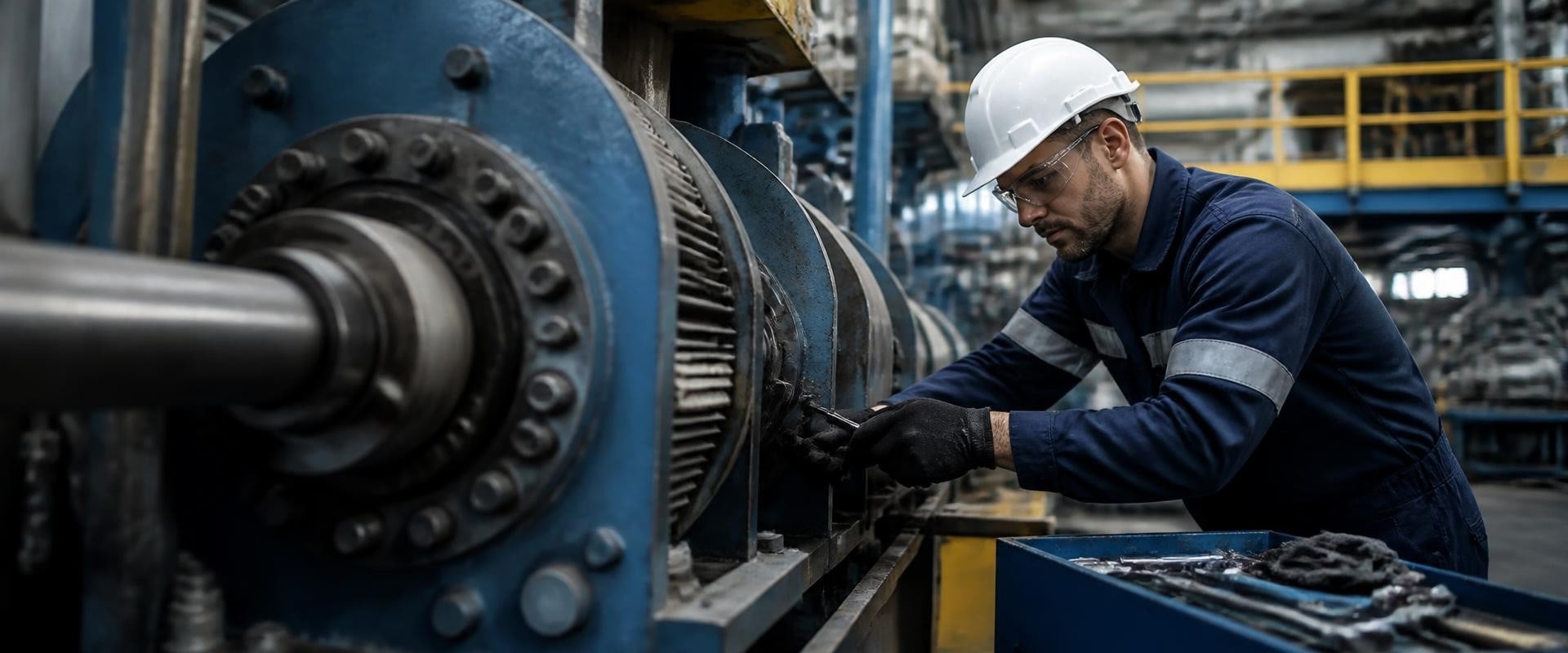
In the realm of industrial machinery services, understanding the intricacies of maintenance is crucial for optimizing performance and longevity. These services encompass a wide range of activities designed to ensure that machinery operates efficiently and safely. From routine inspections to comprehensive repairs, industrial machinery services play a pivotal role in various sectors, including manufacturing, construction, and logistics. By delving into what these services entail, we can appreciate their significance in maintaining operational excellence. At its core, industrial machinery services involve the systematic upkeep of equipment to prevent unexpected breakdowns and costly downtimes.
This includes not only regular maintenance tasks but also the implementation of advanced diagnostic techniques to identify potential issues before they escalate. Understanding these services allows businesses to make informed decisions about their machinery investments and operational strategies. Moreover, the benefits of engaging in regular maintenance extend beyond mere functionality; they encompass safety, efficiency, and cost-effectiveness. By prioritizing industrial machinery services, companies can enhance productivity while minimizing risks associated with equipment failure. As we explore the specific advantages of regular maintenance in subsequent sections, it becomes clear that a proactive approach to machinery care is not just beneficial—it's essential for sustaining competitive advantage in today's fast-paced industrial landscape.
The Importance of Regular Maintenance
Regular maintenance in industrial machinery services is not just a routine task; it is a critical component that ensures the smooth operation and longevity of equipment.The importance of regular maintenance cannot be overstated, as it directly impacts operational efficiency, safety, and cost-effectiveness. One of the primary benefits of maintenance is the prevention of unexpected breakdowns. Machinery that is regularly serviced is less likely to experience sudden failures, which can lead to costly downtime. By identifying and addressing potential issues before they escalate, businesses can maintain continuous production and avoid the financial repercussions associated with halted operations. Moreover, regular maintenance enhances the overall performance of industrial machinery. Well-maintained equipment operates more efficiently, consuming less energy and reducing operational costs.
This efficiency not only contributes to a healthier bottom line but also supports sustainability efforts by minimizing waste and energy consumption. Another significant aspect is safety. Industrial environments can be hazardous, and malfunctioning machinery poses risks to operators and other personnel. Regular maintenance ensures that safety features are functioning correctly and that equipment meets regulatory standards, thereby protecting workers and reducing liability for the company. In addition to these benefits, regular maintenance extends the lifespan of machinery. Equipment that receives consistent care is less likely to suffer from wear and tear, allowing businesses to maximize their investment over time.
This longevity means fewer replacements and lower capital expenditures in the long run. In conclusion, the importance of regular maintenance in industrial machinery services lies in its ability to prevent breakdowns, enhance performance, ensure safety, and extend equipment lifespan. By prioritizing maintenance, companies can achieve greater operational efficiency and ultimately drive profitability.
Cost Savings Through Preventive Maintenance
Regular maintenance in industrial machinery services is a crucial strategy for businesses aiming to achieve significant cost savings. By implementing a preventive maintenance schedule, companies can avoid the high costs associated with unexpected equipment failures and downtime.One of the primary benefits of preventive maintenance is its ability to identify potential issues before they escalate into major problems. This proactive approach allows for timely repairs, which can be significantly less expensive than emergency fixes.For instance, replacing a worn-out part during a scheduled maintenance check is often much cheaper than dealing with the aftermath of a complete machinery breakdown.
- Extended Equipment Life: Regular maintenance helps extend the lifespan of machinery. By keeping equipment in optimal condition, businesses can delay costly replacements and maximize their return on investment.
- Reduced Operational Costs: Well-maintained machinery operates more efficiently, leading to lower energy consumption and reduced operational costs. This efficiency translates into savings that can be reinvested into other areas of the business.
- Improved Safety: Regular checks ensure that machinery operates safely, reducing the risk of accidents that can lead to costly legal fees and insurance claims.
By adopting this approach, companies can secure their operational future while optimizing their financial performance.
Enhancing Safety and Compliance
Regular maintenance of industrial machinery services plays a crucial role in enhancing workplace safety and ensuring compliance with various industry regulations. By adhering to a structured maintenance schedule, organizations can significantly reduce the risk of accidents and injuries associated with machinery operation.Safety in Industrial Machinery
- Preventive Maintenance: Regular inspections and servicing help identify potential hazards before they escalate into serious issues. This proactive approach minimizes the likelihood of equipment failure, which can lead to dangerous situations for operators.
- Improved Equipment Reliability: Well-maintained machinery operates more efficiently and reliably, reducing the chances of unexpected breakdowns that could compromise safety.
- Employee Training: Regular maintenance often involves training employees on proper equipment use and safety protocols, fostering a culture of safety within the workplace.
Compliance Regulations
- Adhering to Standards: Many industries are governed by strict safety regulations. Regular maintenance ensures that machinery meets these standards, helping organizations avoid costly fines and legal repercussions.
- Documentation: Keeping detailed records of maintenance activities not only aids in compliance but also serves as evidence of due diligence in case of audits or inspections.
- Risk Management: Compliance with safety regulations through regular maintenance reduces liability risks associated with workplace accidents, protecting both employees and the organization.
By prioritizing maintenance, companies can safeguard their workforce while also protecting their bottom line.
Improving Efficiency and Productivity
Regular maintenance in industrial machinery services plays a crucial role in enhancing the efficiency and overall productivity of operations. When machinery is well-maintained, it operates at optimal performance levels, which directly translates to improved output and reduced operational costs.Efficiency in Machinery
- Preventive Maintenance: Implementing a preventive maintenance schedule helps identify potential issues before they escalate into major problems. This proactive approach minimizes unexpected breakdowns, ensuring that machinery runs smoothly.
- Energy Efficiency: Well-maintained equipment typically consumes less energy. Regular checks and adjustments can lead to significant savings on energy bills, contributing to a more sustainable operation.
- Enhanced Performance: Routine servicing ensures that all components are functioning correctly, which enhances the overall performance of the machinery.
This leads to faster production times and higher quality outputs.
Productivity Benefits of Maintenance
- Reduced Downtime: One of the most significant advantages of regular maintenance is the reduction in downtime. Scheduled maintenance allows for planned outages rather than unexpected failures, keeping production schedules on track.
- Increased Lifespan: Regular servicing extends the lifespan of machinery. By investing in maintenance, businesses can avoid costly replacements and ensure that their equipment remains productive for longer periods.
- Employee Morale: When machinery operates efficiently, employees can perform their tasks without interruptions. This leads to higher job satisfaction and morale among workers, further boosting productivity.
By ensuring that machinery is always in peak condition, businesses can achieve their production goals while minimizing costs and maximizing output.
Extending Equipment Lifespan
Regular maintenance in industrial machinery services plays a crucial role in extending equipment lifespan. By adhering to a consistent maintenance schedule, businesses can significantly enhance the longevity of their industrial equipment, reducing the likelihood of unexpected breakdowns and costly repairs.One of the primary benefits of regular maintenance is the early detection of potential issues. Routine inspections allow technicians to identify wear and tear before it escalates into a major problem. This proactive approach not only saves time but also minimizes downtime, ensuring that machinery operates at peak efficiency.Moreover, regular maintenance helps maintain optimal operating conditions.For instance, lubricating moving parts, replacing worn-out components, and calibrating machinery can prevent excessive strain on equipment. This not only enhances performance but also contributes to a longer operational life.
- Improved Reliability: Well-maintained machinery is less likely to fail unexpectedly, which is essential for maintaining production schedules.
- Cost Efficiency: Investing in regular maintenance can lead to significant savings by avoiding major repairs and extending the need for replacements.
- Enhanced Safety: Regular checks ensure that safety features are functioning correctly, protecting workers and reducing liability risks.
Common Maintenance Practices in Industrial Machinery Services
Regular maintenance is crucial in industrial machinery services to ensure optimal performance and longevity of equipment. Implementing common maintenance practices can significantly reduce downtime and repair costs while enhancing productivity.- Preventive Maintenance: This involves scheduled inspections and servicing of machinery to prevent unexpected failures.
Regular checks can identify potential issues before they escalate, allowing for timely interventions.
- Predictive Maintenance: Utilizing advanced technologies such as vibration analysis and thermal imaging, predictive maintenance assesses the condition of machinery in real-time. This data-driven approach helps in forecasting when maintenance should be performed, minimizing unnecessary service interruptions.
- Corrective Maintenance: This type of maintenance is performed after a machine has failed. While it is sometimes unavoidable, relying solely on corrective maintenance can lead to increased costs and operational inefficiencies.
- Lubrication: Ensuring that all moving parts are adequately lubricated reduces friction and wear, extending the life of the machinery.
- Cleaning: Regular cleaning prevents the buildup of dust and debris that can hinder performance and lead to overheating.
- Calibration: Regular calibration of machinery ensures that it operates within specified parameters, which is vital for maintaining product quality.
- Safety Inspections: Conducting safety inspections helps identify hazards and ensures compliance with industry regulations, protecting both workers and equipment.
FAQs About Industrial Machinery Maintenance
When it comes to industrial machinery services, many professionals have questions regarding maintenance practices.Here are some of the most frequently asked questions:
- What is the importance of regular maintenance?
Regular maintenance is crucial as it helps prevent unexpected breakdowns, extends the lifespan of machinery, and ensures optimal performance. By addressing minor issues before they escalate, companies can save on costly repairs and downtime. - How often should industrial machinery be serviced?
The frequency of servicing depends on the type of machinery and its usage. Generally, a routine check-up every 3 to 6 months is recommended, but high-use equipment may require monthly inspections. - What are the signs that machinery needs maintenance?
Common indicators include unusual noises, vibrations, decreased efficiency, and warning lights on control panels. If operators notice any of these signs, it’s essential to schedule maintenance immediately. - Can I perform maintenance myself?
While some basic maintenance tasks can be performed by trained personnel, it’s advisable to hire professionals for complex issues.Industrial machinery services providers have the expertise and tools necessary to conduct thorough inspections and repairs.
- What are the benefits of preventive maintenance?
Preventive maintenance helps in identifying potential problems before they lead to failures. This proactive approach not only reduces repair costs but also minimizes downtime, ensuring that production schedules remain uninterrupted.
Conclusion: The Long-Term Benefits of Regular Maintenance
In conclusion, the importance of regular maintenance in industrial machinery services cannot be overstated. As we have explored throughout this article, consistent upkeep not only enhances the performance and efficiency of machinery but also significantly extends its lifespan.By investing in routine maintenance, businesses can avoid costly breakdowns and unplanned downtime, which can disrupt operations and lead to substantial financial losses.Moreover, regular maintenance contributes to a safer working environment. Well-maintained machinery is less likely to malfunction, reducing the risk of accidents that could harm employees or damage equipment. This proactive approach not only safeguards personnel but also fosters a culture of safety within the organization.Additionally, adhering to a structured maintenance schedule can improve compliance with industry regulations and standards. Many sectors require strict adherence to safety and operational guidelines, and regular maintenance helps ensure that machinery meets these requirements.To summarize, the long-term benefits of regular maintenance in industrial machinery services include:
- Increased Efficiency: Regular checks and servicing keep machinery running at optimal levels.
- Cost Savings: Preventative maintenance reduces the likelihood of expensive repairs and replacements.
- Enhanced Safety: Well-maintained equipment minimizes risks associated with machinery failures.
- Regulatory Compliance: Regular maintenance helps meet industry standards and regulations.
By recognizing its value, businesses can ensure their machinery operates smoothly for years to come.