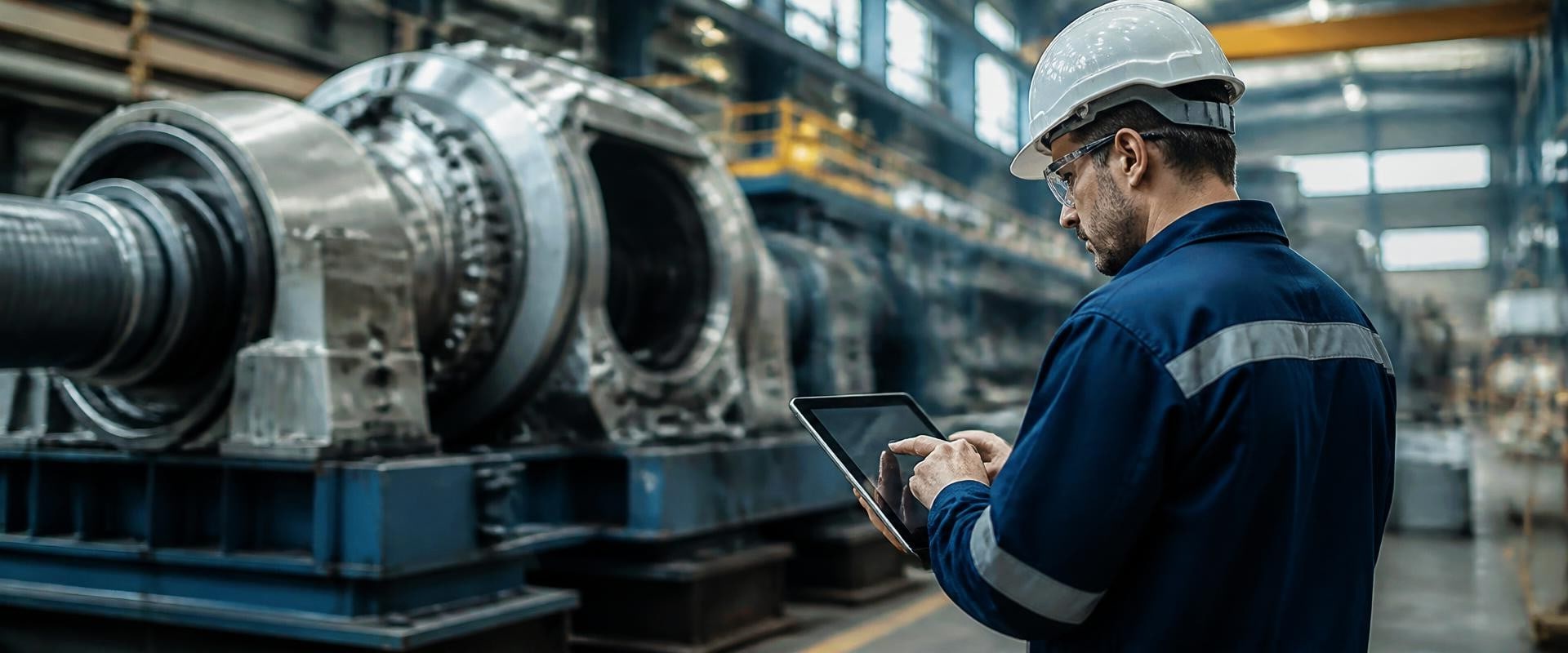
In the realm of modern manufacturing and production, industrial machinery services play a pivotal role in ensuring operational efficiency and reliability. These services encompass a wide range of activities, including maintenance, repair, and optimization of machinery used across various sectors such as construction, agriculture, and manufacturing. Understanding the scope of these services is essential for businesses aiming to enhance productivity and minimize downtime. The importance of industrial machinery services cannot be overstated. As industries evolve and demand for higher efficiency increases, the machinery that powers these operations must be maintained to the highest standards.
Regular servicing not only extends the lifespan of equipment but also ensures that it operates at peak performance. This is crucial in a competitive landscape where even minor delays can lead to significant financial losses. Moreover, with the advent of advanced technologies, the landscape of industrial machinery services is rapidly changing. Companies are increasingly leveraging innovative solutions to streamline their operations, reduce costs, and improve service delivery. This sets the stage for a deeper exploration into how technology is reshaping these essential services, making them more efficient and effective than ever before.
The Evolution of Technology in Industrial Machinery
The journey of technology in industrial machinery services has been marked by significant milestones that have transformed the industry.From the early days of manual labor to the sophisticated automated systems we see today, each advancement has played a crucial role in enhancing efficiency and productivity.In the late 18th century, the Industrial Revolution marked the beginning of mechanization. The introduction of steam engines and mechanized tools allowed for greater production capabilities. This era laid the groundwork for future innovations in industrial machinery.As we moved into the 20th century, the advent of electricity revolutionized machinery operations. Factories began to adopt electric motors, which not only improved efficiency but also reduced reliance on steam power.
This shift enabled more precise control over machinery, paving the way for modern manufacturing processes.The latter half of the 20th century saw the rise of computer technology. The integration of computers into industrial machinery services allowed for advanced data analysis and automation. Key developments included:
- CNC (Computer Numerical Control) Machines: These machines enabled precise cutting and shaping of materials, drastically improving production accuracy.
- Robotics: The introduction of robotic arms in assembly lines enhanced speed and consistency, reducing human error.
- IoT (Internet of Things): The connectivity of machines through IoT has allowed for real-time monitoring and predictive maintenance, minimizing downtime.
Each technological leap has not only improved operational efficiency but has also redefined how industries approach manufacturing and service delivery.
Types of Technologies Transforming Industrial Machinery Services
The landscape of industrial machinery services is rapidly evolving, driven by advancements in technology. Several key technologies are at the forefront of this transformation, enhancing efficiency, reliability, and overall performance.Automation
Automation plays a crucial role in modern industrial machinery services by streamlining operations and reducing human error. Automated systems can perform repetitive tasks with precision, allowing for increased productivity. For instance, robotic arms are now commonplace in manufacturing settings, handling everything from assembly to packaging.This not only speeds up production but also minimizes downtime associated with manual labor.
Internet of Things (IoT)
The Internet of Things (IoT) has revolutionized how machinery is monitored and maintained. By embedding sensors in industrial equipment, companies can collect real-time data on machine performance and health. This data enables predictive maintenance, where potential issues are identified before they lead to costly breakdowns. As a result, businesses can optimize their maintenance schedules and reduce operational costs significantly.Artificial Intelligence (AI)
Artificial Intelligence (AI) is another transformative technology in the realm of industrial machinery services.AI algorithms analyze vast amounts of data generated by machinery to identify patterns and make informed decisions. For example, AI can optimize production processes by adjusting parameters in real-time based on current conditions. This leads to improved efficiency and resource management.In summary, the integration of automation, IoT, and AI into industrial machinery services is not just a trend; it is a necessity for companies aiming to stay competitive in an increasingly digital world. Embracing these technologies allows businesses to enhance their operational capabilities and drive innovation.
Benefits of Technology in Industrial Machinery Services
In the realm of industrial machinery services, technology serves as a transformative force that enhances operational capabilities and drives significant improvements across various dimensions.The integration of advanced technologies not only streamlines processes but also introduces a plethora of benefits that are crucial for modern industrial operations.
Increased Efficiency
One of the most notable advantages of technology in industrial machinery services is the marked increase in efficiency. Automation and smart technologies enable machinery to operate at optimal levels, reducing downtime and maximizing productivity. For instance, predictive maintenance powered by IoT sensors allows for real-time monitoring of equipment health, enabling timely interventions before failures occur. This proactive approach minimizes disruptions and ensures that machinery operates smoothly.Cost Reduction
Implementing technology in industrial machinery services also leads to substantial cost savings.By automating routine tasks and optimizing resource allocation, companies can significantly reduce labor costs and minimize waste. Furthermore, advanced analytics can identify inefficiencies in production processes, allowing businesses to make data-driven decisions that enhance profitability. Over time, these savings can accumulate, providing a strong return on investment.
Enhanced Safety Measures
Safety is paramount in industrial settings, and technology plays a critical role in enhancing workplace safety. Modern machinery is equipped with advanced safety features such as automatic shut-off systems and real-time hazard detection.Additionally, training programs utilizing virtual reality (VR) simulations prepare workers for potential risks without exposing them to actual dangers. By prioritizing safety through technological advancements, companies not only protect their workforce but also reduce the likelihood of costly accidents.In conclusion, the benefits of technology in industrial machinery services are multifaceted, encompassing increased efficiency, significant cost reductions, and enhanced safety measures. As industries continue to evolve, embracing these technological advancements will be essential for maintaining competitiveness and ensuring sustainable growth.
Challenges and Considerations in Implementing Technology
Implementing new technologies in industrial machinery services presents a range of challenges that companies must navigate to ensure successful integration. Understanding these challenges is crucial for organizations aiming to enhance their operational efficiency and maintain a competitive edge.Cost Considerations
One of the primary barriers to adopting new technology is the initial investment required.The costs associated with purchasing advanced machinery, software, and necessary upgrades can be substantial. Additionally, companies must consider:
- Maintenance Costs: New technologies often come with ongoing maintenance expenses that can strain budgets.
- Downtime: Transitioning to new systems may lead to temporary disruptions in operations, impacting productivity and revenue.
Training and Skill Development
The introduction of advanced technologies necessitates a skilled workforce capable of operating and maintaining these systems. This requirement poses several challenges:- Training Programs: Companies must invest in comprehensive training programs to upskill existing employees, which can be time-consuming and costly.
- Talent Acquisition: There may be a shortage of qualified personnel familiar with the latest technologies, making recruitment a challenge.
Cultural Resistance
Another significant barrier is the potential resistance from employees who may be hesitant to embrace change. This resistance can stem from:- Fear of Job Loss: Employees may worry that automation will replace their roles, leading to pushback against new implementations.
- Lack of Understanding: Without clear communication about the benefits of new technologies, employees may not see the value in adopting them.
Engaging employees in the transition process and providing clear communication about the advantages of new technologies can help mitigate resistance and ensure smoother implementation.
Case Studies: Successful Integration of Technology in Industrial Machinery Services
In the realm of industrial machinery services, the integration of technology has led to transformative outcomes for various companies. Here are a few notable case studies that illustrate this trend:Case Study 1: Predictive Maintenance at XYZ Manufacturing
XYZ Manufacturing implemented a predictive maintenance system using IoT sensors on their machinery. By collecting real-time data on equipment performance, they were able to predict failures before they occurred. This proactive approach reduced downtime by 30% and saved the company approximately $500,000 annually in maintenance costs.Case Study 2: Automation in ABC Construction
ABC Construction adopted robotic automation for their heavy machinery operations.By integrating advanced robotics with their existing equipment, they improved operational efficiency by 40%. The automation not only sped up production but also enhanced safety by minimizing human error in hazardous environments.
Case Study 3: Remote Monitoring at DEF Logistics
DEF Logistics utilized cloud-based software for remote monitoring of their fleet of industrial machines. This technology allowed them to track machine performance and location in real-time, leading to better resource allocation and a 25% reduction in fuel costs. The ability to monitor equipment remotely also facilitated quicker response times for maintenance issues.Case Study 4: Data Analytics at GHI Energy
GHI Energy leveraged big data analytics to optimize their machinery services.By analyzing historical performance data, they identified patterns that led to improved scheduling and resource management. This resulted in a 15% increase in productivity and a significant reduction in operational costs.These case studies highlight how the strategic integration of technology into industrial machinery services can lead to substantial improvements in efficiency, cost savings, and overall operational effectiveness. As industries continue to evolve, embracing technological advancements will be crucial for maintaining competitive advantage.
Future Trends in Technology for Industrial Machinery Services
The landscape of industrial machinery services is rapidly evolving, driven by technological advancements that promise to reshape the industry. As we look to the future, several key trends are emerging that will significantly impact how services are delivered and optimized.1.Predictive Maintenance
One of the most significant trends is the rise of predictive maintenance.Utilizing advanced analytics and machine learning algorithms, companies can now predict equipment failures before they occur. This proactive approach not only minimizes downtime but also reduces maintenance costs, allowing businesses to allocate resources more efficiently.
2.Internet of Things (IoT)
The integration of the Internet of Things (IoT) into industrial machinery is another trend that is gaining momentum. By equipping machines with sensors that collect real-time data, companies can monitor performance and health metrics continuously. This data-driven approach enables more informed decision-making and enhances operational efficiency.3.Automation and Robotics
Automation technologies, including robotics, are set to play a crucial role in the future of industrial machinery services.Automated systems can perform repetitive tasks with precision and speed, reducing human error and increasing productivity. As these technologies become more sophisticated, their adoption will likely expand across various sectors.
4.Augmented Reality (AR) and Virtual Reality (VR)
Augmented Reality (AR) and Virtual Reality (VR) are also poised to transform training and maintenance processes in industrial settings. These technologies can provide immersive training experiences for technicians, allowing them to practice repairs in a virtual environment before working on actual machinery. This not only enhances skill development but also improves safety outcomes.5.Sustainability Initiatives
As industries face increasing pressure to adopt sustainable practices, technology will play a pivotal role in driving sustainability initiatives.Innovations such as energy-efficient machinery and waste reduction technologies will not only help companies comply with regulations but also appeal to environmentally conscious consumers.In conclusion, the future of industrial machinery services is bright, with technology at its core. By embracing these trends, companies can enhance their service offerings, improve operational efficiency, and stay competitive in an ever-evolving market.
FAQs about Technology in Industrial Machinery Services
As technology continues to evolve, many questions arise regarding its impact on industrial machinery services. Below are some frequently asked questions that shed light on this important topic.- How does technology improve maintenance in industrial machinery services?
Technology enhances maintenance through predictive analytics and IoT (Internet of Things) devices. These tools allow for real-time monitoring of machinery, enabling technicians to identify potential issues before they escalate into costly breakdowns. - What role does automation play in industrial machinery services?
Automation streamlines operations by reducing human error and increasing efficiency.Automated systems can perform routine tasks, allowing skilled workers to focus on more complex issues that require human intervention.
- Can technology help in training personnel for industrial machinery services?
Yes, advanced training programs utilizing virtual reality (VR) and augmented reality (AR) provide immersive learning experiences. These technologies allow trainees to practice on virtual machines, enhancing their skills without the risks associated with real equipment. - What are the benefits of using software solutions in industrial machinery services?
Software solutions facilitate better data management, scheduling, and reporting. They enable companies to track performance metrics and optimize workflows, ultimately leading to improved service delivery and reduced downtime. - How does technology contribute to safety in industrial machinery services?
Technology enhances safety through advanced monitoring systems that can detect hazardous conditions. Additionally, automated safety protocols can be implemented to minimize risks associated with human error.